

Filing U.S. taxes from abroad can feel overwhelming. Americans living overseas must navigate citizenship-based taxation, reporting requirements, foreign income exclusions, and credits — all while staying compliant with both U.S. law and the tax rules of their host country.
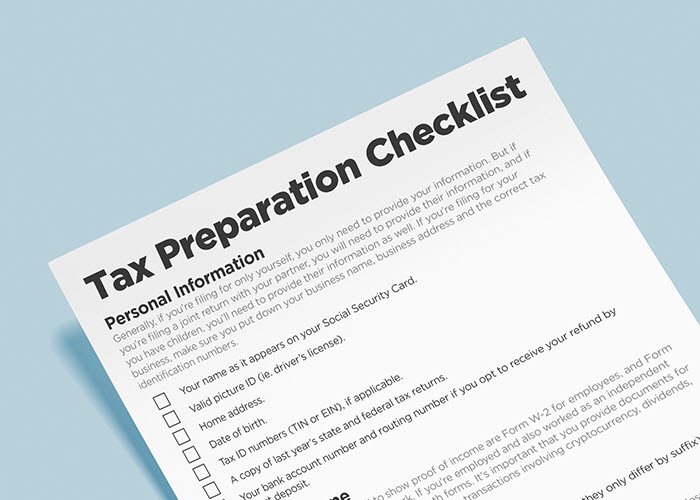
To simplify the process, here’s a comprehensive 2026 expat tax filing checklist to help you prepare, stay organized, and avoid costly mistakes.
Table of Contents
1. Gather Personal Information
Before starting your tax return, collect all key identification and residency information:
● Full Social Security Number (SSN) or Individual Taxpayer Identification Number (ITIN)
● Dates of birth for you, spouse, and dependents
● Foreign address and residency documentation
● Passport or visa copies if relevant for residency tests
2. Collect Income Documentation
Make sure to track all sources of income, both U.S.-sourced and foreign-sourced:
● Salary, wages, or self-employment income
● Bonus or commission statements
● Bank interest, dividends, and investment statements
● Rental property income abroad
● Capital gains from stocks, crypto, or real estate
● Foreign pensions or retirement accounts
Tip: Keep records of income in U.S. dollars using IRS-approved exchange rates.
3. Determine Eligibility for Exclusions and Credits
Foreign Earned Income Exclusion (FEIE)
● Check if you qualify via the Physical Presence Test (330+ days abroad in a
12-month period) or Bona Fide Residence Test (full-year residency abroad)
● For 2025/2026, the FEIE is roughly $135,000
Foreign Housing Exclusion
● Calculate housing expenses above the IRS base amount for your location
Foreign Tax Credit (FTC)
● Document foreign taxes paid to offset U.S. tax liability
● Retain official tax payment statements from local authorities
4. Identify Reporting Obligations
| Form | Requirement |
| FBAR (FinCEN 114) | File if aggregate foreign accounts exceed $10,000 at any point during the year |
| FATCA (Form 8938) | Report foreign financial assets above IRS thresholds |
| Form 5471 / 8865 /8621 | Ownership in foreign corporations, partnerships, or PFICs |
| Form 3520 / 3520-A | Foreign trusts, gifts, and inheritances |
| State tax forms | If you maintain U.S. state residency, state filings may still apply |
Tip: Deadlines for FBAR and FATCA may differ from regular tax deadlines.
5. Track Deductions and Credits
Eligible deductions can lower tax liability:
● Moving expenses for work (if qualified under IRS rules)
● Retirement contributions to U.S. accounts
● Charitable donations (U.S.-based)
● Education-related deductions or credits
● Child tax credit (if qualifying children and thresholds met)
6. Organize Supporting Documentation
Keep a folder of all supporting records:
● Pay stubs, contracts, or employment letters
● Foreign tax payment receipts
● Investment and bank statements
● Property ownership or rental agreements
● Currency conversion logs
● Prior year tax returns
Good record-keeping simplifies audits and amendments if needed.
7. Check Tax Treaty Benefits
● Review any tax treaties between the U.S. and your host country
● Identify benefits for pensions, social security, business income, and investments
● Document treaty claims properly on your return
8. Confirm Residency Status
● Determine if you qualify as a resident of the foreign country for tax purposes
● Assess implications for U.S. tax exclusions, credits, and reporting requirements
● Maintain proof of residency, days abroad, and travel for IRS records
9. Use Technology and Professionals
● Consider secure online portals for document submission
● Use specialized expat tax software or professional services
● Ensure your preparer has experience with expat filings and treaty claims
10. Meet Deadlines
● U.S. federal tax return: normally April 15, extended to June 15 for expats, with additional extensions available
● FBAR (FinCEN 114): April 15 with automatic extension to October 15
● Foreign tax filings: follow local host country deadlines
Tip: File early to avoid penalties, interest, and stress.
11. Plan for Next Year
● Track income and expenses throughout the year
● Monitor changes in FEIE, FTC, and other IRS thresholds
● Maintain organized records for multiple income streams
● Consider pre-planning for retirement, investments, and potential dual taxation
Final Word
US expat tax filing can be complex, but a structured approach makes it manageable. Using this 2026 expat tax filing checklist, you can:
● Ensure compliance with U.S. and foreign tax obligations
● Maximize exclusions and credits
● Avoid penalties for missed reporting
● Stay organized and stress-free
By preparing early and keeping detailed records, U.S. citizens living abroad can confidently navigate the 2026 tax filing season.