

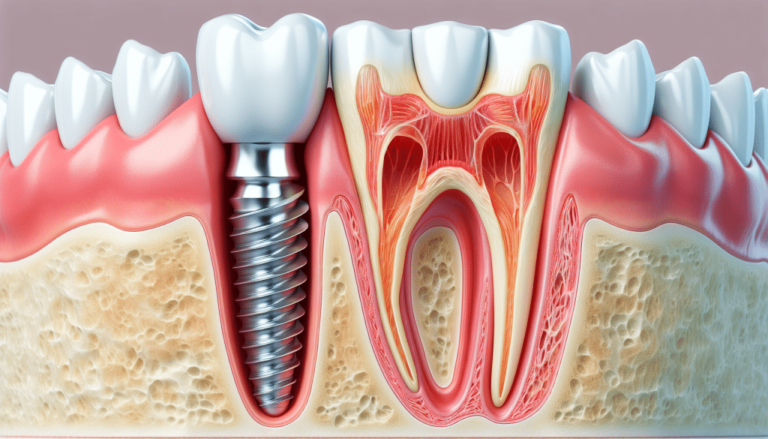
Dental implants used to feel scary. Long visits. Slow healing. Many unknowns. Today, the process looks very different. New tools and methods remove much of the pain, worry, and guesswork. You gain stronger teeth with fewer surprises. You also gain more control over your time, comfort, and cost. Grand Rapids dentists now use digital scans, smart planning, and gentle surgery that protect your mouth. They place implants with more accuracy and fewer steps. That means shorter appointments and faster healing for you. It also means fewer problems later. This blog explains four key advances that change how implants work for patients. You will see how these changes affect your choices, your recovery, and your daily life. You can then speak with your dentist with clear questions and steady confidence.
Table of Contents
1. Digital 3D Scans Replace Old Molds
In the past, you had to bite into thick trays filled with putty. You waited while the material set around your teeth. Many people gagged. Some felt trapped. Those molds also missed small details.
Now many clinics use digital 3D scans. A small camera glides over your teeth. It captures thousands of images in seconds. A computer then builds a clear 3D picture of your mouth.
This change gives you three strong gains.
- More comfort. No messy trays. No gagging.
- More accuracy. The 3D image shows tiny curves and spaces.
- Faster visits. The scan appears on the screen right away.
The dentist can zoom in and turn the image from every side. You can see what they see. That helps you understand the plan. It also helps your child or an older parent feel calmer. The process feels simple and clear.
2. Computer-Guided Planning Makes Surgery Safer
Implants last longer when the dentist places them in the right spot and at the right angle. In the past, this required guesswork and long training. Today ,computers support that skill with careful maps.
The dentist loads your 3D scan into planning software. The program shows your jawbone, nerves, and other roots. The dentist then chooses the best spot for each implant on the screen. They can test different angles and sizes before they touch your mouth.
Next, they may order a custom guide. This is a small plastic piece that fits over your teeth. It has tiny sleeves that show exactly where the drill should go. During surgery ,the guide keeps each step steady and repeatable.
This method gives you clear gains.
- Less risk of harm to nerves or sinus spaces
- Shorter time in the chair
- More predictable healing and bite strength
3. Same Day Teeth Reduce Waiting Time
Years ago, people often waited months between tooth removal, implant placement, and the final tooth. During that time, they wore a loose denture or had a gap. Speech, chewing, and self-respect all suffered.
Now, many patients can receive “same-day teeth.” In some cases, the dentist removes a tooth, places the implant, and adds a temporary crown in a single visit. You leave with something that looks like a real tooth. You still return later for the final crown, yet daily life stays easier.
Same-day teeth work well when three things are true.
- You have enough healthy bone
- Your gums are free from infection
- You can follow care instructions at home
Here is a simple comparison of older timelines and newer options.
| Step | Traditional Implant Timeline | Same Day Teeth Timeline |
|---|---|---|
| Tooth removal | Separate visit before implant | Often same visit as implant |
| Implant placement | 3 to 6 months after removal | Right after removal when safe |
| Temporary tooth | Denture or gap for months | Placed the same day |
| Final crown | 6 to 12 months after start | 3 to 6 months after start |
| Time with a visible gap | Weeks or months | Often none |
This faster path can feel intense. Clear talk with your dentist will help you know if your gums and bone can support it. Children and teens usually wait for implants until jaw growth is complete. In those cases, the dentist may suggest a short-term bridge or a retainer tooth instead.
4. Gentler Surgery and Smarter Healing Support
Modern tools cut less and protect more tissue. Many dentists use small drills that remove only the bone needed. Some use guided systems that reduce slips. Others use tools that rely on sound waves to shape bone with less harm to soft tissue.
These methods can lead to three clear gains.
- Less swelling
- Less bleeding
- Shorter healing time
Some offices also offer extra healing support. This can include special rinses that reduce germs or custom trays that protect the site while you sleep. Many teams now use plain talk and written checklists so you and your family know what to expect hour by hour after surgery.
Before your visit, prepare three key questions.
- How many implants of this type have you placed
- What should I expect the first three days
- Who do I call if pain or bleeding feels stronger than planned
Clear answers lower fear for you and your loved ones. They also help you act fast if something feels wrong.
Taking Your Next Step With Confidence
Implants no longer need to feel like a leap into the dark. Digital scans show a clear picture. Computer planning guides each move. Same-day teeth reduce waiting. Gentler surgery and better support ease your healing.
Your job is simple. Ask for explanations you can repeat in your own words. Bring a family member to listen. Write down the plan in three parts. Before surgery. During surgery. After surgery.
When you understand those three stages, you gain control. You protect your health. You also protect your peace of mind.


