

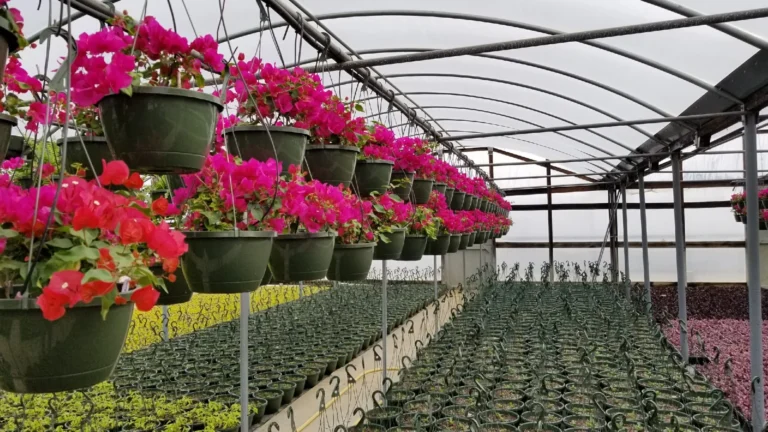
It has always been the dream of many gardening lovers to have healthy plants every time of the year. A greenhouse provides such an environment, but not all structures achieve it equally well. Not all sunny-side greenhouses are created equal, however, and some features help make an effective one. A gardener who knows these traits achieves uniformity every single time, regardless of outdoor climate conditions. Here we dive into five features that help a greenhouse thrive.
Table of Contents
1. Optimal Sunlight Exposure
The right amount of sunshine is still essential if you want it. A properly placed greenhouse receives the most light, especially in the winter. Additionally, orienting the longest side of the structure to face south allows the building to receive light throughout the day.
This placement minimizes shadowing and regulates temperatures. Clear panels seamlessly allow sunlight to enter the building. A steady input of sunshine strengthens the photosynthesis and productivity of its vegetation. Choosing a sunny side greenhouse for sale ensures reliable protection for plants while maximizing seasonal growth.
2. Efficient Ventilation System
Greenhouse temperature control is a task that is often faced with difficulty, especially in warmer weather. A good ventilation system solves that problem, supplying air while still controlling the heat. With or without side vents and louvers, roof vents serve to keep hot air from being stagnant in our tail end; instead, they allow for the hot air to be expelled and fresh airflow to come in.
Air circulation prevents fungal diseases and regulates humidity. The openings are adjustable so that gardeners can adapt them to suit the prevailing weather conditions and the growing tissues of their plants.
3. Reliable Insulation and Temperature Control
A plant world where everything flourishes requires an internal climate that remains unaffected by changing outdoor temperatures. Good insulation in walls and roof space prevents heat escaping in the cool of the night. They offer excellent thermal properties as well if you go for double-glazed or polycarbonate panels.
Climate control: Automated heating or cooling systems that respond to temperature changes, protecting young seedlings and mature crops. Keeping the winter warm and the summer cool keeps especially sensitive varieties from stress.
4. Durable and Weather-Resistant Construction
Over the course of the year, we experience many weather events that a greenhouse must endure. Sturdy frames of either rust-resistant metal or treated wood provide the structure. It should be impact-resistant, crafted to withstand UV rays, and moisture-resistant as well. Prevent wind damage from storms with secure anchoring.
Materials selected for durability minimize maintenance requirements and provide peace of mind. Plants. All you need to do with Greenhouse Systems is manage those plants and any equipment related to chemical fertilizers.
5. Convenient Access and Smart Layout
Actually, user-friendly features matter a lot for a satisfying experience in greenhouses. Most people can wheel their garden carts and other garden equipment to the big doors. Paths prevent compaction while clearing the use of the walkway between plant beds.
Moveable shelves and benches allow for additional space to plant and store tools. Group plants according to how they need to be cared for. This functionality reduces the burden of daily chores. We designed a smart layout to make the work done more productive and less painstaking.
Practical Benefits of These Features
All of these perks deliver real value to gardeners. Ample sun boosts healthy green leaves and abundant blooms. Proper aeration helps prevent pests and diseases, so it reduces the need for chemical controls. Good insulation conserves energy and cuts down on utility bills. Built to last, and you will not need to repair it often. Well-designed provides efficiency; mundane tasks become more pleasant and less time-consuming.
Supporting Sustainability and Resource Efficiency
Greenhouses today include many sustainable practices. Irrigation: They can be installed with rainwater collection systems to save water consumption. Fans and heaters powered by solar power reduce reliance on traditional energy sources.
Opting for sustainable materials reduces the ecological footprint. The gardeners can grow the food locally, so there will be less transportation, and the environment will be healthier, for sure. These practices are in accordance with more general objectives for resource conservation and gardening activities in a sustainable manner.
Conclusion
There are a few advantageous components in a sunny-side greenhouse that are critical in providing reliable results. The presence of sunlight exposure, ventilation, insulation, sturdy construction, and smart layout contributes to a thriving environment. These components create healthy growth, a sustainable operation, and long-lasting satisfaction. Gardeners with these elements at the center reap robust harvests and a satisfying season, no matter rain or shine.


