

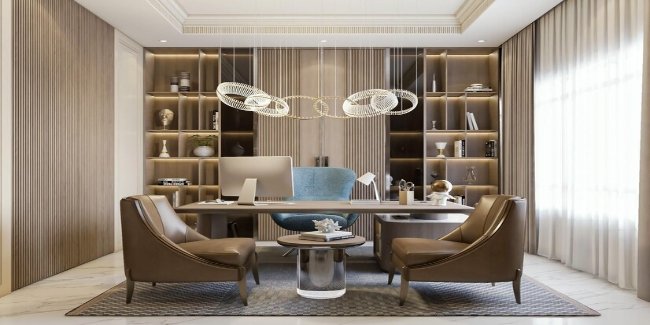
Anyone who manages an office business in Singapore will be quick to relate the many challenges that they face. It involves balancing efficiency, professionalism, and being adaptable in a fast-paced and highly competitive environment. Businesses must manage daily operations so that client expectations are met, support employees, and comply with local regulations to keep the authorities happy, all while controlling costs and assisting with budget control.
With the location being a global business hub, office-based operations are often expected to maintain high standards in both service and presentation. The office itself plays a big role in daily operations, acting as a workspace for employees, a meeting place for clients, and how a business is perceived. Limited space, rising rental costs, and changing work patterns are other things that need overcoming. Here are 5 excellent office interior design ideas Singapore can offer to a business.
- With office space in Singapore often being limited, flexible layouts are essential. Interior design can include movable partitions, modular furniture, and multi-purpose areas that serve different functions throughout the day. For example, a meeting room can double as a collaborative workspace, while open areas can be adapted for presentations or team discussions. This allows businesses to maximise space and adjust when more employees join, and work patterns change.
- Designing workstations with employee comfort in mind is crucial for productivity and well-being. Ergonomic chairs, adjustable desks, and well-planned desk layouts help reduce physical strain and fatigue. Good interior design also considers the spacing between workstations to avoid overcrowding, leading to a healthier environment. When employees are comfortable and offered effective training, they are more likely to stay focused, motivated, and healthy.
- Lighting plays a major role in office design, especially in improving concentration and reducing eye strain. Maximising natural light where possible and using well-planned artificial lighting creates a brighter and more welcoming environment. Colour schemes also matter, with neutral tones being able to create a calm atmosphere, while subtle options can go towards reflecting brand identity and add energy to an office space without offering any outside distraction.
- Modern offices need to support different types of work, which means interior design should include both collaborative spaces for teamwork and quiet zones for focused tasks. Meeting rooms, breakout areas, and informal seating, which encourage communication and increased productivity, while private rooms allow employees to concentrate. It helps reduce noise-related stress and improves overall efficiency, maybe while being involved in an investor program.
- A well-organised office supports smoother daily operations, with built-in storage, concealed cabinets, and efficient filing systems that help keep the workspace tidy and professional. Reduced clutter not only improves visual appeal but also makes it easier for employees to find documents and tools quickly. In locations such as Singapore, where space is valuable and rental is extremely expensive, smart storage solutions are especially important.
By focusing on flexible interior design layouts, employee comfort, effective lighting, balanced work zones, and smart storage, businesses can create offices that are functional, professional, and supportive.


