

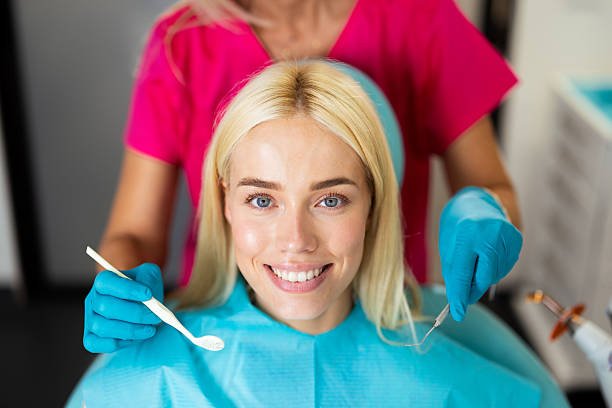
You brush and floss. You try to eat well. Yet plaque still hides in tight spots and stains slowly spread. Professional cleanings close that gap. They reach what you cannot touch at home and protect you from slow, silent damage. A trusted dentist in Santa Rosa uses simple tools and steady hands to clear hardened buildup, check your gums, and spot small problems before they grow. You sit in the chair for a short time. You gain protection that lasts for months. Regular cleanings cut your risk of tooth pain, gum infection, and sudden emergencies. They also support fresh breath and a clean smile that feels natural. This blog explains six clear benefits of professional cleanings in general dentistry. You will see how each visit supports your health, your comfort, and your peace of mind.
Table of Contents
1. Professional cleanings prevent cavities
Soft plaque forms every day. If it stays on your teeth, it hardens into tartar. You cannot remove tartar at home. It eats into tooth enamel and creates small holes that turn into cavities.
Professional cleanings remove both sticky plaque and hard tartar. That stops many cavities before they start. Cleanings also place fluoride or other simple treatments on your teeth when needed. That support makes enamel stronger.
During the visit, the dentist or hygienist also checks for early white spots or tiny grooves. Those signs warn of early decay. Early care is easier, faster, and less costly than fillings or crowns later.
2. Cleanings protect your gums and bone
Gum disease often starts without pain. Gums bleed a little when you brush. They look swollen. Food and bacteria slip under the gumline and sit there. Over time, this can destroy the bone that holds your teeth in place.
Professional cleanings clear that hidden buildup. The team measures your gums. They look for pockets around teeth that show early disease. They can also smooth root surfaces when needed so gums can tighten again.
The Centers for Disease Control and Prevention explains how common gum disease is and how cleanings help lower risk.
3. Regular visits catch problems early
Small problems turn into big ones when you do not see a dentist. A tiny crack grows. A shallow cavity reaches the nerve. A small sore on the tongue does not heal.
Professional cleanings always come with careful checks. The dentist looks at your teeth, gums, tongue, cheeks, and jaw. They may order simple X-rays on a set schedule. That plan helps uncover problems before you feel pain.
Early detection can mean you only need a small filling instead of a root canal. It can also help spot signs of oral cancer. The National Institute of Dental and Craniofacial Research offers clear facts about oral cancer at https://www.nidcr.nih.gov/health-info/oral-cancer.
4. Cleanings support your whole body health
Your mouth connects to the rest of your body. Bacteria from gum infection can enter the blood. That strain can affect the heart, blood sugar control, and pregnancy outcomes.
Professional cleanings lower the number of harmful bacteria in your mouth. They also reduce swelling in your gums. That lowers stress on your immune system.
Research links gum disease with heart disease and diabetes risk. Cleanings do not replace medical care. They do remove one steady source of body stress. That support can help you manage long-term conditions with more control.
5. Cleanings improve comfort, breath, and confidence
Hard tartar has rough edges. It traps food. It scrapes your tongue. It can cut your cheeks. That can make eating and brushing uncomfortable.
After a professional cleaning, teeth feel smooth. Food slides off more easily. Brushing feels easier. This helps you keep a cleaner mouth between visits.
Bad breath often comes from bacteria that sit on teeth and under the gums. Cleanings remove that buildup. They also clear stains from coffee, tea, and tobacco. The change in breath and smile can lift your confidence at work, at school, and at home.
6. Preventive care saves time and money
Many families worry about the cost of dental care. Cleanings may feel like one more bill. Yet they often prevent much larger costs.
A routine cleaning visit is short and simple. In contrast, treatment for advanced decay or gum disease may need several long visits. It may also require shots, root canals, extractions, or gum surgery. Those services cost more and interrupt school, work, and family plans.
Preventive care lets you plan ahead. You can schedule cleanings at times that work for your family. You lower the chance of midnight pain or emergency visits.
How professional cleanings compare to home care
Brushing and flossing matter every day. Professional care does not replace home care. It strengthens it. The table below shows how both work together.
| Type of care | Who does it | How often | What it removes | Key benefit |
|---|---|---|---|---|
| Brushing | You | Twice each day | Soft plaque on tooth surfaces | Lowers daily decay risk |
| Flossing | You | Once each day | Plaque and food between teeth | Protects gums between teeth |
| Professional cleaning | Dentist or hygienist | Every 6 to 12 months, or as advised | Hardened tartar and deep plaque | Prevents cavities and gum disease |
What to expect during a professional cleaning
Knowing what will happen can ease tension for you and your children. A typical visit follows three simple steps.
- Review. Staff ask about your health history and any new medicines. They ask about pain, bleeding, or other concerns.
- Cleaning. The hygienist removes plaque and tartar, then polishes your teeth. They may floss for you and apply fluoride if needed.
- Exam. The dentist checks your teeth, gums, and bite. They review X rays if taken and talk through any next steps.
You can expect clear answers to questions. You can also ask for short breaks during the cleaning if you feel tense.
How often you should get professional cleanings
Most healthy adults and children need cleanings every six months. Some people need them more often. That includes people who smoke, people with diabetes, people with a history of gum disease, or people who wear braces.
Your dentist will set a schedule based on your mouth and your health. You can support that plan with strong home care. Brush with fluoride toothpaste, floss daily, limit sugary drinks, and avoid tobacco.
Take the next step for your oral health
Professional cleanings are simple. They are also powerful. They protect your teeth, your gums, and your overall health. They lower the chance of sudden pain. They help you keep your natural teeth as long as possible.
If it has been more than six months since your last cleaning, schedule a visit. You deserve a clean, comfortable mouth and the peace of mind that comes with it.