

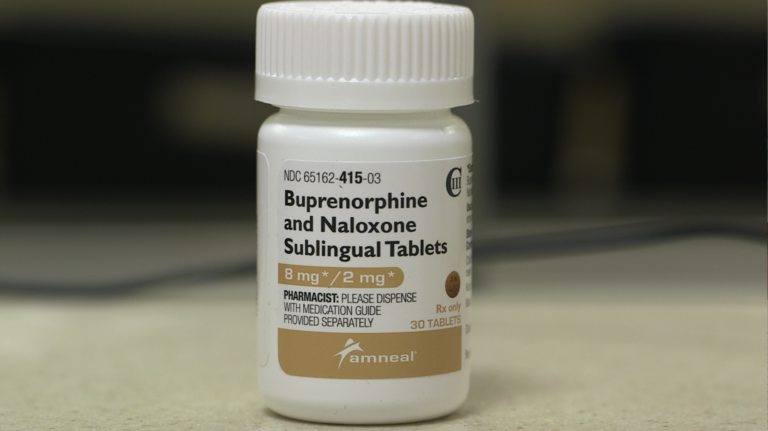
When someone enters recovery, every part of the process comes with questions, hope, and caution. Suboxone is one of the tools used to bring stability and reduce the physical strain of opioid withdrawal. People describe relief that helps them regain control of daily life, rebuild trust, and participate more fully in treatment.
At the same time, conversations about suboxone abuse remind us that even helpful medications must be monitored. Side effects exist, and knowing them ahead of time removes surprise and confusion. Being informed prepares patients and families to respond early, ask clear questions, and stay actively involved in the recovery journey.
Table of Contents
Common Physical Side Effects
Some patients experience headaches, nausea, or constipation after starting Suboxone. These reactions may appear early as the body adapts. Most are mild but still uncomfortable. Drinking water and following medical guidance can help reduce discomfort.
Fatigue may occur, especially during the adjustment period. Some people also report a dry mouth or sweating. These symptoms vary in intensity from person to person. Reporting persistent reactions supports better care.
Mood and Emotional Changes
Medication that affects the brain may alter mood. Some patients notice irritability or sudden mood shifts while taking Suboxone. Others may feel anxious or restless at times. Monitoring emotional changes can help avoid complications.
Support from counseling or therapy may help address emotional strain. Situations differ, and mental shifts may relate to both recovery and medication adjustment. Staying open with healthcare professionals builds stability. Emotional awareness supports long-term progress.
Impact on Sleep Patterns
Suboxone may affect sleep quality for certain users. Some struggle to fall asleep, while others report vivid dreams. Irregular sleep can influence mood and daily energy. Healthy routines may help improve sleep over time.
Oversleeping or daytime drowsiness may also appear. Fatigue creates challenges during recovery if left unaddressed. Communication about sleep issues helps providers make proper adjustments. Better rest supports both the body and mind.
Concerns About Suboxone Abuse
When used as prescribed, Suboxone supports recovery. The concern arises when misuse leads to dependency or attempts to alter the dosage without medical oversight. This falls under the category of suboxone abuse, which can increase physical and psychological risks. Misuse may also delay progress and compromise treatment goals.
Warning signs may include hiding medication use, searching for extra doses, or experiencing cravings for the medication itself. These behaviors should be addressed quickly. Providers can adjust treatment plans and offer additional support. Early response protects long-term recovery.
Interaction With Other Medications
Combining Suboxone with certain medications may cause complications. Sedatives and alcohol increase risk by slowing breathing and affecting coordination. Other prescriptions may alter how Suboxone performs in the body. This creates unexpected reactions.
Patients should discuss all medications with their provider. This includes vitamins, herbal supplements, and over-the-counter drugs. Transparency prevents harm. Careful planning ensures safety.
Long-Term Considerations
Long-term Suboxone use may come with gradual physical adaptation. Some people experience hormonal changes, reduced libido, or appetite shifts. These may appear slowly and require regular evaluation. Routine check-ins allow providers to monitor progress.
Stopping Suboxone without guidance may lead to withdrawal. A structured plan gives the body time to adjust. Recovery programs adapt based on individual response. Collaboration supports better outcomes.
Suboxone provides support to those recovering from opioid dependence, but awareness of side effects helps people use it responsibly. Physical, emotional, and behavioral changes should be communicated to medical providers. Addressing concerns early encourages safer use and stronger progress. With understanding and active participation, Suboxone can play a productive role in a structured treatment plan.


