

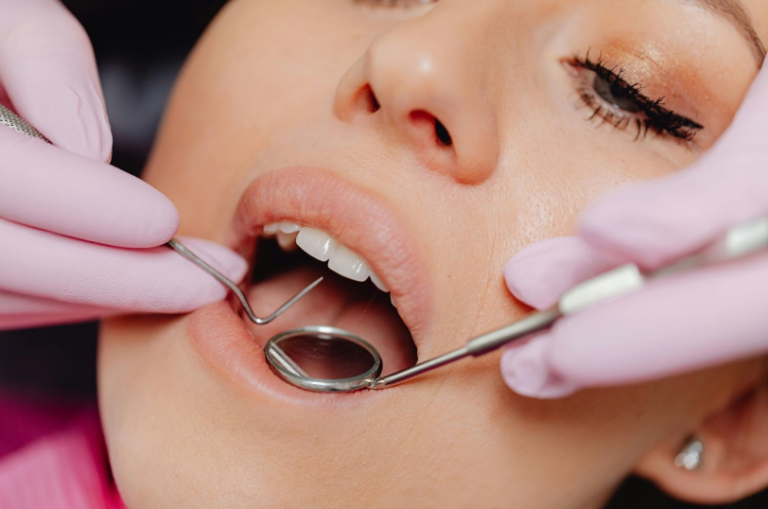
You work hard for your money. Costly dental treatment can drain it fast. Preventive dentistry protects both your mouth and your budget. When you brush, floss, and keep regular checkups, you catch problems early. Small cavities stay small. Gums stay firm. Infections do not spread. As a result, you avoid root canals, crowns, and extractions that can shock you at the front desk. You also avoid pain, time off work, and stress. A trusted dentist in Schaumburg can clean your teeth, check your gums, and spot trouble before it grows. Regular visits give you clear facts and simple steps. You get a plan that fits your life. This blog explains how routine care lowers risk, cuts costs, and keeps your smile steady.
Table of Contents
How Small Problems Turn Into Expensive Treatment
Tooth decay and gum disease start quiet. You may not feel anything. Yet plaque builds up. Bacteria feed on sugar and make acid. That acid eats away at enamel. A tiny cavity forms. If you skip cleanings, that small spot grows. It reaches the inner layer of the tooth. Nerves get exposed. You feel sharp pain. At that point, a simple filling may no longer help. You may need a root canal and a crown. That means more time, more money, and more stress.
Gum disease follows the same pattern. First your gums bleed when you brush. Then they pull away from the teeth. Pockets form. Bacteria move deeper. Bone support weakens. Teeth start to loosen. Without early treatment, you may face extractions and dentures. Early care is easier on your body and your bank account.
The Cost Difference Between Prevention And Treatment
Preventive visits are simple. A cleaning, exam, and X rays are quick. They help stop decay, gum disease, and infection before they spread. Treatment for late stage disease is complex. It often needs many visits and higher fees. The table below shows a rough comparison. Costs can vary by location and plan. The pattern stays the same. Prevention costs less than repair.
Typical Cost Ranges Per Person In The United States
| Type of Dental Service | Example Procedures | Estimated Cost Range | How Often |
|---|---|---|---|
| Preventive care | Cleaning, exam, routine X rays | $75 to $300 per visit | Once or twice a year |
| Basic treatment | Fillings for small cavities | $150 to $400 per tooth | As needed when decay is small |
| Major treatment | Root canal, crown, extraction | $1,000 to $3,000 per tooth | When decay or damage is severe |
| Tooth replacement | Implants, bridges, dentures | $1,500 to $5,000 per tooth or arch | After tooth loss |
One skipped checkup may feel cheap in the moment. Over time, that choice can lead to large bills. Preventive care keeps treatment simple and costs lower.
What Preventive Dentistry Includes
Preventive dentistry is not complex. It is a set of clear steps you follow at home and in the chair.
At home you can:
- Brush teeth twice a day with fluoride toothpaste
- Floss once a day to clean between teeth
- Drink water instead of sweet drinks most of the time
- Limit snacks with sugar or sticky foods
At the dental office you can:
- Schedule a cleaning and exam every six months or as advised
- Ask about fluoride treatments if you have frequent cavities
- Use sealants for children to protect back teeth
- Review X rays on a regular schedule to spot hidden decay
The Centers for Disease Control and Prevention reports that untreated cavities are common in both children and adults. Regular visits lower that risk. Simple steps now help you avoid deeper damage later.
How Prevention Protects Your Whole Health
Your mouth connects to the rest of your body. Gum disease links to heart disease, stroke, and diabetes problems. When you keep your teeth and gums clean, you lower inflammation. You also help control blood sugar and strain on the heart. You feel more energy. You eat more foods that need chewing. That supports good nutrition and stable weight.
The National Institute of Dental and Craniofacial Research shows that tooth loss rises with age. People who keep more teeth often have better diets and stronger social ties. Preventive care supports your ability to speak, smile, and enjoy meals with others. That reduces loneliness and fear. It protects both body and mind.
Why Children And Older Adults Need Extra Attention
Children, teens, and older adults face higher risk of costly problems.
For children and teens you can:
- Start dental visits by age one
- Use sealants on permanent molars when they come in
- Limit juice and sports drinks
- Teach brushing and flossing as part of bedtime
For older adults you can:
- Watch for dry mouth from medicine use
- Check that dentures fit and do not rub
- Schedule regular cleanings even with partials or implants
- Ask about fluoride rinses if cavities increase
These steps protect children from decay and protect older adults from tooth loss and infections that can spread.
How To Build A Simple Prevention Plan
You can start today with three clear moves.
- Set a reminder to brush and floss every day. Keep supplies in one place so the routine is easy.
- Call your dental office and schedule the next cleaning and exam. Put the date on a calendar you see often.
- Look at your daily drinks and snacks. Replace at least one sugary item with water or a low sugar option.
Then keep track of any tooth pain, bleeding gums, or broken fillings. Bring a short list of questions to each visit. Ask about your personal risk for decay and gum disease. Work with your dentist to adjust your plan. Small changes, done often, save teeth and money.
Conclusion: Prevention Gives You Control
Dental problems do not appear overnight. They grow step by step. Preventive dentistry stops that growth early. You spend less, feel less pain, and keep more teeth. You also protect your heart, your blood sugar, and your daily comfort. With regular home care and steady checkups, you stay in control. You choose early care instead of urgent fixes. That choice guards your health and your wallet for many years.


