

You live with your teeth every day, so small problems can feel easy to ignore. Then pain hits, or your gums bleed, and daily life turns harsh. Regular general dentistry visits stop that slide. Your dentist checks for early signs of cavities and gum disease before you feel them. Routine cleanings remove sticky plaque and hard tartar that brushing and flossing leave behind. Early X rays catch hidden decay between teeth. Careful exams spot swelling, redness, and deep pockets around gums. Each visit gives you simple steps you can use at home. You learn how to brush, floss, and eat in ways that protect your mouth. If you see a dentist in Downtown Phoenix or anywhere else, steady general care keeps your smile strong, your breath fresh, and your body safer from infection. You deserve a mouth that does not hurt.
Table of Contents
How Cavities And Gum Disease Start
Cavities and gum disease do not start with sudden pain. They start with plaque. Plaque is a thin film of germs that sticks to teeth and gums. It forms every day. When you eat or drink, the germs use sugar and starch to make acid. That acid attacks tooth enamel. Over time, the enamel weakens and a cavity forms.
Your gums also react to plaque. The germs irritate the soft tissue. Gums turn red, puffy, and bleed when you brush. This early stage is called gingivitis. If you ignore it, the infection moves deeper. Gums pull away from teeth. Bone starts to break down. Teeth loosen. This is periodontitis. At that point, you face harder treatment and higher cost.
You cannot see most of this with your eyes. You may feel fine while damage grows. That is why steady general dentistry matters.
What General Dentistry Does For Prevention
General dentistry focuses on three things that protect you.
- Routine checkups
- Professional cleanings
- Early treatment and guidance
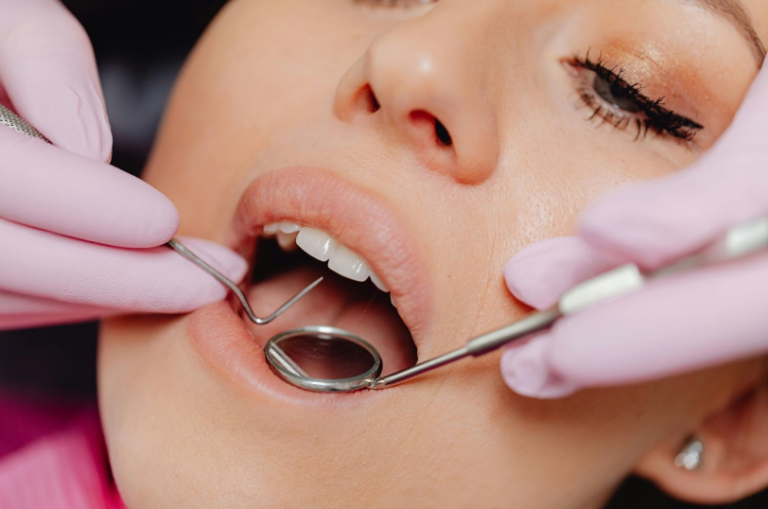
During a checkup, your dentist and hygienist look at every tooth and every part of your gums. They use mirrors, probes, and sometimes X rays. They search for soft spots, cracks, stains, pockets, and signs of grinding. They also look at your tongue, cheeks, and jaw for signs of other disease.
During a cleaning, the hygienist removes plaque and tartar. Tartar is hardened plaque that you cannot brush off. It traps more germs and stains. Removing it cuts your risk of cavities and gum disease.
Then you get advice that fits your mouth. You hear what to change at home. That might be a new brushing pattern, a different toothbrush, or a fluoride toothpaste. It might be a small change in snacks or drinks. Each step lowers your risk.
Home Care Alone Is Not Enough
You might brush and floss every day. That matters. It still does not replace general dentistry. Even strong home care misses spots. Back molars, tight spaces, and the gumline collect plaque. Tartar builds up in those places.
Studies show that professional cleanings and checkups cut tooth loss and gum disease. The Centers for Disease Control and Prevention explains how cavities and gum disease affect people of all ages and why regular dental visits help control them.
Home care and general dentistry work together. You need both.
How Often You Should See A General Dentist
Most people need a checkup and cleaning every six months. Some people need visits every three or four months. That includes people who smoke, have diabetes, are pregnant, or already have gum disease.
Your dentist will set a schedule based on three things.
- Your current gum health
- Your cavity history
- Your daily habits
Regular visits keep problems small. Waiting until something hurts often leads to root canals, extractions, or deep cleanings. Those take more time and money. They also bring more stress.
Comparing Prevention And Delayed Care
The table below shows a simple comparison between routine preventive care and waiting for pain before you act. Costs are rough examples. Your own costs depend on your coverage and your dentist.
| Type of Care | Typical Visit Frequency | Common Procedures | Estimated Cost Range per Visit (US) | Likely Long Term Outcome |
|---|---|---|---|---|
| Preventive general dentistry | Every 6 to 12 months | Exam, X rays as needed, cleaning, fluoride | $75 to $200 | Fewer cavities, less gum disease, fewer extractions |
| Delayed care only when in pain | Every few years or less | Fillings, root canals, deep cleanings, extractions | $200 to $2,000 or more | More tooth loss, higher cost, more time in treatment |
Prevention looks simple on paper. In real life, it protects your sleep, your diet, and your mood.
Why Gum Health Affects Your Whole Body
Your mouth is part of your body. Gum disease is an infection. It does not always stay put. Research links gum disease to heart disease, stroke, poor blood sugar control, and pregnancy problems. The American Dental Association shares guidance on how gum health connects with other health issues at MouthHealthy Gum Disease.
When your gums bleed, germs and toxins enter your blood. Your immune system works harder. Swelling in your gums can match swelling in other organs. Over time, this strain can weigh down your health.
General dentistry helps control that risk. Cleanings lower the number of germs. Exams catch trouble early so treatment stays small.
Helping Children And Older Adults
General dentistry supports every age in your home. Children need early visits to build trust and routine. First visits often start when the first tooth comes in or by the first birthday. Early checks catch weak enamel, early cavities, and thumb sucking issues. Fluoride treatments and sealants protect new molars.
Older adults face dry mouth from medicines, gum recession, and worn fillings. General dentistry helps manage these changes. Your dentist may suggest more frequent cleanings, saliva substitutes, or different brushing tools.
When you keep everyone on a steady schedule, you lower stress and surprise bills. You also show your children that caring for teeth is normal.
Simple Steps You Can Take Today
You can start prevention now with three steps.
- Brush twice a day with fluoride toothpaste for two minutes
- Floss once a day and clean along the gumline
- Schedule a general dentistry visit within the next six months
If it has been longer than a year since your last visit, say that when you call. The office will plan extra time. Bring a list of your medicines and your health history. Share any fear or past bad experiences. Your dental team can adjust the pace, take breaks, and explain each step.
General dentistry does more than fix teeth. It protects your comfort, your confidence, and your health. When you choose steady care, you choose fewer emergencies and less fear. You give yourself and your family a stronger, calmer future with every checkup.


