

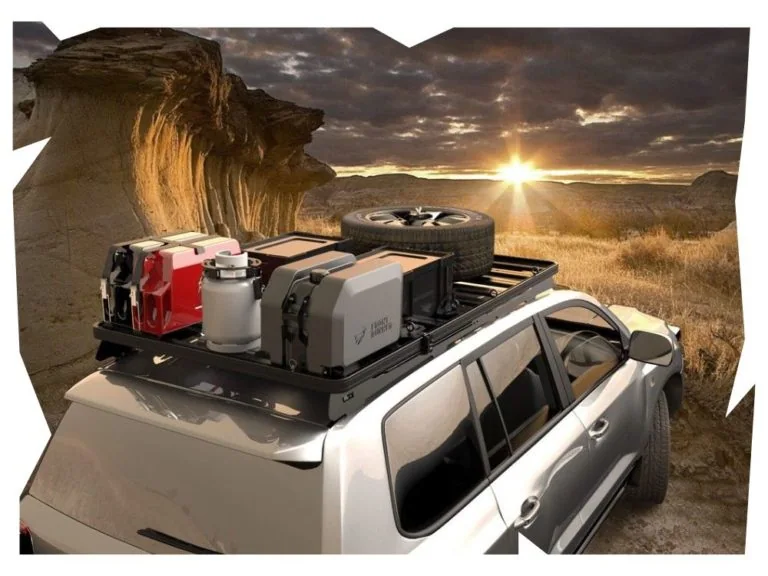
Packing for an off-road trip always sounds simple until everything ends up on the driveway. Tents, tools, food boxes, the odd luxury item you swear you will use. Space shrinks fast. Somewhere after the second failed game of boot Tetris, the idea of external storage starts to look appealing.
That is where a well-designed 4×4 roof rack earns its keep, not as an afterthought, but as a practical extension of the vehicle. It reshapes how you load up, how you move, and how relaxed the journey feels once the bitumen gives way to dirt.
Table of Contents
How A Roof Rack Changes The Way You Pack
The obvious benefit is extra room, but the real shift happens in how you think about gear placement. Moving bulky items out of the cabin clears sightlines and legroom, which matters more than people admit on long drives. Fewer loose items inside also means fewer distractions when the track gets rough.
There is also a psychological bonus. Knowing everything has a defined place reduces the rushed packing decisions that lead to clutter. Camp setup becomes faster, pack-down is less chaotic, and you stop digging for essentials because they are exactly where you planned them to be.
Practical Advantages Beyond Extra Carrying Space
A roof rack earns its value when it supports the way you travel, not just what you carry. Many systems allow you to mount awnings, water storage, or work lights without awkward brackets or improvised fixes. These additions make overnight stops smoother and reduce repeated lifting in awkward positions.
Accessibility is also very important. Gear you use often should be easy to reach without unloading half your setup. Lighter, less frequently used items belong higher up. That balance keeps the vehicle stable and your patience intact, especially at the end of a long day behind the wheel.
Finding A System That Matches Your Travel Style
No two trips look the same, and roof racks reflect that reality. Full-length options suit extended journeys with varied gear. Platform styles appeal to those who prefer flexibility and modular layouts. Neither is better by default. The right choice depends on how often you travel, how far you go, and what you refuse to leave behind.
Material selection should also be taken into account. Aluminium keeps weight down and handles harsh weather well. Steel brings strength and a reassuring sense of toughness for heavier loads. Both work. The difference lies in priorities, not marketing promises.
Knowing Load Limits And Staying Within Them
Every vehicle has roof load limits, and ignoring them is asking for trouble. The combined weight of the rack, accessories, and cargo adds up quickly. Handling changes, fuel use creeps higher, and in extreme cases, damage follows.
Static limits differ from driving limits, which surprises many owners. What works at camp does not always work at speed. Secure mounting, correct weight distribution, and regular checks should be routine, not optional extras.
Securing Gear Properly For Every Journey
Loose gear is a safety risk. Purpose-built mounts, quality straps, and sensible spacing make a difference when tracks turn corrugated or sudden stops happen. A quick walk-around check before setting off can prevent expensive mistakes later.
Legal requirements vary, but common sense travels well. If it can move, it needs restraint. And if it catches wind, it needs attention.
Accessories That Improve Use And Comfort
Modern roof racks are designed to evolve. Lighting mounts, storage boxes, and power management accessories allow gradual upgrades instead of complete overhauls. This modular approach suits changing travel habits and spreads costs over time.
Protective finishes are equally crucial. Dust, sun, and moisture take their toll. Regular cleaning and inspections extend service life and keep everything working as intended without fuss.
Final Thoughts
A roof rack works best when it reflects how you actually travel. Not the idealised version, but the early starts, the overpacked first day, the quiet pack-downs at camp. A considered setup reduces friction where it matters most, keeping gear secure, access straightforward, and driving dynamics predictable.
When storage decisions are made with purpose rather than habit, the vehicle feels better balanced, and the trip itself runs smoother.


