

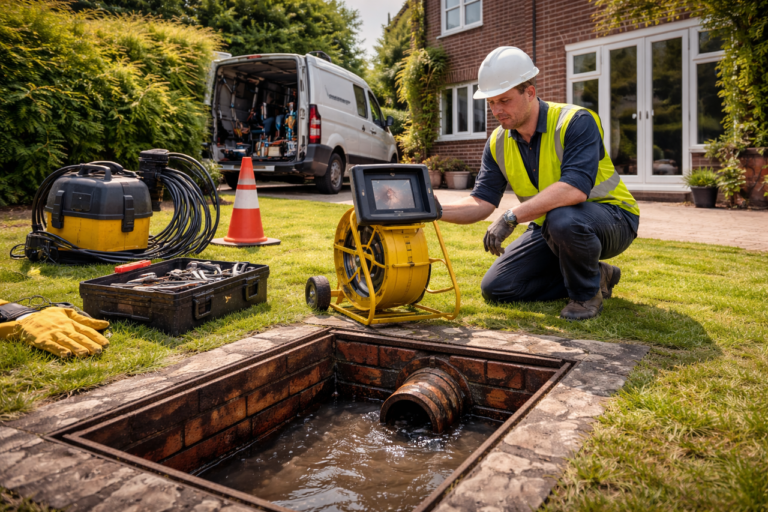
When assessing the value of a property, attention is usually focused on what can be seen and easily inspected – the condition of the building, the roof, internal finishes, heating systems and visible plumbing. These elements are obvious, familiar and widely understood by buyers, surveyors and sellers alike. Drainage, however, sits largely out of sight and is therefore frequently treated as an afterthought during the valuation process, even in areas where issues such as blocked drains Crawley are a well-known and recurring concern.
Because drainage systems are hidden below ground, problems often develop unnoticed for long periods of time. Pipes can crack, shift, partially collapse or become restricted without causing an immediate and obvious failure. Water may still appear to flow away, giving the impression that everything is functioning correctly, even though underlying defects are already placing stress on the system. By the time symptoms such as persistent damp, unpleasant odours or surface water pooling become visible, the issue is usually more advanced – and more costly to resolve.
This is particularly relevant in the UK, where a large proportion of properties are decades old and were built using materials and layouts that no longer reflect modern drainage demands. Dense urban development, shared drainage runs and limited access points can make faults harder to identify and repair. Combined with increasingly unpredictable weather patterns and heavier rainfall, even minor drainage weaknesses can have a disproportionate impact on a property’s condition and, ultimately, its market value.
For this reason, experienced drainage specialists such as DrainBoss regularly highlight the importance of understanding what is happening below ground, not just what is visible on the surface. With extensive experience working across older and modern properties alike, companies operating in this field see first-hand how overlooked drainage issues can undermine valuation, saleability and long-term asset protection.
As a result, drainage remains one of the most underestimated risk factors in property valuation – not because it is unimportant, but because it is rarely seen until something goes wrong.
Table of Contents
First Impressions Go Beyond What Buyers Can See
First impressions play a critical role in how a property is perceived, and they are not limited to visual appearance alone. Subtle indicators such as unpleasant odours, areas of persistent damp or signs of previous water ingress can quickly raise concerns, even if the property appears structurally sound. Slow-draining sinks, toilets or external gullies may seem like minor inconveniences, but to a prospective buyer they often signal deeper, underlying issues within the drainage system.
Buyers are increasingly cautious, particularly in a market where unexpected repair costs can significantly affect affordability. Even indirect signs of drainage problems tend to trigger doubt, as they suggest the presence of defects that may not yet be fully understood or disclosed. When something appears “not quite right”, confidence in the property as a whole can begin to erode.
Common warning signs that negatively influence buyer perception include:
- Persistent or unexplained odours inside or outside the property
- Damp patches on walls, floors or external brickwork
- Evidence of past flooding or water staining
- Slow or inconsistent drainage from sinks, baths or toilets
- Standing water around external drains or inspection covers
From a psychological standpoint, buyers often associate hidden drainage issues with hidden costs. If problems are not immediately visible or clearly explained, they are assumed to be complex, disruptive and expensive to fix. This uncertainty can lead buyers to question the true condition of the property, reduce their offer, or walk away altogether – even before formal surveys are carried out.
In many cases, it is not the confirmed presence of a defect that deters buyers, but the fear of what might be discovered once the purchase is underway.
Typical Problems Found During Property Checks
During property inspections, drainage issues are often uncovered that have a direct impact on value, even if the system appears to be functioning on the surface. Many of the most damaging defects develop gradually and do not cause an immediate or total failure, which is why they are frequently missed during basic visual checks.
Below are some of the most common drainage problems identified during property assessments and surveys:
| Drainage Issue | Description | Impact on Property Value |
| Partial blockages and recurring drainage issues | Build-ups of waste, debris or scale that restrict flow without fully blocking the pipe | Ongoing maintenance concerns, reduced buyer confidence, risk of future failure |
| Cracked, displaced or collapsed pipework | Structural damage caused by age, ground movement or external pressure | High repair costs, potential excavation work, negotiation leverage for buyers |
| Poor surface water drainage around the property | Inadequate removal of rainwater leading to pooling near walls or foundations | Increased risk of damp, water ingress and long-term structural damage |
| Inadequate capacity for modern water usage | Older drainage systems not designed for current household demand | Higher likelihood of blockages, upgrades required, reduced suitability for modern living |
What makes these issues particularly problematic is that many are not immediately obvious. Water may still drain away, and visible signs may be minimal or inconsistent. Without proper diagnostic checks, defects can remain hidden until they are identified during a buyer’s survey or, worse, after a transaction has already progressed.
As a result, drainage problems are often discovered at the most inconvenient stage of the buying or selling process, when they have the greatest influence on price negotiations and buyer confidence.
How Drain Defects Translate Into Lower Offers
Drainage problems rarely remain a purely technical issue – they almost always become a financial one. Once defects are identified, they can significantly influence negotiations and alter the perceived value of a property. Even when issues are described as “minor”, buyers tend to approach drainage defects with caution due to the uncertainty surrounding repair scope and cost.
In many cases, poor drainage leads directly to a reduction in the agreed purchase price. Buyers will often use identified defects as leverage during negotiations, adjusting their offer to reflect the perceived risk and potential disruption involved in rectifying the problem. Where uncertainty exists, the price reduction is rarely limited to the estimated repair cost alone.
The financial consequences commonly include:
- Reduced offers during negotiations, often exceeding the actual cost of repair to account for inconvenience and risk
- Retentions or conditional agreements, where part of the purchase price is withheld until issues are resolved
- Unexpected post-purchase expenses, particularly when hidden defects worsen after completion
- Additional survey and investigation costs, triggered by initial drainage concerns
Buyers typically apply a “risk factor” when drainage problems are identified. This means pricing in not only the visible defect, but also the possibility of further hidden issues, access difficulties and extended repair times. From a buyer’s perspective, uncertainty is costly, and that uncertainty is reflected in the final offer.
As a result, even relatively contained drainage issues can have a disproportionate impact on property value, particularly when they are discovered late in the transaction process or poorly explained.
How Drain Problems Can Delay or Disrupt a Sale
Drainage problems often have their greatest impact not at the point of marketing, but during the later stages of a property transaction. Once surveys are completed and detailed questions are raised, previously hidden drainage defects can quickly become a stumbling block, slowing progress or bringing negotiations to a halt altogether.
In the UK property market, buyers and surveyors tend to take a cautious approach when it comes to below-ground risks. If drainage concerns are identified, they are rarely ignored or downplayed. Instead, they often trigger further investigation and reassessment of the deal.
Common transactional issues linked to drainage defects include:
- Withdrawals at late stages of the sale, after surveys reveal previously unknown problems
- Requests for additional inspections or specialist surveys, increasing both time and cost
- Renegotiation of price or contract terms, based on newly identified risks
- Delays caused by uncertainty, while responsibility for repairs is debated between buyer and seller
UK surveyors are particularly mindful of drainage due to the age of much of the housing stock and the potential for shared or poorly documented systems. Where defects are identified but not fully understood, survey reports often recommend further investigation before proceeding – advice that buyers are increasingly inclined to follow.
As a result, unresolved drainage issues can introduce uncertainty into an otherwise straightforward transaction, making sales more fragile and increasing the likelihood of delays, renegotiations or failed deals.
Why Early Assessment Makes a Difference
Early drainage inspections play a crucial role in protecting property value by identifying issues before they escalate into costly or disruptive problems. Unlike visual checks alone, modern diagnostic methods allow below-ground systems to be assessed accurately, providing clarity where assumptions would otherwise be made.
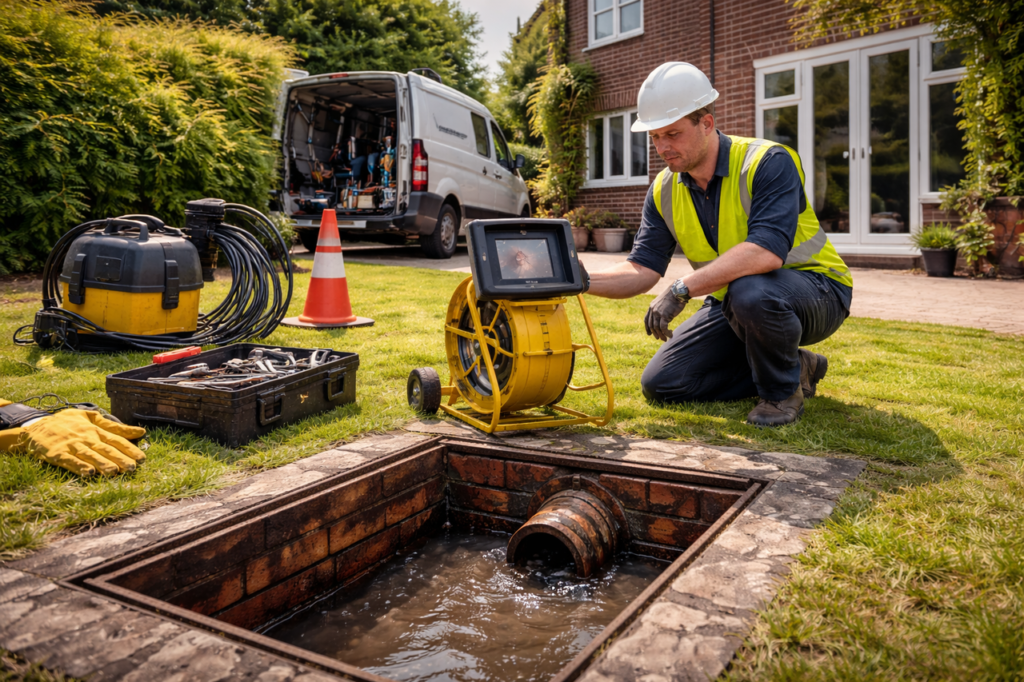
CCTV drain surveys and visual diagnostics involve the use of specialised cameras to inspect the internal condition of pipework, joints and connections. This approach makes it possible to identify defects such as cracks, misalignments, partial blockages and structural weaknesses that would remain hidden during a standard property inspection. Importantly, these surveys provide documented evidence of a system’s condition, rather than relying on surface-level observations.
When carried out at the right time, drainage inspections can offer several key benefits:
- Identifying problems early, while they are still manageable and less expensive to resolve
- Avoiding unexpected findings later in the transaction, which can undermine buyer confidence
- Maintaining a stronger negotiating position for the seller, supported by clear, factual information
- Reducing the likelihood of delays, caused by last-minute requests for further investigation
By addressing drainage concerns proactively, property owners are better equipped to control the narrative around their asset. Clear inspection results help remove uncertainty, reassure buyers and surveyors, and demonstrate responsible ownership. In many cases, the presence of a recent inspection can prevent minor defects from becoming major obstacles during a sale.
From Minor Defects to Structural Damage
Drainage issues that appear minor at first rarely remain that way. When defects are left unaddressed, they tend to worsen gradually, allowing water to affect areas of a property that were never designed to cope with prolonged moisture exposure. Over time, this can lead to damage that extends well beyond the drainage system itself.
One of the most serious long-term risks is the undermining of foundations. Poor drainage can allow water to accumulate in the surrounding ground, softening soil and increasing the likelihood of movement or settlement. Even small, repeated leaks or overflows can contribute to gradual erosion, placing stress on structural elements and increasing the risk of subsidence.
Ongoing drainage problems also contribute to elevated moisture levels within and around the property. Persistent damp can affect walls, floors and external masonry, creating conditions that encourage deterioration and long-term damage. In many cases, the visible effects appear far from the original drainage fault, making the root cause harder to identify without proper investigation.
As these issues progress, the cost of repair tends to rise significantly. What could have been resolved through targeted maintenance or minor remedial work may eventually require extensive repairs, excavation or structural intervention. This escalation reinforces a key reality of drainage maintenance: small problems rarely stay small, and delaying action often leads to more complex and expensive outcomes.
Drainage as Part of Responsible Property Ownership
Proper drainage maintenance is an essential part of responsible property ownership and plays a direct role in preserving long-term value. While drainage systems are often overlooked until a problem arises, regular attention helps ensure they continue to function effectively and without disruption.
Routine inspections allow early signs of wear, restriction or damage to be identified before they escalate. When combined with preventative maintenance, such as clearing build-ups and addressing minor defects, these checks reduce the likelihood of sudden failures and unexpected repair costs. Properties with well-maintained drainage systems are less likely to experience issues that could concern buyers or surveyors during a transaction.
Responding quickly to early warning signs is equally important. Slow drainage, unusual odours or surface water pooling may seem minor, but addressing them promptly helps prevent more serious damage and avoids the accumulation of long-term risk. Early intervention is typically simpler, less disruptive and more cost-effective than reactive repairs.
Well-maintained drainage should be viewed as an investment rather than an expense. By reducing risk, preventing damage and supporting smoother property transactions, proactive drainage care helps protect both the physical condition of the property and its market appeal. In the long run, this approach supports stronger valuations and greater confidence from potential buyers.
Poor Drainage Can Undermine Property Value – But It’s Preventable
Poor drainage presents a combination of risks that can quietly undermine a property’s value over time. From reduced buyer confidence and lower offers to delayed transactions and escalating repair costs, the impact is often far greater than many property owners expect. Drainage issues affect not only the physical condition of a building, but also its value, liquidity and overall market appeal. In a competitive UK property market, even minor uncertainty around below-ground systems can be enough to shift buyer decisions or weaken negotiating positions.
The good news is that most drainage-related risks are preventable. Making drainage a priority – through regular checks, early investigation and responsible maintenance – allows issues to be managed before they affect saleability or long-term performance. This approach is particularly relevant in areas with older housing stock and complex drainage layouts, where problems such as blocked drains Redhill and similar locations are more common due to ageing infrastructure and shared systems.
Across the South and South East of England, experienced drainage specialists such as DrainBoss Plumbing & Drainage support homeowners, landlords and businesses by identifying and resolving drainage issues before they escalate. With a strong focus on diagnostics, maintenance and repair, companies operating at this level help property owners protect their assets and make informed decisions. Ultimately, including drainage in the list of priority checks is a sensible and proactive step for anyone looking to preserve property value in the UK.


