

The restaurant industry now faces its most intense competitive environment because food cannot secure consumer loyalty like it used to. Today, diners prefer to visit restaurants because of their dining experiences, which depend on their interior design elements.
The design of a space determines guest experiences from their initial encounter to their subsequent visit because it creates specific emotional states that affect their duration of stay and return visits. Restaurant owners and hospitality brands need to follow commercial interior design trends because it provides essential knowledge for their business operations.
Restaurants today design their dining areas through a combination of aesthetic elements, practical uses, sustainable practices, and technological innovations. The article examines current interior design patterns that restaurants use to create modern dining environments through their new interior design methods and their dedication to strategic space planning.
Table of Contents
Why Commercial Interior Designing Is Important for Restaurants?
The importance of commercial interior design in restaurants needs to be understood. The restaurant interior functions as an unspoken representative of its brand identity. The customers first experience the restaurant space before they begin to taste the food. A restaurant space with good interior design establishes customer expectations while it shows the business’s quality, its core values, and its unique identity.
The interior design of commercial restaurants creates strong advantages that help businesses to succeed. The design establishes a powerful first impression that customers will remember. The design serves to improve customer comfort while providing them with better ways to find their way through the space. The design increases customer stay length, which leads to more customers returning. The design process establishes better brand awareness for the business. The design process enables staff members to execute their work without interruptions.
Visual design has become essential for competing in today’s social media-driven environment, which uses visual storytelling.
1. Modern Commercial Interiors That Feel Warm and Inviting
The primary trend in commercial interior design today shows how modern design systems have developed over time. Restaurants today use warm design elements to create contemporary spaces that show their modern aesthetic.
The main features of contemporary commercial spaces include
- Architectural lines that maintain their straight form, while designers use different materials to create texture
- Designers use neutral color schemes, which they combine with bright color accents.
- Designers create modern spaces through their use of comfortable seating arrangements.
- The design creates an environment that maintains a high-end appearance while remaining accessible to all visitors.
2. Social Media-Friendly Interior Design
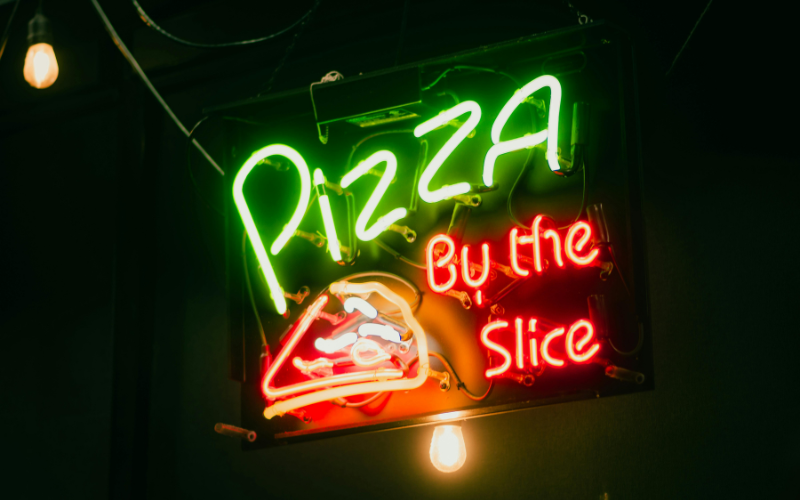
Restaurants design their interior spaces to create Instagram-friendly dining areas during the digital age. Customers who share their photos and videos from visually appealing spaces provide restaurants with free advertising.
Social media-friendly design elements include:
- Unique wall textures or murals
- Creative lighting installations
- Branded elements like bar and cafe neon signs
The features provide two advantages to businesses by enhancing their online visibility and expanding their brand presence.
3. Flexible Layouts and Multi-Purpose Spaces
The current design trends for commercial spaces establish flexibility as their primary element. The design of restaurants requires multiple functions because their spaces need to change throughout daily operations.
The following elements demonstrate flexible design:
- The design features modular furniture elements that users can move to different positions.
- The design includes open spaces that accommodate both individual customers and group activities and special events.
- The design includes café areas that convert to bar spaces during nighttime hours.
The system enables restaurants to use space effectively while responding to customer needs as those needs evolve.
4. Biophilic Design and Natural Integration
Biophilic design continues to shape modern commercial interiors, particularly in restaurants focused on wellness and sustainability. The design approach establishes a relationship between people and natural environments.
Popular biophilic elements:
- Indoor plants and living green walls
- Natural wood, stone, and organic textures
- Large windows that bring in natural light
The features create spaces that decrease stress and enhance mood while providing guests with areas to relax and restore their energy levels.
5. Design Sustainability
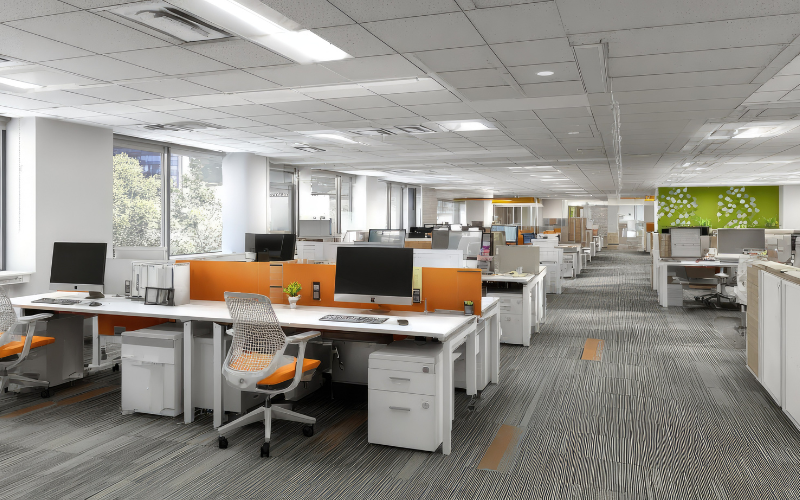
Eco-consciousness is no longer a trend—it’s an expectation. Commercial interior design trends of today concentrate on two main themes, which are sustainable design practices and responsible selection of materials.
The following design methods achieve sustainability:
- Designers use reclaimed wood and recycled materials in their projects.
- Designers use energy-efficient LED lighting systems.
- Designers use low-VOC paints and eco-friendly finishes in their work.
Sustainable interiors provide environmental advantages, but they also attract modern consumers who prefer to support ethical brands.
6. Bold Branding Through Statement Features
Restaurants now use their interior spaces to create brand identities that customers can experience throughout the entire dining facility. The restaurant establishes its brand identity through every element, from wall surfaces to lighting fixtures.
The trend of using neon signs from bars and cafes as decorative elements has become a popular design choice. These illuminated elements:
- Highlight brand names or slogans
- Create strong visual focal points
- Encourage social media sharing
The use of bold branding elements allows restaurants to establish immediate brand recognition, which helps them compete in crowded markets.
7. Industrial and Urban Design Influences
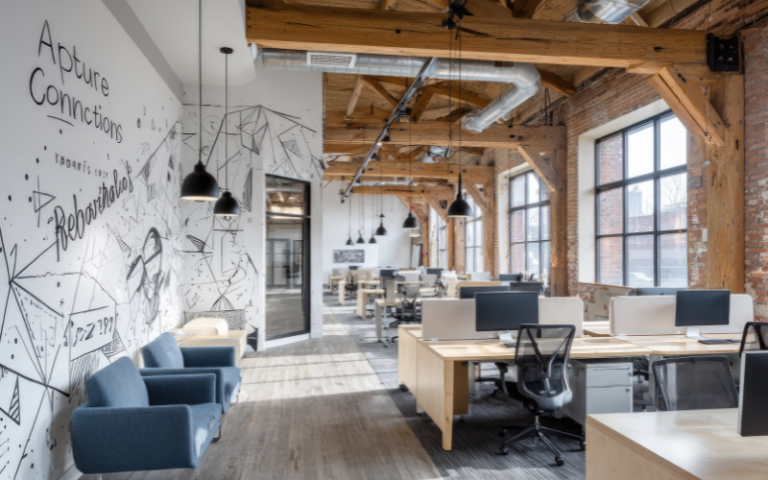
The present design trends for commercial spaces in urban areas still showcase industrial aesthetics as their primary design element. The style exists to showcase its unrefined materials together with its architectural design elements.
Common industrial design features:
- The design includes exposed brick together with concrete and steel elements.
- The design features open ceilings, which show all ductwork.
- The design includes minimalist furniture that uses metal design elements.
Dining restaurants, cafés, and bars use industrial interiors to create a modern dining environment, which includes an edgy atmosphere.
8. Technology-Integrated Commercial Spaces
Interior design for commercial restaurants now requires technology as an essential element. The challenge is to achieve seamless integration of technology without creating any visual disruptions.
The design incorporates technology through the following elements, which include:
- Digital menu boards and self-order kiosks
- Smart lighting and climate control systems
- Integrated sound and charging stations
The implementation of technology through careful planning leads to improved operational performance and better customer service delivery.
9. Lighting as a Central Design Element
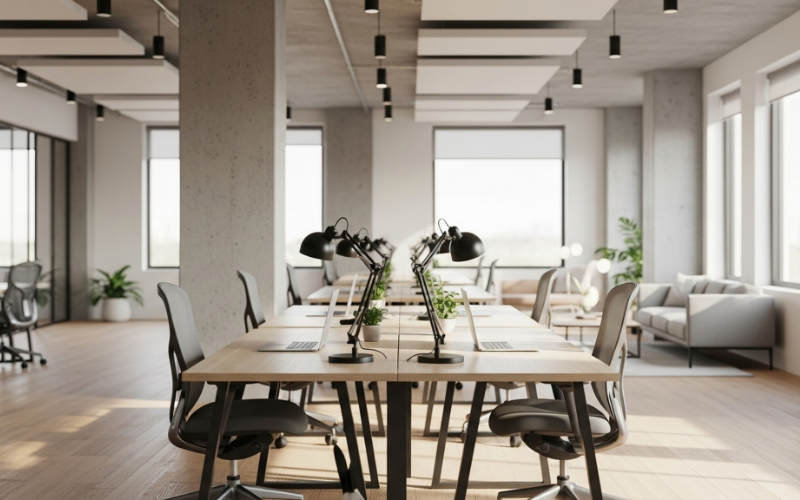
Designers use lighting design now to create their essential design elements, which define their work. The current commercial interior design field follows two main trends, which showcase multiple light sources combined with decorative light fixtures.
Modern lighting approaches include:
- The design system uses ambient lighting to create spaces that provide comfort to users.
- The design system uses task lighting to illuminate service areas and preparation spaces.
- The design system uses accent lighting to create visual focus on decorative elements and architectural features.
Lighting creates specific emotional states through its effects on different materials, while it serves as a crucial element for corporate brand storytelling.
10. Local Identity and Cultural Storytelling
Restaurants use local cultural elements to create authentic restaurant designs. This trend creates genuine restaurant spaces that build emotional connections with diners.
Ways to incorporate local influence:
- Local artists create artwork that restaurants display in their establishments.
- Restaurants use materials and colors that represent regional design elements.
- Design narratives that connect to local historical events.
Cultural storytelling helps restaurants form deeper connections with their communities and guests.
11. Comfort-Focused and Ergonomic Design
The current trends in commercial interior design use customer comfort as their primary design principle. Physically comfortable spaces increase guest retention because guests will stay longer.
The design elements that support comfort include the following features:
- Ergonomic chairs and cushioned seating
- Proper table spacing for privacy
- The use of soundproofing solutions that reduce disruptive sounds
The design of comfort-centered spaces creates a visual appeal that maintains their practical value, thus enabling visitors to experience positive moments throughout their time at the facilities.
12. Open Kitchens and Experiential Dining
Open kitchens have become a hallmark of experiential dining and modern commercial space design trends. The combination of transparency and trustworthiness brings additional entertainment value.
Open kitchens deliver these advantages.
- The kitchen layout displays the cooking skills of chefs to guests
- The kitchen layout shows all food preparation activities to customers
- The kitchen layout creates visual appeal through its active design elements.
- The design method creates an interactive dining experience for customers.
13. Blending Residential Comfort with Commercial Design
Residential design elements currently serve as a growing trend that modern commercial interiors adopt. The design of restaurants now includes home-like features that improve customer comfort.
Residential-inspired features:
- Lounge-style seating
- Soft furnishings and layered textures
- Warm lighting and intimate layouts
The design creates a space that people find comfortable and welcoming, which leads them to stay longer.
Common Mistakes to Avoid in Commercial Restaurant Design
The customer experience suffers when businesses fail to execute their plans according to current trends. These mistakes must be avoided by everyone.
- The choice between style and comfort needs to be made.
- The practice of placing too many tables in a space creates seating issues.
- The brand uses various elements that do not match its established design standards.
- The process of designing a space requires designers to consider both lighting elements and soundproofing elements as essential design elements.
A commercial interior design project needs to achieve two goals, which include following current design trends and creating spaces that enhance customer experiences.
Final Thoughts
The design of restaurants has developed into an essential business asset. Modern commercial interior design trends need to provide customers with flexible spaces that sustain environmental protection while delivering comfortable experiences and establishing strong brand identities. The design of modern interiors uses flexible room arrangements together with biophilic elements and restaurant neon signs to create spaces that connect with customers through emotional experiences and practical uses.
Restaurant owners can achieve visually appealing spaces that improve customer satisfaction and build brand identity while driving long-term business growth through the implementation of contemporary commercial interior design and current commercial space design trends.


