

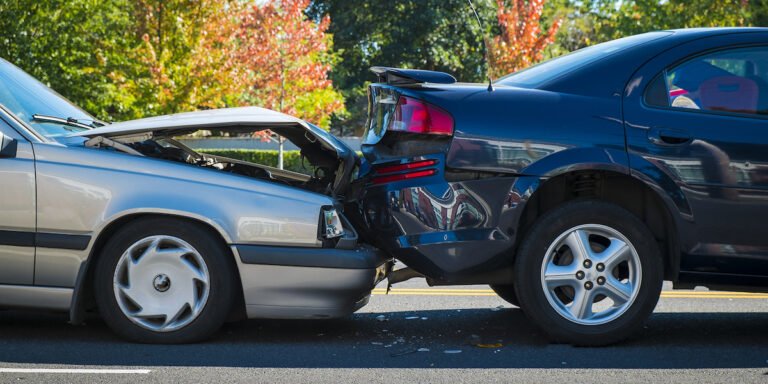
Car accidents are disruptive in ways that extend far beyond vehicle damage. In a matter of seconds, a routine drive can turn into a complicated situation involving injuries, insurance claims, missed work, and long-term uncertainty. For many people, the legal side of a collision feels overwhelming, especially when they are still trying to recover physically and emotionally.
This article is written for everyday drivers and passengers who want clear, grounded information. It explains how legal services fit into the aftermath of a car accident, what rights are often overlooked, and how informed decisions early on can make a meaningful difference later.
Table of Contents
Why Legal Guidance Matters After a Car Accident
After a collision, most people assume the process is straightforward. Exchange information, file an insurance claim, repair the vehicle, and move on. In reality, car accident claims often become complex quickly, especially when injuries are involved.
Medical symptoms do not always appear immediately. Soft tissue injuries, concussions, and psychological effects can take days or weeks to surface. At the same time, insurance companies begin documenting statements and assessing liability almost right away. Without a clear understanding of how claims work, injured individuals may unknowingly accept outcomes that do not reflect the full impact of the accident.
This is where informed legal guidance can help level the playing field. A qualified car accident lawyer can explain how liability is assessed, how damages are calculated, and what steps protect your interests while you focus on recovery. For a general overview of how personal injury claims are handled, you can explore this resource on personal injury law through a trusted legal services provider.
Common Legal Questions People Have After a Collision
Who Is Considered at Fault?
Fault is not always obvious. Even in accidents that seem clear-cut, multiple factors may be involved, including road conditions, vehicle defects, or the actions of more than one driver. Insurance adjusters rely on police reports, witness statements, and sometimes accident reconstruction to determine responsibility.
Understanding how fault is allocated is critical because it directly affects compensation. In many cases, fault can be shared, which changes how claims are evaluated and resolved.
What Types of Compensation May Be Available?
Compensation after a car accident is not limited to immediate medical bills. Depending on the circumstances, claims may include:
● Ongoing medical treatment and rehabilitation
● Lost income and reduced earning capacity
● Pain and suffering
● Costs related to long-term care or disability
● Out-of-pocket expenses connected to recovery
Many people underestimate these categories, particularly when injuries affect their ability to work or enjoy daily activities.
How Long Do You Have to Take Action?
Every jurisdiction has limitation periods that restrict how long you have to pursue a legal claim. Missing these deadlines can permanently bar recovery, regardless of how strong the case may be. Acting early allows time to gather evidence, document injuries properly, and avoid unnecessary pressure from insurers.
The Hidden Impact of Car Accident Injuries
Car accident injuries are not always visible. According to recent traffic injury data linked through national transportation safety reporting, a significant percentage of injury claims involve soft tissue damage rather than fractures or visible trauma. These injuries can lead to chronic pain, reduced mobility, and prolonged treatment.
There is also growing recognition of the psychological toll of car accidents. Anxiety, sleep disruption, and post-traumatic stress symptoms are increasingly documented in collision-related injury statistics. These effects are real and can be compensable when properly supported by medical evidence.
Understanding the full scope of harm is essential when evaluating any settlement offer. Early offers may not account for long-term consequences that only become clear with time.
Dealing With Insurance Companies: What to Know
Insurance companies play a central role after car accidents, but their priorities do not always align with those of injured individuals. Adjusters are trained to minimize payouts while closing claims efficiently.
Some common challenges include:
● Requests for recorded statements before injuries are fully diagnosed
● Pressure to accept quick settlements
● Disputes over medical necessity or treatment duration
● Delays that increase financial stress
Legal professionals familiar with these tactics can manage communication, ensure documentation is complete, and push back when claims are undervalued.
Evidence That Strengthens a Car Accident Claim
Strong claims are built on clear evidence. While each case is unique, certain forms of documentation consistently make a difference:
● Police collision reports
● Photographs of the scene and vehicle damage
● Medical records and treatment plans
● Witness statements
● Employment records showing income loss
Even small details can matter. Keeping a personal record of symptoms, appointments, and daily limitations can help illustrate how the accident has affected your life over time.
When Legal Support Becomes Especially Important
Not every accident requires extensive legal involvement, but certain situations strongly benefit from professional assistance:
● Serious or permanent injuries
● Disputes about fault
● Multiple vehicles or parties involved
● Denied or delayed insurance claims
● Long-term impact on employment or quality of life
In these cases, legal services help bring structure and clarity to what can otherwise feel like an endless process.
Long-Term Considerations Beyond the Initial Claim
Car accidents can have ripple effects that last for years. Future medical care, adaptive equipment, and changes in living arrangements are not always obvious in the early stages. Proper legal planning considers not only current losses but also reasonable future needs.
Recent healthcare utilization data linked through injury research organizations shows that a notable portion of accident-related treatment occurs months after the initial incident. This underscores the importance of not rushing decisions before the full picture is clear.
Making Informed Decisions After a Car Accident
The period following a car accident is often marked by stress, uncertainty, and competing advice. Friends, insurers, and online sources may all offer opinions, but not all guidance is equally reliable or tailored to your situation.
Understanding your legal options does not mean committing to a lawsuit. It means knowing your rights, the value of your claim, and the implications of the choices you make early on. Legal services exist to provide that clarity, allowing individuals to move forward with confidence rather than guesswork.
Final Thoughts
Car accidents are disruptive events that affect health, finances, and peace of mind. While no one plans to be in this situation, being informed can make the aftermath more manageable. Legal services related to car accidents focus on restoring balance, ensuring accountability, and helping injured individuals rebuild after an unexpected event.
Taking the time to understand how the legal process works is not about being aggressive or adversarial. It is about protecting yourself and making decisions that reflect the true impact of what you have experienced.


