

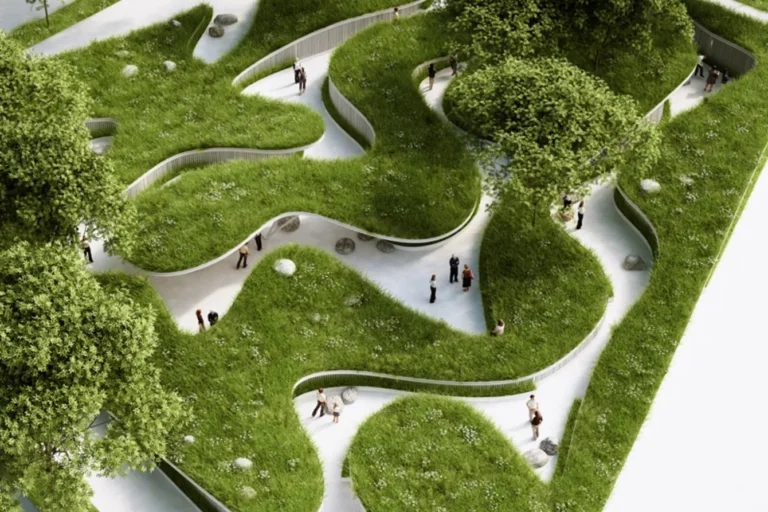
Planning a landscaping project can be an exciting opportunity to transform outdoor spaces into functional and beautiful areas. Before breaking ground, it’s important for homeowners to understand the practical and design considerations that lead to a successful outcome.
Table of Contents
Understanding the Purpose of the Project
Every effective design begins with a clear purpose. Homeowners should think about how they want to use their outdoor space, whether it’s for relaxing, entertaining, or gardening. A well-defined goal helps guide design choices and ensures that every feature serves a meaningful function.
Assessing the Property
The natural characteristics of your property play a major role in shaping the final design. Factors such as soil type, sunlight exposure, drainage patterns, and existing vegetation all influence plant selection and layout. Taking time to observe these details prevents costly adjustments later in the project.
Budgeting and Cost Considerations
Establishing a budget early on helps prioritize features and materials. Costs can vary widely depending on the scope of work, from simple garden beds to full outdoor living installations. Including a contingency fund for unexpected expenses provides flexibility during construction.
Choosing the Right Professionals
Working with experienced landscaping companies can make the process more efficient and stress-free. Professionals bring expertise in design, construction techniques, and local regulations, ensuring that the project meets both aesthetic and safety standards.
Design Planning and Functionality
Good landscape design balances form and function. Walkways should connect key areas logically, seating zones should offer comfort and privacy, and plant choices should complement the surroundings. Attention to proportion, texture, and color harmony adds visual interest while maintaining cohesion. Working with JH Landscapes in Union County, NC can help bring these design elements together into a cohesive outdoor space that feels both functional and visually balanced.
Elements to Consider in Design
- Plant selection suited to local climate and soil conditions
- Efficient irrigation systems that conserve water
- Outdoor lighting for safety and ambience
- Durable materials for patios, decks, and paver walkways
- Proper drainage to prevent erosion or flooding
Understanding Maintenance Requirements
Every landscape requires ongoing care. Before installation, homeowners should realistically assess how much time they can dedicate to upkeep. Low-maintenance plants, mulching, and automated watering systems are useful options for simplifying routine tasks.
Local Regulations and Permits
Some projects may require permits or must follow local guidelines regarding fences, grading, or water use. Consulting with local authorities or qualified contractors ensures compliance and avoids delays once construction begins.
Seasonal Timing and Project Scheduling
Timing can greatly influence the success of a landscaping project. Planting during the appropriate season improves growth and survival rates. Scheduling construction when weather conditions are stable also helps prevent interruptions and quality issues.
Maximizing Long-Term Value
Investing in quality materials and thoughtful design increases property value and enhances enjoyment over time. A well-planned outdoor space not only improves curb appeal but also provides functional living areas for years to come.
Exploring Local Expertise
Homeowners seeking guidance can benefit from consulting experts familiar with landscaping calgary projects. Local specialists understand regional conditions and can recommend plants and materials that thrive in the area’s unique environment.


