

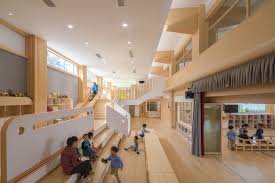
In international kindergartens, educators are embracing a powerful method that places children’s curiosity at the centre of learning. This approach moves beyond traditional instruction. It does not rely on rigid curricula or passive reception of facts. Instead, it builds upon the natural questions and interests of young learners.
An inquiry-driven approach at a kindergarten international school creates a vibrant space where exploration guides daily activities. This method aligns with the diverse needs of a global student body. It prepares children not just for academic success, but for a lifetime of thoughtful engagement with the world. The process turns the classroom into a community of investigators.
Table of Contents
The Core Philosophy of Student-Led Exploration
An inquiry-driven approach is rooted in the belief that children are capable and curious. Teachers at an international kindergarten school act as facilitators rather than sole sources of knowledge. They observe students’ play and conversations to identify genuine interests. These observations form the basis for future projects and investigations. The classroom environment is intentionally designed with open-ended materials. These materials provoke questions and invite manipulation. Learning becomes a collaborative process between teachers and students. This philosophy respects each child’s individual perspective and developmental pace.
Creating a Stimulating Classroom Environment
The physical space in an inquiry-based kindergarten is deliberate. It avoids static, decorative displays in favour of materials that encourage interaction. Tables might hold collections of natural objects, building tools, or art supplies. Walls document the children’s learning journey through photos and their own words. Flexible seating allows for group work and individual concentration. Every area of the room offers potential for discovery and problem-solving. The environment acts as a silent teacher. It suggests possibilities without prescribing specific outcomes.
The Role of the Educator as Facilitator
Teachers in this model have a dynamic and responsive role. They listen carefully to children’s questions and theories. Skilled educators ask purposeful, open-ended questions to extend thinking. They might ask, “What do you notice?” or “How to test that idea?” They provide resources and experiences that help children find their own answers. Documentation of student work is a key responsibility. This helps make the children’s thinking visible to everyone. The teacher guides the process while ensuring learning objectives are met.
Developing Critical Thinking from an Early Age
Inquiry learning builds the foundations of critical thought. Children learn to ask questions, not just answer them. They make predictions and test their hypotheses through simple experiments. They compare results and discuss differences in their findings. This process introduces basic principles of reasoning and evidence. Children experience that failure is a part of learning and a chance to try again. They practice expressing their ideas and listening to peers. These skills are essential for future academic and personal challenges.
Fostering Language and Social Skills
The collaborative nature of inquiry naturally promotes language development. Children engage in constant dialogue about their projects. They learn to articulate questions, describe observations, and negotiate roles. In an international setting, this happens across different native languages. Children develop social skills like cooperation, sharing, and empathy. They work together towards common goals. The classroom becomes a micro-society where respectful communication is essential. These interactions build confidence and social understanding.
Integrating Subjects Through Meaningful Projects
Inquiry breaks down the barriers between traditional subjects. A project about a school garden, for instance, blends science, maths, language, and art. Children count seeds, measure plant growth, write labels, and draw observations. Learning becomes interconnected and purposeful. Skills are taught within a context that has meaning for the child. This integration reflects how knowledge is applied in the real world. It shows children that learning is not a series of isolated tasks. It is a holistic process for understanding their environment.
Assessment Through Observation and Documentation
Assessment shifts from standardised tests to nuanced observation. Teachers collect evidence of learning through photos, videos, and samples of student work. They record children’s conversations and explanations. Portfolios showcase growth over time. Progress is measured against a child’s own starting point. Teachers share this documentation with parents to tell the story of learning. This method provides a comprehensive view of the whole child. It values process as much as product.
An inquiry-driven approach in a kindergarten international school is more than a teaching method. It is a respectful and powerful way to honour childhood. This approach cultivates adaptable, thoughtful, and engaged learners. Children carry forward not just facts, but the ability to think, question, and collaborate. They build the resilience and curiosity needed for an uncertain future. The classroom becomes a foundation for lifelong learning. In nurturing the innate wonder of each child, this method prepares them to navigate and contribute to a complex world.


