

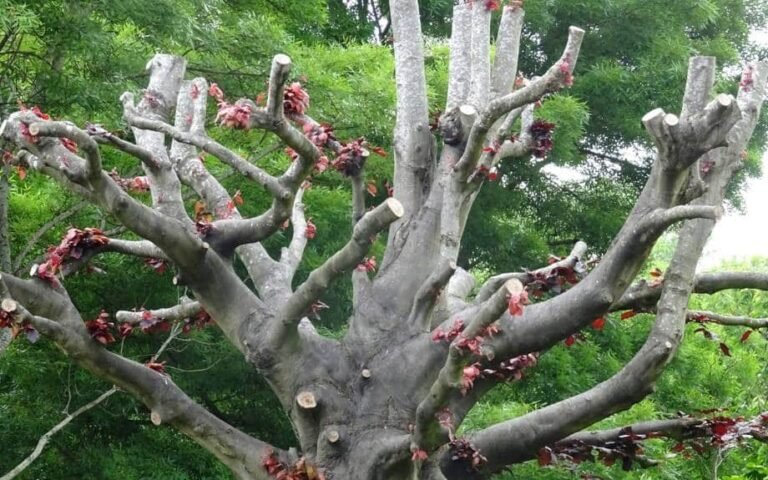
Pruning is often presented as a simple way to keep trees tidy, yet the wrong cuts can set off a chain of stress that lasts for years. A tree responds to pruning as it would to an injury, and it must expend energy sealing wounds, rebuilding leaf area, and restoring balance between roots and canopy. When pruning removes too much, cuts in the wrong place, or happens at the wrong time, the tree may never fully recover. Instead of growing stronger, it can become more vulnerable to decay, pests, storm damage, and sunburn. The effects are not always immediate, which is why improper pruning is so common. A tree may look fine for a season, then show dieback, weak sprouts, or internal rot later. Understanding how bad pruning shortens lifespan helps you protect structure, health, and long-term safety.
What goes wrong and why
- Wound size and cut placement drive decay
One of the biggest reasons improper pruning shortens a tree’s lifespan is decay that begins at poorly made wounds. Trees do not heal like people; they compartmentalize damage by sealing off injured tissue. When a cut is too large or placed incorrectly, sealing becomes harder, and decay organisms can move deeper into the trunk or major limbs. Flush cuts that remove the branch collar take away the tree’s natural boundary tissue, increasing the risk of rot. Stub cuts are also risky because a dead stub can die back, creating an entry point for decay as it breaks down. Over time, decay can hollow out a limb or trunk while the outside still looks normal, creating a hidden structural weakness that may fail during wind or heavy rain. Another common mistake is pruning large limbs all at once. Large wounds require more resources to seal, and the tree may not have enough energy, especially if it is already stressed by drought, soil compaction, or construction damage. Repeated large cuts over multiple seasons can create multiple decay columns, reducing the tree’s ability to support its canopy safely as it matures.
- Topping and excessive canopy removal trigger stress
Topping, also called heading back, large sections of a tree, is one of the fastest ways to shorten a tree’s lifespan. It removes a major portion of the leaf area that powers the tree through photosynthesis, forcing the tree to use stored energy to survive. The regrowth that follows often appears as dense clusters of fast-growing sprouts attached near the surface of the cut rather than anchored deep into the wood. Those sprouts can break more easily, leading to ongoing maintenance problems. Excessive canopy removal can also expose bark that was shaded for years, leading to sunscald and cracking on limbs and trunk sections. This damage opens additional entry points for pests and disease. When a tree is repeatedly over-thinned or over-lifted, it may respond with stress growth patterns that look vigorous but are actually a sign of emergency recovery. If you are hiring Tree Trimming Services, asking how they avoid topping and how they choose reduction cuts can help ensure the tree keeps a stable structure rather than being forced into weak regrowth cycles. A tree that loses too much canopy too quickly often declines over several years, even if it looks temporarily smaller and cleaner right after the work.
- Poor timing and repeated small injuries add up.
Pruning at the wrong time can increase stress and reduce a tree’s ability to seal wounds. Some species are more vulnerable to insects or disease during certain seasons, and fresh cuts can attract problems when pests are active. Even without specific pest pressure, heavy pruning during hot, dry periods can be tough because the tree is already managing water stress. Pruning during extreme cold can also cause brittle tissue and slower sealing. Another issue is repeated small injuries caused by improper tools or rushed work. Dull blades can tear bark, leaving ragged wounds that take longer to seal. Improper drop cuts can strip bark down the trunk, creating long wounds that invite decay. Even climbing practices can matter. Spikes left on trees that are not being removed create punctures that become points of infection. Over time, many small injuries can add up to one major stress event, especially in older trees with fewer stored reserves. A well-structured pruning plan focuses on clean cuts, reasonable removal amounts, and timing that supports recovery.
Healthier Trees for Longer
Improper pruning shortens a tree’s lifespan by creating large wounds, encouraging decay, and causing stress-induced regrowth that weakens the structure over time. Flush cuts, stub cuts, topping, and excessive canopy removal reduce a tree’s ability to seal injuries and maintain stable energy reserves. Poor timing and repeated small damage add stress and increase vulnerability to pests, sunscald, and internal rot. Long-term safety and longevity depend on clean cuts, reasonable removal amounts, and a structure-focused approach that guides growth rather than fights it. When pruning supports the tree’s natural form and recovery, the tree can remain safer, stronger, and healthier for many years.


