

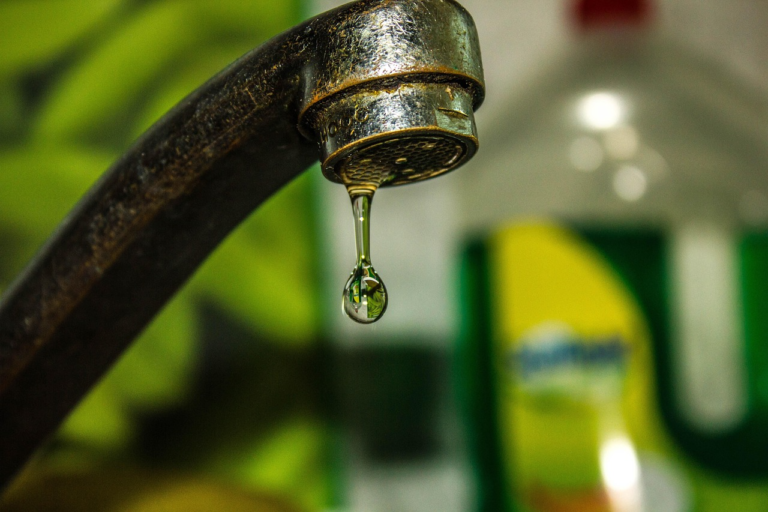
Ready for a plumbing disaster? Neither are we.
Water comes blasting through your ceiling or bubbling up from your basement floor without a moment’s notice. While you freeze in panic, precious dollars are slipping away from your wallet.
It happens fast…
In fact, homes across the United States suffer water damage every 39 seconds. And water damage spreads quickly — especially when homeowners don’t know how to react.
That’s why it’s critical to know what to do during the first moments of a plumbing catastrophe. Fast action in those first few minutes can literally save you thousands of dollars on water damage repair.
Table of Contents
How To Recognize a Plumbing Emergency ASAP
Sure, your sink might drip every now and again. But when does a leak qualify as an emergency?
Here’s a list of problems that demand your immediate attention:
- Burst pipes or cracks spraying water
- Continuous sewage backups coming from drains or toilet bowls
- Lack of water pressure throughout your entire home
- Water damage showing up on your floors, ceilings and walls
- Smelling gas during or after working with your plumbing
If any of the above apply to you, it’s time to drop what you’re doing and call for help. Pretending like a serious plumbing issue isn’t serious will cost you far more in the long run.
Immediate Steps To Prevent Further Damage
Before you do anything else…
Turn off your water.
Every homeowner should know where the main water valve is located at all times. For most houses, this will be near the water meter near the basement, utility closet, or outdoors against the home’s foundation. By turning it off, you prevent more water from flowing through your pipes and worsening the problem.
It’s a simple step that can save you thousands.
Next, turn on all the cold water faucets on the lowest level of your home. Doing so drains the pipes of standing water and alleviates pressure buildup.
Burst Pipes 101: What to Do If…
Ok, now a word about bursting pipes.
When a pipe bursts inside your home, it’s serious. Pipes can unleash hundreds of gallons of water in a matter of hours. They’re most common during freezing temperatures when water molecules expand and contract inside the pipe. But extreme cases also happen inside older homes with outdated, rusty pipes year-round.
Knowing what to do when a pipe bursts can help before the plumber gets there. After turning off the water, take photos of the affected areas before cleaning or grabbing any wet furniture. Your insurance adjuster will want to see it.
FEMA and the National Flood Insurance Program estimate that 1 inch of water can inflict up to $25,000 worth of destruction to your home. Keep that in mind next time you wonder why you should care about fast water damage mitigation.
Fast Fact: When To Call Emergency Plumbers
Some people wait too long.
They think the leak will stop itself or a DIY solution will hold up long enough. It won’t.
You should call a professional plumber right now if you’re experiencing:
- An active burst pipe or rupture with water spraying
- Sewage backup inside any part of your home
- Overflow from your water heater
- A toilet overflow that won’t stop with a simple flush
- Water damage you suspect is inside your walls or under flooring
Granted, none of these situations are fun. But professional plumbers have seen it all. They can tell you what the root cause is and prevent further damage from occurring. Unlike your cousin Vinny who “knows a little about plumbing.” 😉
Measures To Take While Waiting For Help
Chances are, you’ll have to wait for help.
Professional plumbers can’t always be at your door within minutes. But you can do a few things while you wait:
- Remove any rugs, furniture, or other belongings away from the water
- Lay towels or mops on top of standing water if it’s on hardwood floors or tile
- Place a bucket underneath leaks or drips that won’t stop
- Shut off power to any room that has water damage (Do not touch any switches if your hands are wet)
- Open windows to prevent humidity from accumulating
Water damage can lead to mold growth in as fast as 24-48 hours. Time is of the essence.
One last thing…
Homeowners are 7 times more likely to experience a home insurance claim due to a plumbing leak than an actual fire. Yet homeowners spend more money on smoke detectors than flood sensors. “You can’t smell water” doesn’t matter when it’s 5 inches high.
Install a few water sensors near appliances, under sinks, and next to your water heater to avoid major damage down the road.
Don’t Forget To Call Your Insurance Agent
Grab your phone while the water is still happening and take photos or videos of:
- The cause of the damage
- Every room water has touched
- Floors and ceilings
- Personal belongings that are damaged
Contact your insurance provider immediately after. Most homeowners policies will cover you in the event of sudden and accidental water damage, like a broken pipe. Doing this after the fact is one of the quickest ways to be denied service.
Wrap Up & Call To Action
Dealing with plumbing emergencies isn’t anyone’s idea of a good time.
But knowing what steps to take AFTER the damage occurs is just as important. Hesitating to call a plumber or spend money on repairs can cost you exponentially more money.
Let’s review what you should know…
- Know where the main water shutoff valve is located BEFORE an emergency happens
- Shut off the water as soon as you know something is seriously wrong
- Burst pipes, sewage backups and other serious leaks require a same-day plumber
- Take photos of the damage before it gets cleaned up
- Install water sensors to help prevent future emergencies
These nightmares WILL happen to you. Don’t wait for the phone to ring before taking action.
Frequently Asked Questions
Does homeowners insurance cover burst pipes?
In most cases, yes. Standard homeowners insurance usually covers sudden water damage caused by burst pipes. However, ongoing leaks typically do not qualify.
What counts as a plumbing emergency?
Situations where water is destroying your home, raw sewage is backing up into your home, or your water supply has failed completely. These emergencies require same-day assistance.
How do you temporarily fix a burst pipe?
By turning off the main water valve. Wrap the broken area with pipe repair tape or a rubber patch as a temporary fix. NEVER attempt to repair the pipe yourself. A plumber will need to replace this section.
How quickly does water damage spread?
Very quickly. Within minutes, drywall and flooring can absorb water. Mold can start growing anywhere between 24–48 hours after water intrusion.


