

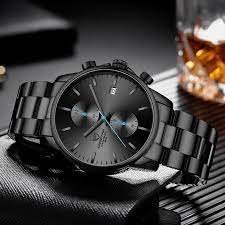
There’s something quietly compelling about a well-made watch. It keeps time, yes—but a luxury wrist watch does far more than that. It reflects decades, sometimes centuries, of horological tradition. It signals taste, patience, and an appreciation for things built to last. And for a growing number of collectors and first-time buyers, it represents a serious long-term acquisition.
The market for luxury wrist watches has expanded steadily over the past decade, drawing in both seasoned collectors and curious newcomers. Understanding what separates a truly exceptional timepiece from an overpriced one takes some knowledge—and that’s exactly what this guide offers. From the materials and movements that define quality to the market trends shaping the industry, here’s what you need to know before you buy.
Table of Contents
What Makes a Watch “Luxury”?
The word “luxury” gets used loosely, but in horology, it carries a specific meaning. A luxury wrist watch is typically defined by three things: the quality of its movement, the caliber of its materials, and the level of craftsmanship involved in its production.
The Movement
At the heart of every watch is its movement—the mechanism that powers it. Luxury watches almost always use mechanical movements, either manual-wind or automatic. These movements are assembled by hand, often by highly skilled watchmakers who spend years mastering their craft. Some manufacturers produce entirely in-house movements, meaning every component is designed and built under one roof. This level of vertical integration is considered a hallmark of serious watchmaking.
Materials and Finishing
Luxury wrist watches are built from materials chosen for both performance and aesthetics. Cases are commonly crafted from stainless steel, titanium, or precious metals like gold and platinum. Sapphire crystal—harder than mineral glass and highly scratch-resistant—is standard for the watch face. Straps range from hand-stitched leather to rubber compounds engineered for deep-sea diving.
Finishing is where craftsmanship becomes visible. Polished surfaces sit next to brushed ones. Edges are beveled and chamfered with precision. Dials may be lacquered, guilloché-patterned, or set with gemstones. These details take time, skill, and intention—and they’re what justify the price.
The Investment Angle: What Buyers Should Understand
Luxury wrist watches are frequently discussed in the context of investment, and for good reason. Certain references from well-regarded manufacturers have appreciated significantly in value over time, particularly limited-edition or discontinued models. However, it’s important to approach this dimension carefully.
Watch values are influenced by a wide range of factors: condition, provenance, rarity, and shifting collector preferences. There are no guarantees of appreciation, and treating a watch purely as a financial instrument can lead to poor decisions. The more sustainable approach is to buy a watch you genuinely want to wear—one whose value you appreciate beyond any potential resale price.
That said, buying thoughtfully does matter. Watches with strong heritage, recognizable design language, and consistent demand tend to hold their value better than trend-driven novelties. A well-maintained watch with its original box and papers will always command more attention in the secondary market than one without.
Key Buying Tips for Luxury Wrist Watches
Purchasing a luxury watch is a significant decision. These practical considerations can help you navigate the process with confidence.
Define Your Purpose
Start by clarifying what you want the watch to do. Are you looking for an everyday wear piece that can handle varied conditions? A dress watch for formal occasions? A sports watch for active use? Each category comes with its own set of specifications and aesthetics, and knowing your purpose narrows the field considerably.
Research the Movement
Before committing to a purchase, understand what’s powering the watch. Look into the manufacturer’s movement—whether it’s in-house or sourced from a specialist supplier, its power reserve, accuracy rating, and service intervals. A movement that requires servicing every five years is a different long-term proposition than one that needs attention every three.
Buy from Reputable Sources
The secondary market for luxury wrist watches is active and, in places, problematic. Counterfeits exist at every price point, and misrepresented condition is common in private sales. Purchasing from an authorized dealer or a well-established retailer with verifiable authentication practices significantly reduces this risk. Platforms and retailers specializing in pre-owned luxury watches—like Wrist Aficionado—often provide detailed condition reports and authentication documentation, which adds a layer of confidence for buyers.
Inspect Before You Buy
If at all possible, handle the watch in person before purchasing. Photos rarely capture the full picture. Pay attention to how the case finishing looks under different lighting, how the bracelet or strap feels on the wrist, and whether the crown and pushers operate smoothly. Small details reveal a great deal about how well a watch has been maintained.
Factor in Servicing Costs
Mechanical movements require periodic servicing—cleaning, lubrication, and adjustment. Costs vary depending on the complexity of the movement and the manufacturer’s service network. For some watches, a full service can run into the hundreds. Building this into your long-term ownership budget is a practical step that first-time buyers sometimes overlook.
Market Trends Shaping the Industry
The luxury watch market has undergone some notable shifts in recent years, driven by changing buyer demographics and evolving tastes.
The Rise of Vintage
Interest in vintage luxury wrist watches has surged, with collectors drawn to the character, rarity, and historical significance of older pieces. Watches from the mid-20th century—particularly those with original, unrestored dials—command strong attention at auction. This trend has also influenced contemporary design, with many manufacturers revisiting archival references for new releases.
Sustainability and Ethical Sourcing
Buyers are increasingly attentive to how and where materials are sourced. The use of recycled metals, ethically sourced gemstones, and environmentally responsible manufacturing practices is becoming a more prominent consideration—particularly among younger collectors. Some manufacturers have begun publishing detailed reports on their supply chains in response to this demand.
Digital Platforms and the Secondary Market
Online platforms have transformed how luxury wrist watches are bought and sold. What once required access to specialist dealers or auction houses can now be accomplished remotely, with high-resolution imagery and detailed condition reports enabling transactions across borders. This accessibility has broadened the buyer base significantly and created more price transparency in the secondary market.
Sports and Tool Watches
While dress watches remain a staple of the luxury segment, sports and tool watches—divers, chronographs, field watches—have seen sustained demand. These pieces tend to be more versatile, capable of moving from professional environments to casual settings without losing their relevance. The robustness of their design also means they often age gracefully, which appeals to both wearers and collectors.
Making a Decision That Lasts
Luxury wrist watches offer more than just timekeeping—they combine artistry, engineering, and heritage into a wearable treasure. A luxury wrist watch purchased with care and knowledge can be a source of daily satisfaction for decades. The mechanical complexity beneath the dial, the quality of the materials on the wrist, and the history embedded in a particular reference are elements that endure, appreciating in appreciation and value unlike most consumer goods.
Take the time to research thoroughly, handle pieces in person when possible, and buy from sources you trust. The right watch isn’t always the most expensive one or the most talked-about—it’s the one that fits your wrist, your lifestyle, and your sense of what makes something worth keeping.


