

Early childhood experiences shape confidence, communication habits, behaviour, curiosity, and emotional resilience. Parents value supportive environments where children receive care, guidance, friendship opportunities, and balanced classroom experiences. Creative activities at school encourage curiosity, while structured routines help students develop discipline, patience, and independent thought from childhood.
Supportive teachers help learners express emotions comfortably through calm guidance, thoughtful conversations, and positive classroom encouragement. Balanced early education also strengthens communication abilities, social confidence, and readiness for future professional responsibilities. Let’s learn how reputed international schools shape kindergarten years through emotional support, creativity, communication, and multicultural exposure.
Table of Contents
1. A Warm Start With Global Friendships
A kindergarten international school helps young learners understand cultural differences through shared activities, music sessions, and friendly classroom conversations. Students meet peers from varied backgrounds, which builds respect, patience, empathy, and confidence. Experienced teachers guide interactions carefully, which supports emotional comfort and helps quieter children feel accepted within unfamiliar social situations.
Parents appreciate classrooms where every child receives encouragement through calm support, creative projects, and thoughtful communication from mentors. This welcoming atmosphere reduces fear during early transitions and helps students trust adults outside family environments. They also learn polite behaviour, simple cooperation, and respectful listening habits through positive guidance.
2. Play-Based Lessons Build Natural Curiosity
Young learners at reputed kindergarten schools respond positively when lessons include stories, music, art projects, puzzles, and imaginative roleplay. Creative activities encourage problem-solving abilities while children explore colours, shapes, sounds, and textures through enjoyable classroom experiences. These lessons support stronger concentration as students remain interested without pressure from repetitive exercises or strict performance expectations.
Teachers create structured routines that balance exploration, quiet reflection, movement, and practical tasks within comfortable classroom environments. Young learners gain confidence through small achievements, which encourages independent thought and stronger communication during group participation opportunities. Parents notice greater enthusiasm at home as enjoyable classroom experiences inspire meaningful discussions about lessons and personal discoveries.
3. Strong Communication Shapes Early Confidence
Language development remains essential during childhood because clear communication supports emotional expression and stronger classroom participation. Teachers in renowned global kindergarten schools encourage respectful conversations through storytelling sessions, music activities, and thoughtful discussions. This approach helps learners express emotions comfortably, which reduces hesitation during interactions with peers and family members.
An international kindergarten school may introduce bilingual exposure, which supports vocabulary growth and a stronger understanding between cultural communities. Students hear varied accents and sentence patterns regularly, which improves confidence during conversations within multicultural classroom environments. Parents value these opportunities as stronger communication abilities support future success across social situations and later classroom responsibilities.
4. Emotional Support Encourages Positive Behaviour
Early childhood experiences influence behaviour patterns greatly, which makes emotional support extremely valuable. Teachers observe behaviour and provide gentle guidance whenever children face frustration, uncertainty, or difficulty during group interactions. This supportive response helps them recognise emotions calmly and develop patience, self-control, and thoughtful reactions.
Students of kindergarten schools also learn kindness through teamwork activities, classroom responsibilities, and respectful discussions with peers. An international kindergarten school encourages emotional awareness since youngsters encounter different opinions, customs, and perspectives throughout meaningful classroom experiences. Such valuable interactions help learners develop patience, empathy, confidence, and stronger communication habits.
5. Creative Spaces Inspire Independent Thinking
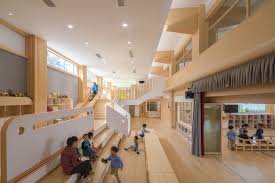
Thoughtfully designed environments at international schools encourage curiosity among students. They feel comfortable while exploring books, materials, games, and imaginative classroom projects. Also, the bright classrooms, outdoor areas, and creative corners provide opportunities for exploration without the constant pressure from rigid classroom expectations.
Teachers arrange activities carefully so the students can explore interests through art, reading sessions, and collaborative classroom discussions. This balanced environment supports creativity and helps children understand structure, responsibility, and respectful behaviour. Creative classroom tasks consistently encourage independent thought and stronger communication through enjoyable participation with classmates.
6. Early Preparation Creates Lifelong Learning Habits
Strong foundations during childhood support smoother transitions into primary environments. Teachers encourage thoughtful questions, practical exploration, and collaborative tasks, which strengthen confidence before formal learning expectations increase. These experiences help learners approach challenges calmly and maintain curiosity toward subjects, friendships, and future classroom responsibilities.
A global kindergarten school also introduces inquiry-based learning, which encourages independent practical problem-solving abilities. Students become comfortable with discussion, teamwork, and creative exploration through supportive classroom experiences guided by attentive educational professionals. Parents value these qualities as confident children adapt more comfortably during future transitions across varied professional and social environments.
Young learners carry early classroom experiences into future relationships, communication habits, confidence levels, and personal development throughout later years. A kindergarten international school creates meaningful opportunities where students develop curiosity, emotional balance, and respect for diverse communities. Give your child a stronger foundation for future success through supportive environments that encourage confidence, creativity, and lifelong happiness.


