

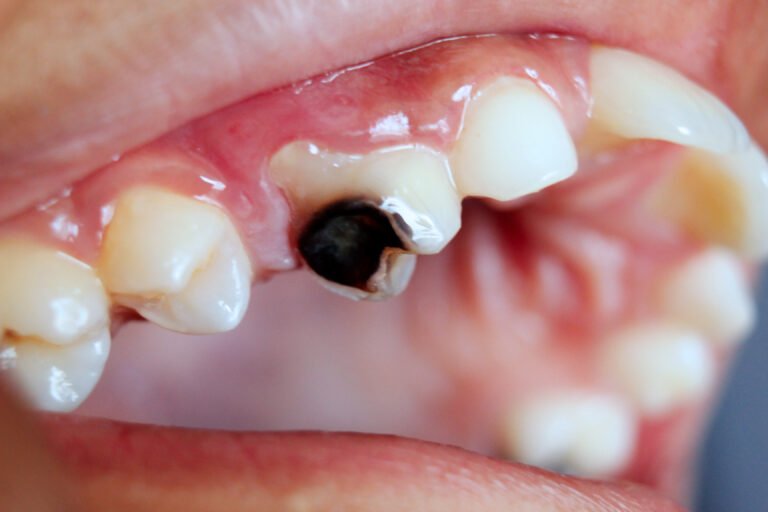
Tooth decay can start before kindergarten. You see it when a child winces at snack time or avoids smiling. Early cavities cause pain, missed school, and trouble eating. They also shape how a child feels about doctors and care for years. You can stop much of this in your classroom or daycare. Simple daily steps protect baby teeth and support families. You do not need special tools. You need clear routines, strong limits on sugar, and honest talk with parents. This guide shares ways to fit tooth care into busy days with young children. It draws on the same science used in pediatric dentistry in Greenwich Village, NYC and turns it into quick actions you can use now. You will learn how to set up tooth friendly snacks, support brushing habits, and watch for early warning signs before they turn into bigger problems.
Table of Contents
Why Preschool Teeth Matter
Baby teeth hold space for adult teeth. They help children chew, speak, and learn. When decay starts, it spreads fast. A small spot can turn into a deep hole that reaches the nerve. Then a child feels sharp pain with every bite.
Early decay also raises the risk of future decay. When harmful mouth germs grow unchecked, they affect new adult teeth when they come in. You protect a child’s long term health when you protect their baby teeth now.
You also protect learning. A child with tooth pain may not sleep, pay attention, or join play. That loss of comfort affects the whole group.
Know the Main Causes of Tooth Decay
Tooth decay starts when germs in the mouth feed on sugar. They create acid that eats away at enamel. Three patterns in preschool settings cause most of the damage.
- Frequent sweet drinks such as juice, flavored milk, or sports drinks
- Sticky snacks that cling to teeth such as gummies and crackers
- Poor brushing and lack of fluoride
When these habits stack up during the day, teeth stay under attack. You can interrupt this cycle with clear classroom rules.
Set Strong Snack and Drink Rules
Food choices in your program shape every child’s mouth health. Clear rules protect children and reduce conflict with parents.
Snack and Drink Choices That Protect Teeth
| Option | Tooth Impact | Better Choice |
|---|---|---|
| Fruit juice boxes | High sugar. Sips over time coat teeth. | Water. Whole fruit in small cups. |
| Gummy snacks or fruit rolls | Stick to teeth. Hard to brush off. | Fresh fruit. Plain yogurt. |
| Candy and cookies | Short sugar hit. Raises decay risk. | Cheese cubes. Nuts where safe. Whole grain crackers. |
| Flavored milk | Extra sugar in each serving. | Plain milk with meals. |
Use three simple snack rules.
- Serve water between meals. No juice for constant sipping.
- Offer whole fruit instead of fruit snacks or rolls.
- Limit sticky and sweet foods to rare events.
Then share these rules with parents in writing. Explain that the policy protects every child, including theirs.
Build Daily Brushing Habits
Classroom routines can support strong brushing habits. You may not brush teeth at school. You can still guide children and families.
First, teach the basics with short steps.
- Brush twice each day. Morning and night.
- Use a pea sized smear of fluoride toothpaste for children over age three.
- Help children brush until they can tie shoes on their own.
You can use large picture cards and a toy mouth to show the steps. Then you can have children practice with dry toothbrushes on the model.
Second, send clear notes home. You can share a simple brushing chart that families can hang near the sink. You can find printable charts and parent handouts at the Centers for Disease Control and Prevention website at CDC Children’s Oral Health.
Use Short Learning Moments
You do not need long lessons to change habits. Short moments across the day help children learn and remember.
You can try three types of learning moments.
- Story time. Choose books that show tooth brushing and dentist visits.
- Song time. Use a two minute song for pretend brushing. That teaches the right length of time.
- Play time. Add toothbrush toys and dentist kits to the pretend play corner.
These routines make tooth care feel normal and safe.
Watch for Early Warning Signs
Early signs of tooth decay are easy to miss. You see children each day, so you are in a strong position to notice changes.
Look for three common signs.
- White or brown spots near the gum line
- Bad breath that does not improve after brushing
- Children who avoid cold drinks or chew on one side only
If you see these signs, talk with the parent in private. Speak in a calm, firm tone. Share what you see. Urge them to make a dental visit soon. You can also keep a short list of local clinics that accept children and public insurance.
The American Academy of Pediatric Dentistry has a helpful overview for families at Overview of Pediatric Oral Health. You can print this for your parent board.
Shape a Supportive Classroom Culture
Children watch how adults react to health topics. Your words shape how they feel about teeth and care.
Use three core messages again and again.
- Everyone has germs in the mouth. Brushing removes them.
- Going to the dentist is part of staying strong and ready to learn.
- It is okay to feel scared. Adults will stay with you and help.
Never shame a child for tooth stains, bad breath, or cavities. Instead, praise any small step. Praise trying a new snack. Praise talking about a dental visit. Praise bringing a toothbrush picture from home.
Work With Parents as Partners
Some families face hard barriers. They may lack insurance, time off work, or a dentist who speaks their language. Gentle, honest support from you can reduce these pressures.
You can offer help in three ways.
- Send home clear, short flyers in the main languages of your program.
- Share contact information for local public health dental clinics.
- Allow parents to use your site address for appointment reminders if they move often.
When parents see you care about their child’s comfort, they feel less alone. That trust helps them follow through with care.
Turn Small Steps Into Strong Protection
Tooth decay in preschool is common. It is also preventable. Your classroom rules, snack choices, and daily messages carry real weight. Each cup of water, each story about brushing, and each quiet talk with a parent protects a child from pain.
Start with one change this week. Replace juice with water. Or add a short brushing song. Then add two more changes over time. Simple, steady steps build strong teeth and more relaxed smiles in your care.


