

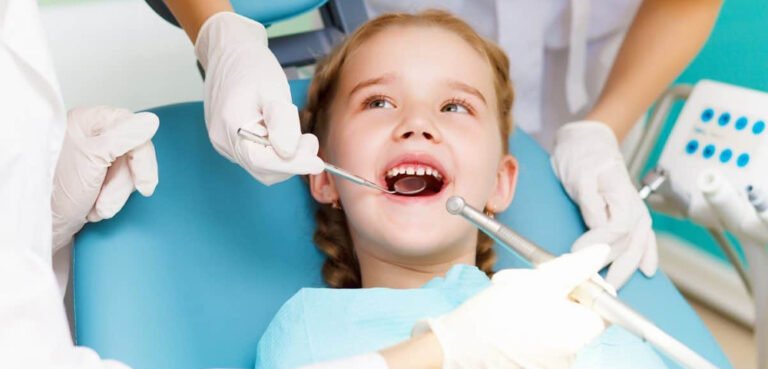
Preventive dentistry protects your mouth before small problems turn into painful emergencies. You brush, floss, and try to eat well. Still, plaque, tiny cracks, and slow infections can grow without clear warning. Regular checkups and cleanings catch these early. They keep your teeth strong and your gums healthy. They also help protect your heart, lungs, and blood sugar control. Every visit gives your dentist a clear record of changes in your mouth. That record guides simple care instead of complex treatment. It also lowers your risk of sudden toothaches, broken teeth, and costly procedures. When you commit to preventive care with a trusted dentist in Jackson, OH, you choose steady protection instead of crisis care. You save time, money, and energy. You also keep your natural teeth working longer. Preventive dentistry is not extra. It is the base of general dentistry and your long-term oral health.
Table of Contents
How Preventive Dentistry Works For You
Preventive dentistry is simple. You use daily habits and regular visits to stop damage before it starts. You focus on three steps. You clean. You check. You protect.
You clean your teeth at home. You brush with fluoride toothpaste twice a day. You floss once a day. You limit sugar and drinks that coat your teeth. These small steps slow the decay and gum disease.
You also need a professional check. A dentist and hygienist remove hardened plaque that you cannot reach. They look for early decay, gum swelling, dry mouth, and signs of teeth grinding. They may take X-rays when needed.
Then they protect. They use fluoride to strengthen enamel. They may place sealants on back teeth in children and some adults. They teach simple changes that fit your life. That steady pattern reduces future treatment.
Why Prevention Sits At The Core Of General Dentistry
General dentistry covers all basic mouth care. Prevention shapes every part of it. Three reasons stand out.
- You keep natural teeth longer
- You reduce pain and fear
- You lower long term costs
First, prevention saves tooth structure. A small cavity needs a small filling. A late cavity may need a crown, root canal, or removal. Each step removes more of the original tooth. Early care protects what you were born with.
Second, prevention reduces pain. Regular cleanings and early fillings cause short, controlled discomfort. Severe decay, abscesses, and broken teeth cause sharp, sudden pain. Children and adults remember that pain. Then they avoid care. Prevention breaks that cycle.
Third, prevention controls cost. A checkup and cleaning are far less expensive than emergency visits and complex work. The Centers for Disease Control and Prevention explains that untreated decay can lead to missed work, missed school, and higher medical costs. Prevention protects both your health and your budget.
Everyday Habits That Strengthen Dental Visits
You control much of your oral health at home. Three daily steps support your dentist.
- Brush with fluoride toothpaste morning and night
- Floss once every day
- Limit sugary snacks and drinks between meals
Brushing removes soft plaque before it hardens into tartar. Fluoride strengthens weak spots in enamel. Flossing cleans between teeth, where most decay and gum disease start. Food and drinks with sugar feed the mouth bacteria. Those bacteria produce acid that eats enamel.
You also protect your mouth when you use a mouthguard for sports. You protect it when you avoid tobacco and limit alcohol. These choices cut your risk of gum disease and oral cancer. They also support clean breath and a steady bite.
Link Between Oral Health And Whole Body Health
Your mouth connects to the rest of your body. Gum disease is an infection. It causes swelling that affects blood vessels and organs.
Research reviewed by the National Institute of Dental and Craniofacial Research links gum disease with heart disease, diabetes, and lung disease. Bacteria from the mouth can enter the bloodstream. They can also be breathed into the lungs.
When you keep your gums healthy, you reduce this burden. You support heart health. You help control blood sugar. You lower your risk of serious infection after surgery or illness. Preventive dentistry is part of your general health routine, not only your smile.
Prevention Versus Treatment: A Simple Comparison
| Type of Care | Typical Frequency | Example Procedures | Impact On You |
|---|---|---|---|
| Preventive care | Every 6 to 12 months | Exam, cleaning, X-rays as needed, fluoride, sealants | Short visits, low discomfort, lower long-term cost |
| Early treatment | As needed | Small fillings, simple gum treatment | Moderate time, local discomfort, controlled cost |
| Late treatment | Often urgent | Root canals, crowns, extractions, dentures | Long visits, higher pain risk, high total cost |
This table shows a hard truth. You pay with either time and care now or pain and money later. Preventive visits keep you in the first row. They also give your dentist a chance to plan any needed work in a calm way.
Why Children And Teens Need Strong Prevention
Children and teens gain the most from preventive dentistry. Their habits are still forming. Their teeth and jaws are still growing. Early patterns stay for life.
Children who visit the dentist regularly feel more at ease. They learn that cleanings and exams are routine. They also receive sealants on back teeth. These sealants block food and bacteria from deep grooves where cavities start.
Teens face new risks. Sports injuries. Sugary drinks. Tobacco and vaping. Late-night snacking. Regular exams catch early gum swelling and enamel wear. Simple guidance at this stage can prevent decades of damage.
How To Make Preventive Visits Work For Your Family
You can fit preventive care into a busy life with three steps.
- Schedule checkups for the same time each year
- Use reminders on your phone or calendar
- Prepare questions before each visit
First, pick a pattern. Many families choose every six months in the same months each year. Second, set reminders. Treat these dates like medical appointments or school events. Third, talk with your dentist. Ask about flossing tools for children, sports mouthguards, or dry mouth from medicines.
You deserve a mouth that feels stable and strong. Preventive dentistry gives you that control. When you choose regular care, you choose fewer surprises, fewer late-night emergencies, and more calm days with your family.


