

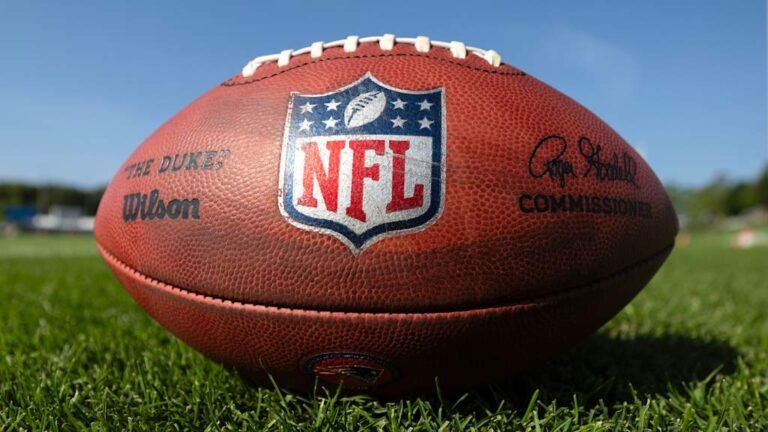
The 2026 NFL season is shaping up to be one of the more unpredictable chapters in recent memory. Rosters are shifting, coaching philosophies are evolving, and the league’s competitive balance continues to tighten. That combination tends to produce a season where expectations get challenged early and often.
Fans are not just looking for a champion. They are looking for patterns—who is rising, who is fading, and what changes might define the next era of football. This season offers plenty of material on all three fronts.
Below is a grounded look at what to expect, from emerging contenders to structural trends that could influence the entire league.
Table of Contents
A Season Defined by Parity and Pressure
The NFL has long been a league built on balance, but the 2026 season pushes that idea even further. The gap between elite teams and middle-tier rosters is thinner than it appears on paper. A single injury or a midseason adjustment can flip a division race.
That means expectations matter, but execution matters more.
Some franchises enter the season with established identities. Others are still searching for consistency. What stands out heading into 2026 is how few “safe” wins exist. Even strong teams will need to prove themselves weekly.
Pressure is also rising on coaching staffs. Playoff windows are shorter than they used to be, and front offices are less patient. A slow start can change the direction of an entire organization.
Bold Predictions That Could Shape the Year
Every NFL season comes with surprises, but 2026 feels especially open-ended. Quarterback development, roster turnover, and aggressive roster building across the league all contribute to that uncertainty.
One realistic expectation is that at least one playoff team from the previous year will fall completely out of contention. That is not unusual in today’s NFL, but the speed of decline is becoming more dramatic.
Another trend to watch is the continued rise of dual-threat quarterbacks in systems built around adaptability rather than strict structure. Offenses are less rigid than they were five years ago. That creates volatility, but also explosive potential.
Defensively, expect more hybrid players who blur positional lines. Safeties that function like linebackers. Edge rushers who drop into coverage. The modern defensive scheme is less about assignments and more about disruption.
These changes create unpredictability week to week, which is part of what makes the season compelling.
Rising Teams and Quiet Contenders
Not every contender enters the season with national attention. Some build momentum slowly, then peak at the right time.
In 2026, watch for teams that invested heavily in offensive line depth and defensive versatility. Those two areas often determine whether a team survives the long season or fades in December.
A few franchises are also entering new competitive windows after recent draft cycles matured. Young quarterbacks with two to three years of experience often make a major leap in Year 3 or Year 4. That developmental stage tends to separate average offenses from elite ones.
For fans tracking season-long storylines, resources like ESPN provide detailed breakdowns of roster trends, weekly matchups, and performance analytics that help contextualize which teams are truly improving versus those simply overperforming early.
What matters most is sustainability. A hot September does not guarantee a January appearance. Depth, coaching adjustments, and injury management will decide who stays relevant.
Breakout Players Ready to Shift the Landscape
Every NFL season introduces new names to the national conversation. Some are rookies. Others are players finally stepping into larger roles after years of development.
In 2026, wide receivers entering their second or third season are especially important to watch. That position tends to produce rapid growth curves when paired with stable quarterback play. A single breakout receiver can transform an entire offense.
On defense, edge rushers remain the most immediate impact players. A single dominant pass rusher can change game plans and force opposing offenses into conservative strategies.
Special teams also remain quietly important. Field position continues to matter in close games, and teams that consistently win that battle often outperform expectations.
Across the board, the theme is opportunity. Injuries, trades, and roster shifts open doors quickly in the NFL. The players who step through those doors early often define the season’s narrative.
Strategy Trends That Will Define the Season
Football strategy continues to evolve in subtle but meaningful ways. The 2026 season will likely reflect several ongoing shifts rather than introducing completely new concepts.
Offensively, expect continued emphasis on pre-snap motion and formation disguise. These tools are now standard, not experimental. The goal is to create hesitation in defenses before the snap even happens.
Run-pass balance is also becoming more situational. Teams are less concerned with achieving perfect balance and more focused on exploiting specific defensive weaknesses. That leads to uneven play-calling patterns that can swing dramatically from week to week.
Defensively, disguise remains critical. Many coordinators now prioritize late movement over raw blitz volume. Confusion creates pressure without sacrificing coverage integrity.
For fans looking to dive deeper into projections and matchup analysis, tools like free NFL predictions can provide additional context around weekly outcomes and statistical expectations.
The important takeaway is that strategy is no longer static. It adjusts constantly, sometimes within a single game. That adaptability is now a baseline requirement.
What Fans Should Watch Throughout the Season
The most important storylines in 2026 will not always be obvious in the standings. Some of the most meaningful developments happen beneath the surface.
Quarterback consistency is one. Teams with stable play under center tend to outperform projections, even without elite rosters. Turnover reduction and situational decision-making are often more valuable than highlight plays.
Another key factor is midseason adjustment. Teams that improve after Week 6 or Week 7 often become playoff threats, even if their early record is average. Coaching adaptability is a major separator.
Finally, divisional games will carry extra weight. The NFL’s structure ensures that familiar opponents meet multiple times, and those matchups often decide playoff seeding.
The season is long, but it is also fragile. Momentum can shift quickly. A single winning streak in November can redefine an entire year.
Final Outlook for 2026
The 2026 NFL season is not about certainty. It is about possibility. The league continues to reward adaptability, depth, and timing more than reputation or preseason expectations.
Fans should expect unexpected results. That is not a prediction—it is the current reality of professional football.
Teams will rise and fall quickly. New stars will emerge. Established contenders will be tested earlier than expected. And through it all, the season will continue to reflect a league built on balance and constant change.
What makes it compelling is not that outcomes are predictable, but that they rarely are.


