

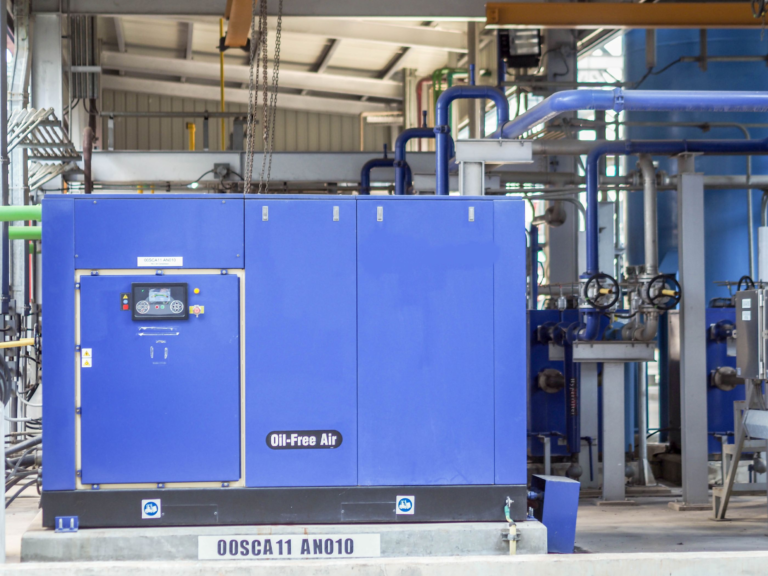
You rely on compressed air in your factory every day. It powers tools, moves products, and keeps operations running. It looks clean, but looks can be deceiving. Hidden contaminants can slip into your systems without warning. They threaten your workers, your products, and your reputation.
That’s the danger. You can’t see it, but it’s there. Fortunately, you can take steps to manage it. By testing compressed air, you uncover risks before they cause damage. Let’s explore why this matters and how you can protect your factory.
Table of Contents
Contaminants in Compressed Air
Compressed air isn’t pure. It often carries oil, dust, and moisture. These contaminants move through your lines and reach your processes. You may not notice them until they cause a problem.
Moisture is especially tricky. Without water vapor testing, you won’t know how much humidity is present. Excess moisture corrodes equipment and spoils sensitive products. Testing shows you what’s hiding in your system, including oil residue and other harmful particles.
Why Testing Matters to You
Testing is essential in industries where air purity directly impacts safety, compliance, or product quality. It’s the difference between controlled production and costly mistakes. Contaminated air can trigger recalls, downtime, and liability.
If you’re serious about preventing these risks, begin with compressed air analysis conducted by a qualified specialist. Professional testing gives you a clear picture of hidden contaminants and pinpoints risks before they cause damage. With those insights, experts can recommend corrective measures keep your systems aligned with safety and quality standards.
Health and Safety on the Line
Compressed air is usually contained within systems, but leaks or improper use can release contaminants into the workplace. When that happens, workers may inhale harmful particles or vapors, creating respiratory risks.
Testing also protects against microbial contamination, which can spread silently through compressed air lines. Even low levels of pollutants can accumulate over time, creating chronic health issues that reduce productivity and increase long‑term costs. By identifying risks early, you reduce exposure and create a safer environment. Healthy workers mean fewer absences and stronger morale.
Protecting Your Products and Reputation
Products are vulnerable. In industries like food and beverage processing, compressed air often comes into direct contact with ingredients and packaging. If that air carries contaminants, even a small amount can ruin entire batches. It can alter taste, texture, or appearance, leading to subtle defects that customers notice and reject. Customers expect safety and consistency. One failure can damage trust that took years to build.
Testing ensures your products meet expectations. It shows you care about quality and protects your brand from the fallout of contamination.
Compliance and Industry Standards
Regulators don’t leave compressed air purity to chance. Standards like ISO 8573 define acceptable limits for oil, water, and particles, and auditors expect proof that you meet these requirements.
Testing provides that proof, helping you stay compliant and ready for inspections. Falling short carries serious consequences. It can halt operations entirely. In addition, documented testing creates a verifiable trail that shows regulators and customers alike your factory takes air quality seriously and consistently meets industry benchmarks.
The Cost of Ignoring Testing
Skipping testing may seem like saving money, but in reality, it costs far more. Contaminated air damages equipment, spoils products, and sparks lawsuits, creating expenses that quickly outweigh the price of prevention.
When you compare the cost of testing with the cost of failure, the difference is clear. Testing is a planned, controlled expense, while failure brings sudden disruption and heavy losses. Beyond the immediate damage, the wider consequences, such as missed delivery deadlines and weakened customer relationships, can continue to affect your business long after the initial problem is resolved.
How to Implement Compressed Air Testing
Compressed air testing is most effective when it’s built into everyday operations rather than treated as an occasional task. A clear structure ensures consistency and accountability.
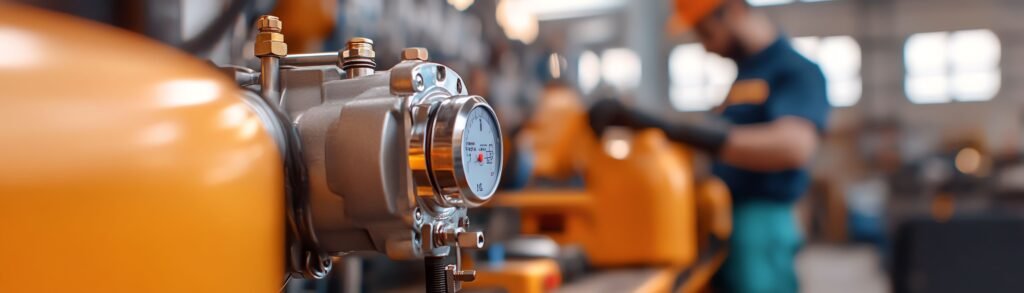
- Establish a program: Define testing frequency and methods, assign responsibility, and set clear documentation procedures.
- Use monitoring tools: Apply air sampling kits for routine checks, complementing professional audits with ongoing internal oversight.
- Analyze trends: Review results regularly to identify emerging issues and adjust maintenance before failures occur.
When done well, testing becomes a practical safeguard that protects product quality, reduces downtime, and reinforces trust in your production process.
Modern Tools and Technology
Technology makes testing easier, especially when accuracy is critical. Using calibrated equipment ensures reliable results, while digital systems provide real‑time data and alerts that keep teams informed.
Preventive solutions add another layer of protection. Installing air compressor filters helps catch contaminants before they spread, and dry air systems provide consistent moisture control. Testing also extends to compressed gas systems, which face similar risks and demand the same vigilance.
Building a Culture of Safety and Quality
Testing is strongest when it’s supported by people, not just procedures. Leaders must champion it, and workers need to understand why it matters. Training builds awareness and accountability, turning testing into a shared responsibility.
When testing becomes routine, it stops being a chore and starts becoming a habit. This reinforces a culture where safety and quality are collective priorities.
Final Thoughts
Compressed air looks harmless, but it hides risks. Testing uncovers those risks and gives you control. It isn’t simply a precaution but a discipline that strengthens compliance and prevents costly failures.
Don’t wait for contamination to prove the danger. Make testing part of your routine, and your factory will run more reliably while staying prepared for the challenges ahead.


