


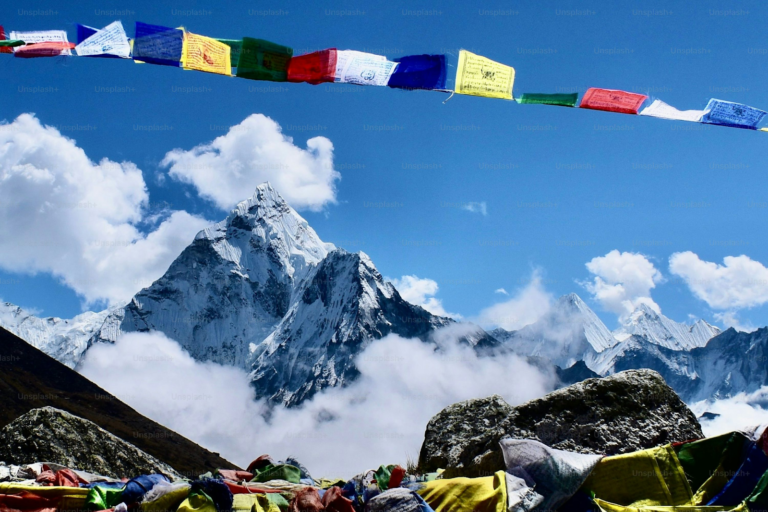
Some believe it starts when you begin walking. Reality hits different—you’re entering a flow grown over time, formed high above before anyone arrives close to Namche. Fresh arrivals tend to miss the real point—putting one foot ahead of another isn’t the challenge. Change slips in sooner through quiet decisions: understanding leads, preparation follows, and the moment aligns. Every climb rests on choices made far below, long before movement begins.
Breath grows thin where the Everest Base Camp Trek towers. Patience beats speed every time in these heights. Each movement teaches something new along the way. Quick actions lose strength up there, far too soon.
Table of Contents
1. Figure out what lies ahead before moving forward
Most folks begin by checking how tough the journey turns out to be. Not a sprint, but a climb that stretches over days—each step greater changes the air, the view, and everything around. Going up slowly shapes the whole thing, piece by piece.
From Lukla Onward
● A high-altitude walking route
● A teahouse-based mountain system
● A slow oxygen-decreasing environment
● A staged acclimatization structure
Most people think strength alone wins, but Everest Base Camp laughs at that idea. Instead, tiny shifts pile up like dust on boots. Weeks pass, and legs learn a new rhythm without fanfare. Progress hides in rest stops, not sprints. The mountain cares little for shouting effort. It answers only to patience wearing thin soles down. Each step forward is really backward from some earlier rush. Quiet gains win where loud ones fail.
2. Start your real journey in Kathmandu—forget the mountains for now.
Out here, the first thing’s arriving in Kathmandu—no steps taken yet. The place arranges chaos into order, lining up what follows without saying a word.
Here you should:
● Confirm trekking permits and documentation
● Maybe finish the outline later, or figure out which one of you drags the suitcases along. One thing at a time, depending on energy levels that morning
● Test and organize gear
● Prepare mentally for altitude travel
Fixing errors here seems almost effortless. Once you reach Lukla and enter the Everest region, things change—what matters becomes not comfort but how well you adjust.
3. Choose your way into the Everest region first
Some beginners head out on trails by picking a route at random. Others follow what friends recommend instead.
● Flight to Lukla
● Scenic mountain flight departure from Kathmandu
● Direct entry into the trekking path
● Immediate immersion into trail life
● Footpaths lead onward—choose roads over runways. Ground routes wait when flights fade. Trains roll where jets pause. Wheels turn while wings rest.
● Road Travel to Lower Solukhumbu
● Gradual ascent into the main trail
● Opening up more becomes possible, even if it means spending an additional minute
Far ahead, every path finds its way into Sagarmatha National Park, then follows the route toward Everest Base Camp. Each one winds through on its own time, moving past ridges until it joins the track leading up to base camp.
4. Slow steps come easily these days.
Most think fitness begins with force, yet rhythm beats intensity at the start. While muscle pulls focus fast, it’s quiet consistency that moves results forward slowly.
From the moment you enter Lukla, your movement should be the following:
● Slow and steady
● Breath-conscious
● Break-friendly
● Non-competitive
Under Everest’s summit, speed looks like progress but acts like risk in disguise.
5. Understand acclimatization as the core system of the trek
Up top, every part of this journey changes. When altitude doesn’t agree, staying safe gets difficult fast.
A proper beginner roadmap includes:
● Planned rest days at key elevations
● Gradual gain in sleeping altitude
● Short hikes to higher points followed by return
Inside Sagarmatha National Park, movement takes on its own timing. Break away from it, and then everything about the walk feels wrong. The trail knows before you do.
6. Learn the village progression as your navigation backbone
Up ahead, past Lukla, trails tie together small settlements climbing toward Everest Base Camp. One village shows up, then another, the ground lifting slowly underfoot. Paths move without hurry, built by rock and thinning air. Along the edges of high ground, walkers go where cloth prayers dance in the wind. Upward it climbs, step by soft step, each stop a silent yes. Breathing its way forward, the path stays low, constant, and never rushing.
You move:
● Village to village
● Lodge to lodge
● Altitude zone to altitude zone
Each stop isn’t just rest—somehow, it lifts you closer to the peak of Everest.
7. Start each day with a pattern, not targets.
Some beginners track how far they go on foot. A rhythm shifts it all.
A stable daily pattern includes:
● Morning slow start
● Walking for a couple of hours, taking breaks here and there. Now it’s slow, then suddenly faster after resting. Every part has its own flow—consistent, though never hurried.
● Early arrival at the lodge
● Healing gets a boost when you rest. Inside, water makes sure nothing grinds to a halt. Given enough days, the body slowly pieces itself back together.
Morning light arrives, yet the real work begins before it shows. Step follows step, though speed never leads. Mountains hum a quiet tune—match that, nothing more. Tomorrow depends on today’s choice to begin, not finish. Moss knows no hurry; neither should you. Weather turns sharp; still movement wins over waiting. Returning becomes its own reward, slow and sure. Familiar paths teach what new ones cannot. Consistency outlasts any single stride ever could.
8. Prepare mentally for reduced comfort and increased simplicity
Step by step, the path to Everest Base Camp pulls time thinner. Hardship trades places with ease, slowly. With every stretch of ground, what was easy fades out. Quiet fills the space where sound used to press. The farther you go, the heavier light things feel. As demands grow, comforts slip away. Through work comes simplicity, though it is never handed out.
● Get ready for what’s coming next.
● Basic accommodation
● Cold and variable weather
● Limited comfort systems
● Repetitive daily structure
High above sea level near Everest Base Camp, simplicity arrives without warning. The air thins. Routines shrink. Not by plan, but pressure. Each breath reminds you—this place runs on its own terms. Comfort fades, yet bodies adapt before minds catch up. Expectations shift like wind across rock. Out here, days grow tough before you notice. Slowly, the land bends your way.
When change arrives, it doesn’t stay long.
The pattern makes sense only when you stop resisting. Movement follows its own timing. Pushing back just creates noise where there should be flow. Out of nowhere, the weather changes. Energy slips away just as quickly. Breathing grows heavy, so plans can’t stay fixed. Gray clouds mean adjustments happen mid-stride.
Start preparing now. Get set when you can. Be ready before it happens. Move into position at your pace. Stay prepared just in case. Hold yourself steady for what comes
Adjust daily distances
Modify rest days if needed
Some days will pull you forward gently. Moments stretch when you let them breathe. Where the path slows, go slower still. Each step matches the mood the moonlight makes on the stone.
Over by Everest, folks often cling tight to their plans—pressure builds when expectations rule. Flexing with each twist? That’s what moves things forward.
10. Enter with observation, not emotional expectation
Before boots touch dirt, thoughts pave the way. The rhythm of the journey often begins in silence, long before movement. Preparation deepens when done behind the eyes, not just with gear. A shift in vision can tilt each footfall differently. When legs finally push off, confidence already leads.
Instead of expecting
● Constant excitement
● Fast progress
● Predictable conditions
● You should focus on:
● Observing how your body responds
● Adjusting to the environment
● Moving steadily without pressure
Out here, progress shows up when you stop chasing it. Rather than charging ahead, every footfall finds its moment, quiet and sure. The trail toward Everest Base Camp unfolds like that—slow, unforced.
Final thought
Out here, reaching Everest Base Camp for the very first time has nothing to do with how fast you go. Instead, it means rising into thin air step by step, deliberately. After leaving Kathmandu behind, a short flight drops travelers straight into Lukla—that is where things start shifting. Walking onward through Sagarmatha National Park, days stretch out just enough so your body can keep up. Moving ahead follows one rule: gain height gradually, never all at once.
Slow steps at first let beginners settle into a steady pace. As you walk, the path begins to show what it holds—only if you go along gently. High air up there needs time; rushing won’t help. What was set might change by noon because clouds roll in without warning. Obstacles? They start looking like paths when you stay flexible. Each bend on the trail adds a whisper of sureness inside. Moving like this, even Everest Base Camp seems close to Earth. Where training breathes with high-altitude wind, purpose begins. Mile by mile, what’s real does the shaping.


