

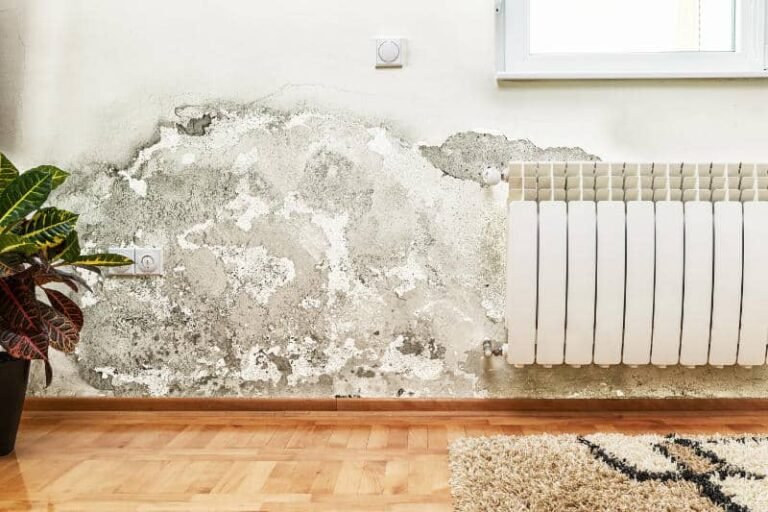
A leak, a burst pipe, a roof failure — water damage rarely happens on a convenient schedule. It shows up during a home sale process, right before a closing date, in the middle of a renovation timeline, or just as a family is trying to get a property ready for market. When water damage collides with a real deadline, the clock that matters most isn’t the calendar. It’s a much shorter one, measured in hours.
Table of Contents
Why the First 48 Hours Decide Everything
The most important number in any water damage situation is smaller than most people expect. If wet materials are dried within 24 to 48 hours after a leak or spill occurs, mold will not grow in most cases, according to the EPA’s guidance on mold, moisture, and your home. That window is the entire ballgame. Miss it, and a straightforward water extraction and drying job can turn into a much larger remediation project involving cutting out and replacing affected materials rather than simply drying them in place.
This matters enormously when a deadline is already in motion. A property under contract, a renovation on a fixed timeline, or a home preparing for a market listing doesn’t have the luxury of waiting to see whether mold develops. The response has to happen inside that 24-to-48-hour window regardless of what else is happening around the property, because everything downstream of that window — cost, scope, and timeline — depends on hitting it.
Why This Collides So Directly With Real Estate Deadlines
Water damage discovered during a home sale creates a specific kind of pressure, because mortgage lending itself has formal standards around exactly this issue. FHA-insured mortgages require that a property’s roof prevent moisture from entering and provide reasonable future utility, and appraisers must specifically identify and report significant water damage, structural problems, or moisture-related deficiencies that could affect the property’s marketability or the health and safety of its occupants, according to HUD’s appraisal and property requirements guidance. When water damage or moisture deficiencies show up during an appraisal or inspection, they don’t just create a repair conversation — they can directly affect whether a loan closes at all, and on what timeline.
This is exactly why water damage discovered mid-transaction creates so much anxiety for everyone involved. A buyer’s lender may require repairs to be completed and re-inspected before funding, a seller may face a choice between remediation, a price adjustment, or a delayed closing, and every day spent negotiating that decision is a day the damage itself continues sitting unaddressed — pushing the situation closer to, or past, the window where a manageable repair becomes a significantly larger one.
What This Looks Like Under Real-Time Pressure
A few patterns show up consistently when water damage meets a hard deadline:
The temptation to cover rather than fix. Painting over a stain or patching drywall without addressing the underlying moisture source is a fast, tempting shortcut — and one that reliably fails a subsequent inspection or re-appraisal, creating a worse delay than addressing the actual problem the first time.
Underestimating how fast the clock is actually running. A property owner focused on a closing date or move-in deadline can lose track of the fact that mold risk is measured in hours, not the weeks remaining until the transaction is supposed to close.
Treating documentation as optional. Buyers, lenders, and appraisers all expect clear evidence that a water issue was properly remediated, not just patched — without proper documentation, even genuinely completed repairs can stall a transaction simply because nobody can prove the work was done correctly.
Choosing speed over scope. A rushed, incomplete response that gets a property through an inspection can leave underlying moisture issues in place, setting up a second, larger problem down the line — sometimes after the deadline pressure that caused the rush has already passed.
What Actually Protects a Timeline
The property owners who navigate this well tend to do a few things differently:
Treat any water event as time-sensitive from the moment it’s discovered, regardless of how minor it initially looks or how much time remains before an unrelated deadline.
Get a genuine assessment, not a visual guess. Moisture readings and a proper inspection reveal what’s actually happening behind walls and under flooring — information a quick look can’t provide.
Address the source, not just the symptom. A repair that stops water intrusion and properly dries the affected area protects both the property and the timeline; a repair that only addresses visible staining protects neither.
Bring in help fast enough to matter. Given how narrow the effective response window actually is, waiting to “see how bad it is” before calling in support is often the single costliest decision in the entire process.
Where This Leaves Property Owners Under Pressure
Water damage and hard deadlines don’t have to be in direct conflict, but treating them as separate problems — dealing with the water now and worrying about the timeline later — is exactly how a manageable situation turns into a genuinely difficult one. Getting the right help early, from a team that understands both the technical urgency of water damage and the practical realities of a construction, renovation, or closing deadline, is what actually keeps both the property and the schedule intact.
For property owners across Massachusetts facing this exact collision of water damage and a real deadline, working with an experienced General Contractor & Construction Company in Massachusetts that handles both emergency restoration and the broader construction work around it means one team managing the full scope — rather than juggling separate contractors while the clock keeps running.
The Real Lesson in All of This
Water damage doesn’t wait for a convenient moment, and neither does the mold risk that follows it. The property owners who come through this kind of situation with their timeline intact aren’t the ones who got lucky — they’re the ones who treated the first 24 to 48 hours as the actual deadline that mattered, rather than letting an unrelated closing date or project schedule distract from the clock that was truly running out.


