

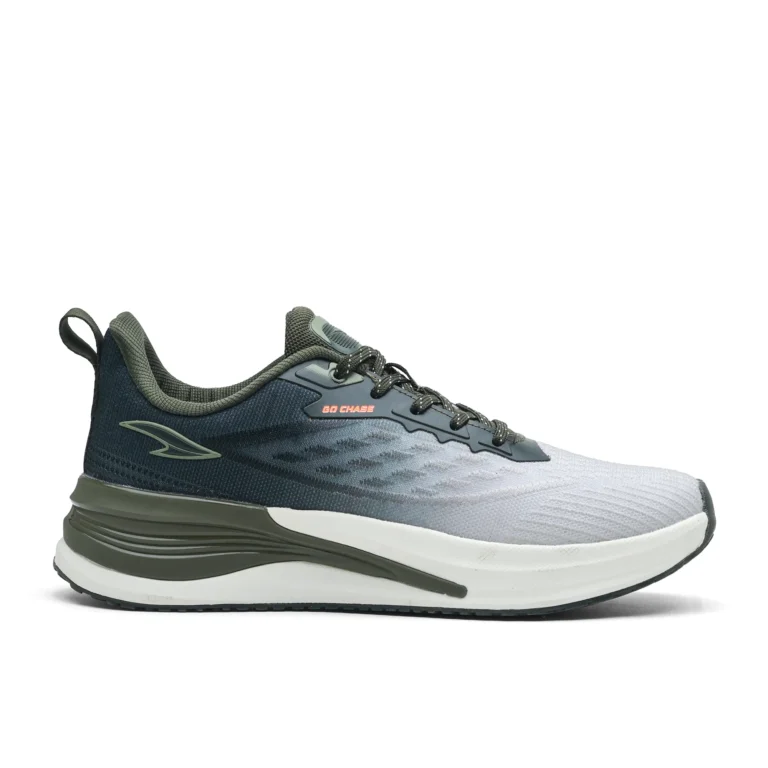
Buying running shoes looks easy. You like a pair, you check the size, you pay. Then a week later your feet feel sore, the heel slips, and the shoes sit by the door.
Most running shoe regrets come from a handful of avoidable slips. The good news is that every one of them is easy to sidestep once you know it exists. Get these right, and your next pair will feel good on day one and hold up for months.
Here are the mistakes to watch for, and how to choose better instead.
Table of Contents
What Are the Common Mistakes People Make?
Most running shoe regrets trace back to the same short list of slips. None of them are hard to avoid once you know they exist. These are the ones that catch people out most often.
Guessing the Size
Feet change over the years, and sizes vary between pairs. Never assume last year’s number still fits. Measure your foot at home and match it to a UK size chart before you buy. Indian sizing follows the UK convention, so an 8 UK is your reference point across pairs.
Ignoring Toe Room
Your feet swell a little when you run, so a snug fit in the shop can feel tight on the road. Leave about a thumb’s width at the front. Cramped toes are one of the fastest ways to earn blisters and sore feet on a long run.
Buying for Looks Over Fit
A sharp colourway is tempting, but style should come after fit and purpose. Pick the right shoe first, then choose the colour you like within that range. A pair that looks good and troubles your feet is no bargain.
Picking the Wrong Shoe for the Surface
Road, treadmill, and rough trails ask for different things. A smooth road pair skids on loose gravel, and a heavy trail pair feels clumsy on a treadmill. Think about where most of your runs happen before you buy, then pick a shoe made for that ground. The sole and upper you need change with the surface.
Running in Worn-Out Shoes
Old soles lose their bounce, so a tired pair slowly changes how you land. Replace your shoes once the cushioning feels flat and the grip fades, usually after several months of regular use. Holding on too long is a quiet mistake that creeps up on you.
A few smaller slips are just as easy to fix. Watch for these before you check out:
- Skipping the sock test: try shoes with the socks you actually run in, since thin and thick socks change the fit.
- Not checking returns: when you buy running shoes online, read the return policy first, so a size swap is simple.
- Chasing the price tag: the costliest pair is not always your best fit, and a well-made value pair can serve you better.
- Skimping on your first pair: if you are just starting, a comfortable, supportive pair beats a bargain that sits unused.
How Do You Choose the Right Running Shoes?
Avoiding the mistakes is half the job. The other half is a simple method you can run through every time you shop. Get these three things right, and the rest falls into place.
Start With Fit and Your Foot Type
Fit is the base everything else sits on. Measure your size, leave a thumb’s width at the toes, and notice how your foot lands. Some feet roll inward, some stay neutral, and the right shoe works with your natural step. Flat feet usually want more support through the middle, while a higher arch often prefers a softer, cushioned ride. If you are unsure of your type, a running store can watch your stride and steer you toward the right build.
Match the Pair to Your Surface
Once the fit is right, think about where you run most. A road pair, a treadmill pair, and a trail pair are each tuned for their own ground. Buying for your main surface keeps you steady and saves the shoe from wearing out early.
Here is a quick way to match your usual runs to what matters most:
| Where you run | What to look for | Handy for |
| City roads and pavements | Cushioned midsole, breathable upper | Daily commute runs |
| Treadmill and gym | Lightweight build, flexible sole | Indoor sessions |
| Parks and light trails | Grippy outsole, durable upper | Weekend outdoor runs |
Get the Cushioning Right
Cushioning is what stands between your feet and hard tarmac. Too little on hard surfaces and your legs tire fast, and the effect adds up over a long run. A cushioned midsole designed for daily miles keeps longer runs easier on the body and softens each landing on concrete. New runners in particular do well to start with a bit more cushioning while their legs adjust to the repeated impact.
If you are new to running, a cushioned, comfortable pair is a friendly place to start. Running is one of the simplest ways to stay active, and a pair that feels good removes one excuse to skip it.
For everyday runs, a set of purpose-built sports shoes covers most sessions, from the daily commute jog to a weekend loop in the park. The trick is to pick a pair made for how and where you run most. Get that right, and one pair will earn its place through the week.
Run Easy in a Pair That Fits
The fix for most running shoe mistakes is simple. Measure your size, match the pair to your surface, mind the cushioning, and buy where returns are easy. Do that, and you skip the sore feet and the wasted money.
Comfort and value can sit together. A durable pair built for Indian roads and weather earns its place over many months, not a few runs.
Ready for a better fit? View the running shoe range at Asian Footwears. Every order comes with Free Delivery and Hassle-Free Returns, and Asian Flash brings your pair in 60 minutes across supported pincodes.
Buy Now and become an AsianRider.
FAQs
How much room should running shoes have?
Leave about a thumb’s width between your longest toe and the front of the shoe. Your feet swell as you run, so a little extra room keeps them comfortable over distance.
Should I size up in running shoes?
Often, yes. Many runners go half a size up from their regular fit to allow for foot swelling. If you are between sizes, the larger one is usually the safer pick.
How often should I replace running shoes?
Replace them once the cushioning feels flat and the grip wears down, which is usually after several months of regular use. Worn soles change how you land.
Can I buy running shoes online safely?
Yes, if you measure your foot first and check the return policy. Buying running shoes online works well when a size swap is simple and free.
Are expensive running shoes always better?
No. Price does not guarantee the right fit. A well-made value pair that matches your foot and surface often serves you better than a costlier one.
What running shoes are best for beginners?
Start with a cushioned, comfortable pair with a breathable upper and a secure fit. Save the lighter, race-style shoes for when you build up your distance.


