

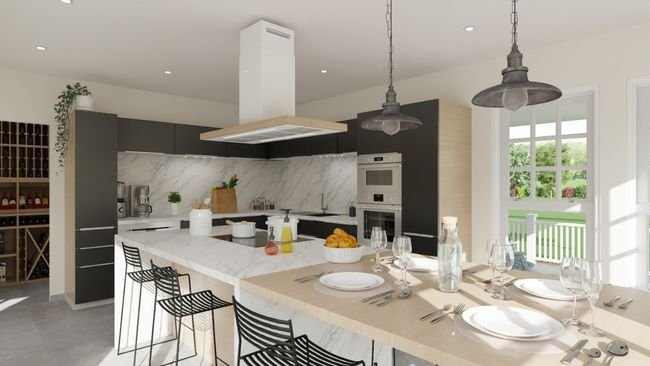
You’ve probably seen it happen at every gathering. The living room has comfortable couches, soft lighting, and plenty of space. Yet somehow everyone ends up crammed into the kitchen, leaning on counters, snacking, and talking over the sound of the dishwasher. It never fails.
There’s a reason for that. The kitchen is where the action is. It’s warm, it smells good, and it’s where people naturally connect. Over time, it’s become the true heart of the home, far more than just a place to cook dinner.
That’s why kitchen design Denver, CO homeowners invest in goes way beyond picking cabinets and appliances. A great kitchen has to handle cooking, conversation, homework, entertaining, and everything in between, all without feeling cramped, chaotic, or awkward to use.
Table of Contents
How the Kitchen Became the Center of Modern Home Life
Kitchens used to be tucked away, closed off from the rest of the house. Cooking happened behind the scenes, and guests stayed in the formal living room. That model has mostly disappeared, replaced by open, connected spaces where the kitchen sits front and center.
Today’s kitchens pull double, triple, even quadruple duty. Kids do homework at the island. Parents catch up on emails while dinner simmers. Friends gather around with drinks before a meal. The room has become command central for family life.
Remote work has added another layer. Many people now take calls or answer messages from a kitchen stool. That shift means kitchens need to support more than meals. They need seating, outlets, good lighting, and a layout that keeps everyone comfortable at once.
The Invisible Design Decisions That Make a Kitchen Feel Effortless
The best kitchens feel easy, even if you can’t explain why. A lot of that comes down to workflow. When the fridge, sink, and cooktop are placed thoughtfully, cooking becomes smoother, with fewer steps and less backtracking across the room.
Circulation matters too. Walkways need enough space for multiple people to move without bumping into each other. If the main path to the back door runs right through the cooking zone, dinner prep can quickly turn into a traffic jam.
Storage placement and counter space round out the picture. Dishes near the dishwasher, spices near the stove, and plenty of prep space next to the sink all reduce unnecessary movement. Smart appliance positioning makes daily routines feel natural instead of frustrating.
Why Beautiful Kitchens Sometimes Fail in Everyday Life
A kitchen can look stunning in photos and still drive you crazy. Insufficient storage is a common culprit. Gorgeous open shelving looks great until there’s nowhere to hide small appliances, pots, and the mountain of plastic containers every household accumulates.
Poor lighting is another classic mistake. A single overhead fixture can leave countertops shadowy right where you’re chopping vegetables. Task lighting under cabinets and over islands makes a huge difference, both for safety and for simply enjoying the space.
Crowded walkways, impractical islands, and the wrong finishes round out the list. An island that’s too big can block movement, while one without seating may miss a big opportunity. Delicate finishes that look beautiful may not survive busy family life. Function and style have to work together.
Designing Around the People Who Actually Use the Space
The best kitchens start with real habits. Do you cook elaborate meals every night or mostly reheat leftovers? Do multiple people cook at once? Answering these questions helps shape layout, storage, and appliance choices around actual routines.
Family size and entertaining style matter too. A big family may need extra seating and storage, while frequent entertainers may want a larger island or a beverage station. Thinking about how the space gets used on both busy weekdays and relaxed weekends helps guide smart decisions.
Accessibility and comfort deserve attention as well. Counter heights, drawer placement, and clear walkways can make kitchens easier to use for everyone, including aging family members. Balancing aesthetics with practicality creates a space that looks great and feels great to use every day.
Planning a Kitchen Remodel That Stays on Track
A kitchen remodel is one of the biggest projects most homeowners ever take on, so planning ahead pays off. Before any cabinets come down, it helps to set a realistic budget and decide which features are must-haves and which are nice-to-haves. That list makes it much easier to make smart trade-offs when costs add up or surprises appear behind the walls.
Timing matters too. Living without a working kitchen for weeks can be stressful, especially for busy families. Setting up a temporary kitchen in another room with a microwave, coffee maker, and a few basic supplies can make the process far more manageable. Planning the remodel around holidays, school schedules, or big family events also helps avoid unnecessary headaches.
Working with experienced designers and contractors makes a big difference. They can spot layout problems early, suggest materials that fit both your style and your budget, and coordinate the many trades involved, from plumbing and electrical to flooring and finish work. Clear communication and a detailed plan keep everyone on the same page and help prevent costly changes halfway through.
Finally, take time to look at the finished design from every angle before construction begins. Walk through a typical morning, a busy weeknight dinner, and a holiday gathering in your mind. If the layout supports all three, you’re on the right track toward a kitchen that truly works for your household.
Conclusion
Everyone ends up in the kitchen for a reason. It’s where meals happen, conversations flow, and family life unfolds. Designing that space well means thinking far beyond cabinets, countertops, and appliances. People come first, finishes second.
Smart workflow, generous storage, good lighting, and comfortable circulation make a kitchen feel effortless. Avoiding common mistakes and designing around the people who actually use the room helps ensure that beauty doesn’t come at the expense of everyday function.
A great kitchen makes life happen more naturally. When the design supports your routines, relationships, and comfort, it becomes more than a place to cook. It becomes the place everyone wants to be, whether there’s food on the stove or not.


