

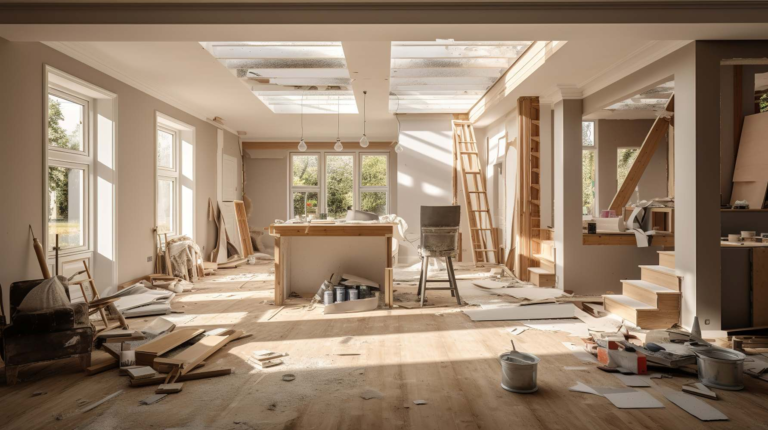
Undertaking a full-scale home renovation can be a significant endeavor that requires meticulous planning and a clear vision. Modern upgrades can enhance the aesthetic appeal and functionality of a living space , increase property value, and improve energy efficiency. A systematic approach, grounded in a comprehensive checklist, is essential for navigating the complexities of such a project, ensuring that no critical detail is overlooked from conception to completion.
Here’s a complete home renovation checklist for modern upgrades:
Table of Contents
Phase 1: Pre-Planning and Design
A robust plan is the cornerstone of any successful renovation. This initial phase involves the following:
Define Goals and Scope
Clearly articulate the primary objectives. Is the goal to create an open-concept living area, add square footage, or improve accessibility? Determining which areas of the home will be affected is crucial for setting boundaries.
In this case, seeking assistance from reputable professionals can help you define goals and scope more effectively for your complete home renovation project.
Develop Preliminary Designs and Investigate Permits and Regulations
Work with an architect or designer to translate ideas into preliminary sketches and floor plans. This step can help visualize spatial relationships and flow. Also, contact the local building department to understand necessary permits, zoning laws, and historical district restrictions. Failure to obtain proper permits can result in fines and complications during a future sale.
Establish a Comprehensive Budget and Secure Financing
A detailed budget must account for all foreseeable expenses, including materials, labor, permits, and design fees. It’s prudent to allocate an additional 15-20% as a contingency fund for unexpected issues, which commonly arise in a home renovation project.
Furthermore, explore financing options such as home loans, construction loans, or cash reserves. Securing funding upfront prevents project delays.
Phase 2: Assembling the Team and Materials
The quality of a renovation is directly tied to the professionals executing it and the materials selected. Here’s how to assemble the team and materials:
Solicit Multiple Bids and Verify Credentials and References
Obtain at least three detailed bids from licensed, insured, and well-reviewed contractors. Bids should include a line-item breakdown of costs and a projected timeline. Check contractor licenses, insurance coverage, and portfolios. Speaking to past clients can provide invaluable insight into a contractor’s reliability and workmanship.
Finalize Contracts and Select and Order Materials:
A legally binding contract should outline the project scope, payment schedule, timeline, warranty details, and procedures for handling change orders. Moreover, choose finishes, fixtures, and major appliances early in the process. Given potential supply chain delays, ordering long-lead items like windows, cabinetry, or specialty tiles well in advance is critical.
Phase 3: Structural and Systems Work
This phase involves the core, often unseen, upgrades that ensure the home’s longevity, safety, and efficiency. These include:
Demolition and Site Preparation and Address Structural Repairs
Safely remove existing structures as outlined in the plans. Proper dust containment and debris removal are essential. Reinforce foundations, repair floor joists, or install new support beams as required. This isn’t the place to cut corners.
Update Critical Systems and Improve Insulation and Air Sealing
Modernizing electrical, plumbing, and HVAC systems is a paramount upgrade. This includes installing ample circuits for modern technology, upgrading to PEX plumbing, and considering energy-efficient HVAC solutions like heat pumps.
Also, enhancing insulation in walls, attics, and basements, coupled with proper air sealing, can dramatically improve comfort and reduce energy consumption, a hallmark of a modern, sustainable home.
Install Windows and Doors
High-performance, energy-efficient windows and doors are pivotal upgrades for thermal performance and comfort. Installing energy-star rated products can significantly reduce heating and cooling costs by minimizing air leakage. These units also create a quieter interior by dampening external noise.
Lastly, modern designs incorporate advanced locking mechanisms and reinforced materials, substantially improving a home’s overall security and resistance to intrusion.
Phase 4: Interior and Exterior Modern Finishes
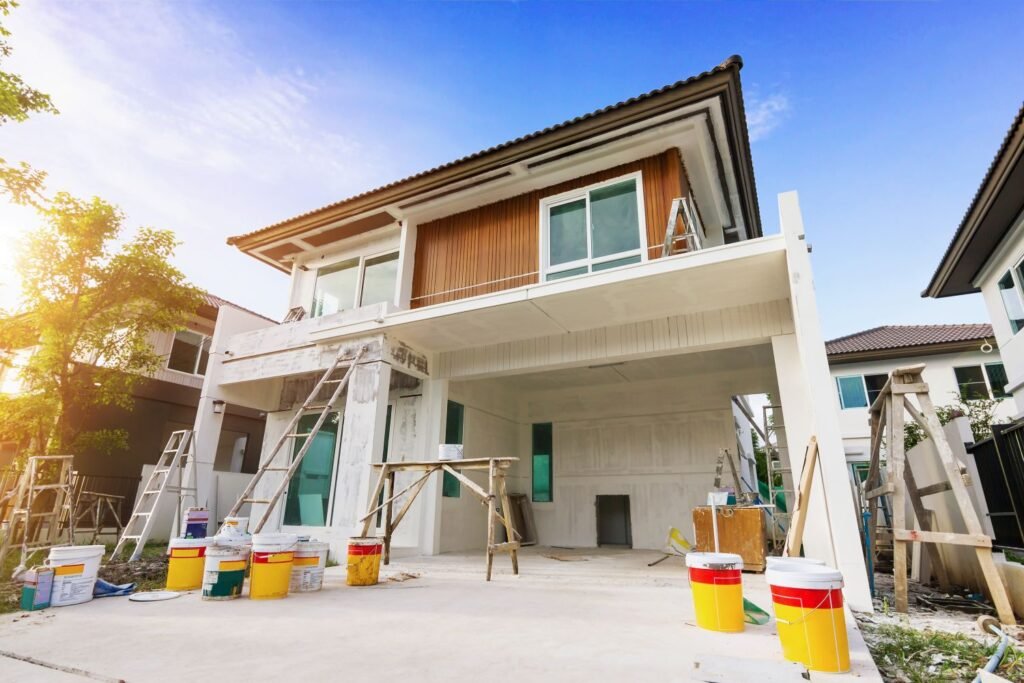
With the structure sound and systems in place, the focus shifts to the visible elements that define the home’s character. These include:
Drywall, Plastering , and Flooring Installation
Install, tape, and finish drywall to create smooth walls and ceilings. Consider modern textures or specialty finishes. Install chosen flooring, whether engineered hardwood, luxury vinyl plank, tile, or polished concrete. Proper subfloor preparation is key to a quality result.
Cabinetry and Built-Ins and Painting and Wallpaper
Install kitchen cabinets, bathroom vanities, and custom built-in storage. Modern trends favor clean lines, soft-close mechanisms, and functional storage solutions. On the other hand, apply primer and paint in the chosen color palettes. Feature walls with textured wallpaper or bold colors can add contemporary flair.
Fixture and Appliance Installation and Exterior Upgrades
Install lighting fixtures, faucets, shower systems, and major appliances. Smart home integrations, such as programmable thermostats and smart locks, are installed here. Additionally, address siding, roofing, gutters, and landscaping. Modern exteriors often utilize durable, low-maintenance materials like fiber cement siding and metal roofing.
Phase 5: Final Details and Inspection
The project concludes with finishing touches and official sign-offs. These include:
Install Trim and Hardware and Final Inspections
Attach baseboards, crown molding, door handles, cabinet pulls, and other decorative hardware. These details can provide a polished look. Schedule and pass all required final inspections from the local building authority to ensure the work meets code.
Deep Cleaning and Punch List Walkthrough
Conduct a thorough, post-construction clean to remove dust and debris from every surface and crevice. Perform a detailed walkthrough with the contractor to identify any minor defects, incomplete items, or touch-ups needed. Address all points before making the final payment.
Key Takeaway
Adhering to a structured checklist can transform an overwhelming renovation into a manageable series of steps. By keeping the information mentioned above in mind, homeowners like you can invest in a property that’s beautiful, functional, and built for efficiency and resilience in the contemporary world. The result is a seamlessly updated home that meets the demands of modern living for years to come.


