

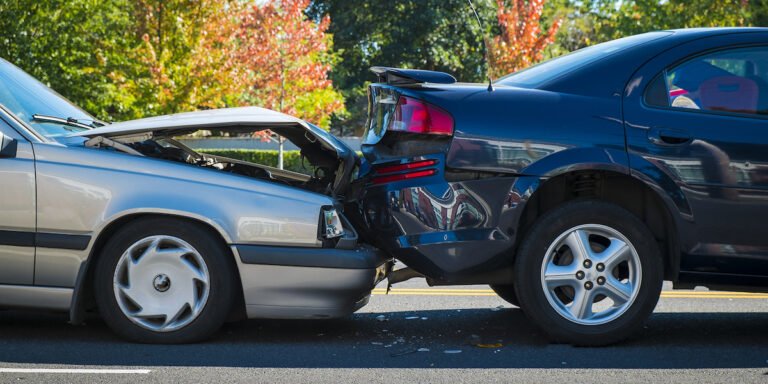
A car crash in New Jersey can shock you, even if no one seems hurt. You may feel fear, anger, or numb confusion. You still need to act fast. Your steps in the first few minutes can protect your health, your money, and your legal rights. This guide walks you through what to do at the scene, what to say, what to avoid, and when to call for help. You will learn how to collect proof, work with police, and notify your insurance company without risking your claim. You will also see when you should speak with a lawyer and how a firm like chamlinlaw.com may support you. You cannot control the crash. You can control what you do next.
Table of Contents
1. Stay safe and check for injuries
First, breathe. Then look for danger.
- Turn on your hazard lights.
- Move your car out of traffic if you can do that safely.
- If the car cannot move, stay inside with your seat belt on until help comes, unless there is fire or smoke.
Next, check everyone for pain or bleeding. Some wounds hide at first. Neck and back pain can grow over time. Call 911 if anyone feels pain, feels dizzy, or hit a head.
The New Jersey Motor Vehicle Commission explains that you must report crashes with injury or at least $500 in damage. You can read more at https://www.state.nj.us/mvc/drivertopics/accidents.htm.
2. Call 911 and stay calm with police
Call 911 even if the crash seems small. Tell the operator:
- Your exact location.
- How many cars are in the crash.
- Whether anyone is hurt or trapped.
When police arrive, speak clearly. Give facts. Do not guess. If you do not know an answer, say you do not know. You do not need to accept blame at the scene.
Ask how to get a copy of the crash report. This record can support your claim. It can show who was involved and where and when the crash took place.
3. Exchange information the right way
Share only what you must. Swap this with each driver:
- Name and phone number.
- Address.
- Driver’s license number.
- License plate number.
- Insurance company name and policy number.
Also ask for contact information for any witnesses. Take a quick photo of their license or business card if they agree.
Do not argue. Do not talk about fault. A simple “We will let the insurance companies handle this” can protect you.
4. Gather proof before it disappears
Scenes change fast. Skid marks fade. Cars move. You can still save proof with your phone.
- Take photos of all cars from many angles.
- Take close photos of damage, broken glass, and road signs.
- Photograph weather, road work, and traffic lights.
- Record short videos walking around the scene.
Also write down:
- Time and date.
- Weather and road condition.
- What you remember about how the crash started.
Do this as soon as you can. Memory fades fast after stress.
5. Seek medical care even if you feel fine
Crashes strain your body. Pain can wait hours or days to show. A doctor can find quiet wounds and help you heal.
The Centers for Disease Control and Prevention explains that car crashes often cause hidden head and neck trauma. A quick exam can spot warning signs. It can also create a record that links your pain to the crash.
Keep every record from your visit. Save discharge papers, test results, and receipts. These can support an insurance claim.
6. Report the crash to your insurance company
Call your insurance company as soon as you can. Many policies require fast notice. When you call, you can:
- Share the date, time, and place.
- Give the other driver’s name and policy number.
- Describe damage and known injuries.
Stay honest and brief. You can say you are still under care. You can say you will share more records later. If an adjuster from the other driver’s company calls, you can choose not to give a recorded statement until you speak with a lawyer.
7. Know New Jersey’s no fault rules
New Jersey uses a no fault system for many crashes. That means your own Personal Injury Protection covers your medical bills first, no matter who caused the crash. Yet you may still step outside no fault in some cases.
New Jersey Crash Insurance Basics
| Topic | What it means for you |
|---|---|
| Personal Injury Protection (PIP) | Pays your medical costs up to your limit. You must use it before other coverage. |
| Property damage claims | You can seek payment from the driver who caused the crash for car repair and other damage. |
| Limited vs unlimited right to sue | Your policy choice can affect when you can sue for pain and suffering. A lawyer can explain your options. |
| Time limits | You have strict deadlines to file claims or lawsuits. Waiting can erase your rights. |
8. Protect your rights after you go home
Once you leave the scene, you can still guard your claim.
- Save all bills, receipts, and medical notes.
- Keep a simple journal of pain, sleep problems, and missed work.
- Do not post details or photos about the crash on social media.
If an insurance company sends forms or asks you to sign, read each page. You can ask questions. You can say you want a lawyer to review the forms first.
9. When to contact a New Jersey car accident lawyer
You may handle a minor fender bender on your own. Still, you should think about calling a lawyer when:
- You feel any pain, stiffness, or headache.
- Your car has heavy damage.
- The police report seems wrong.
- An insurance company blames you or pressures you to settle fast.
A lawyer with New Jersey crash experience can explain your rights under state law. A team like chamlinlaw.com can review your case, speak with insurers, and seek fair payment.
10. Take back control
A crash can shake your sense of safety. You cannot change what happened. You can take strong steps today. Stay safe at the scene. Call 911. Gather proof. Seek care. Report the crash. Then ask for legal help if you feel unsure.
Each clear step gives you more control. It also protects your family, your health, and your future.


