

Arms workouts often look simple from the outside. A few curls, some push-ups, maybe a resistance band or two—and you’re done. But many people walk away from these sessions feeling like they’ve put in the time without really feeling the muscles work. That’s where arms trainers can make a noticeable difference.
Used correctly, arm trainers help improve muscle engagement, making short workouts feel more effective and intentional. The key isn’t working harder—it’s learning how to work smarter.
Table of Contents
What Muscle Engagement Really Means (and Why It Matters)
Muscle engagement is simply about how well your muscles activate during movement. You can go through the motions of an exercise without fully engaging the target muscles, especially if you’re tired, distracted, or rushing.
Think of it like typing on a keyboard. You can tap keys randomly and still produce text, but accuracy and efficiency come from intention and control. Your muscles behave the same way. When they’re properly engaged, they work more efficiently and respond better over time.
Arms trainers help bring awareness to muscle activation. They encourage your arms to contract more deliberately, even during short sessions. This is particularly helpful for people who struggle to “feel” their arms working during traditional exercises.
Why Arms Trainers Work Well for Real Life
One of the biggest challenges with fitness is fitting it into everyday routines. Long gym sessions aren’t always realistic, and complicated programs often get abandoned.
Arms trainers are effective because they reduce friction. You don’t need a full workout setup or perfect conditions. Short sessions can be done at home, during breaks, or even while multitasking with light activities.
This idea shows up across industries. In education, microlearning helps people retain information better by breaking lessons into small chunks. In terms of productivity, short, focused work sessions often outperform long, unfocused ones. Fitness benefits from the same approach.
By making arm workouts easier to start and easier to finish, arm trainers support consistency—and consistency is where real progress comes from.
How to Use Arms Trainers for Better Results
Using arm trainers effectively doesn’t require complex techniques; intention matters.
Start with posture. Sit or stand tall, shoulders relaxed, core lightly engaged. This helps prevent other muscles from taking over and keeps the focus on your arms.
Next, focus on slow, controlled movements or contractions. Rushing through a session reduces effectiveness. Think of squeezing the muscle gently but deliberately, then releasing with control. This helps build the mind–muscle connection—the awareness that tells your body which muscles should be doing the work.
Breathing also plays a role. Steady breathing helps prevent tension from creeping into your neck or shoulders. Inhale naturally, exhale as you contract. This small detail often improves comfort and control.
Arms trainers are especially helpful for targeting areas that don’t always get enough attention during compound movements. Over time, better engagement can lead to improved strength, tone, and coordination.
Short Sessions Can Still Be Effective
There’s a common belief that workouts only count if they leave you exhausted. But many industries have learned that efficiency often beats excess.
In manufacturing, precision matters more than speed. In cooking, slow heat often produces better results than high flames. Fitness follows the same logic.
Short, focused sessions using arms trainers can be surprisingly effective because they reduce fatigue and improve consistency. Instead of pushing too hard once a week, you’re supporting your muscles regularly with manageable effort.
This approach is also easier on joints and reduces the risk of burnout. When workouts feel achievable, people are more likely to stick with them—and that’s where long-term improvement happens.
Understanding the Role of Muscle Stimulation
Some arms trainers use methods inspired by electrical muscle stimulation, a technique long used in rehabilitation and athletic training. In simple terms, it helps muscles contract more deliberately, even during low-impact sessions.
This doesn’t replace movement or strength training, but it can enhance muscle awareness and activation when used alongside an active lifestyle. Think of it as a support tool rather than a shortcut.
Used properly, it helps muscles “wake up,” especially in people who spend long hours sitting or working at a desk.
Making Arms Training a Habit, Not a Chore
One reason people stop exercising is mental fatigue. When routines feel complicated or demanding, motivation drops.
Arms trainers simplify the process. Sessions are short. Setup is minimal. Progress feels steady rather than overwhelming. This makes it easier to turn arm training into a habit instead of a task you constantly postpone.
It’s similar to daily stretching. Five minutes a day may not feel dramatic, but over time, it improves mobility and comfort. Arms training works the same way—small, regular actions lead to noticeable changes.
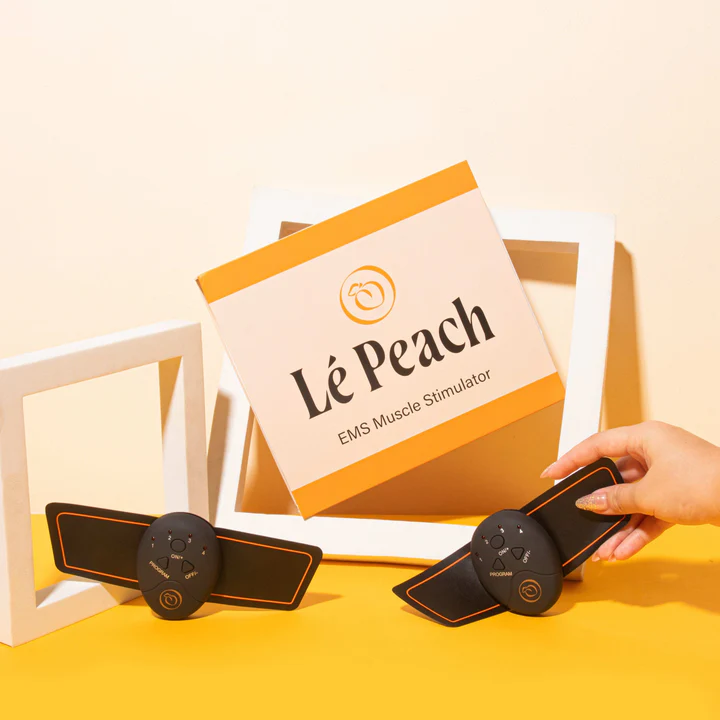
If you’re exploring ways to make arm workouts more approachable, checking options like arms trainers by Le Peach can help you see how these tools fit into simple, realistic routines.
Common Mistakes to Avoid
One mistake people make is overdoing it early. More intensity isn’t always better. Start with shorter sessions and gradually increase as your muscles adapt.
Another mistake is multitasking too aggressively. While arm trainers can be used during light activities, they still require some focus. If your posture collapses or movements become sloppy, effectiveness drops.
Lastly, don’t ignore recovery. Muscles respond to rest just as much as effort. Short daily sessions should feel supportive, not draining.
Better Engagement Leads to Better Outcomes
At the heart of arms training isn’t equipment—it’s awareness. Arms trainers help bridge the gap between effort and effectiveness by improving how muscles engage during movement.
They support short, consistent sessions that fit into real life. They reduce guesswork. And they help people feel more connected to what their bodies are doing.
When muscle engagement improves, workouts feel more purposeful. Progress feels steadier. And fitness stops feeling like something you have to force yourself to do.
That’s what makes arms trainers practical—not because they promise instant results, but because they support habits that last.


