

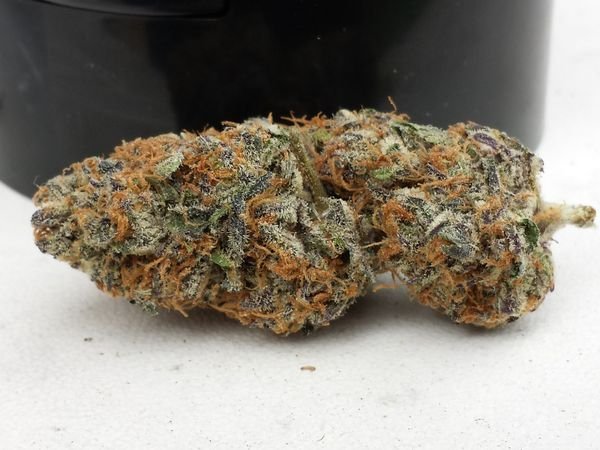
The indica market is crowded. Hindu Kush, Bubba Kush, Northern Lights, Purple Kush: all legitimate profiles with their own followings. So what makes Afghan Kush special? Why do serious formulators and consumers keep returning to this specific profile?
The answer lies in understanding how Afghan Kush’s terpene profile differs meaningfully from other indica options. This kind of comparative analysis is exactly what thoughtful cannabis guest post contributors explore: moving beyond surface-level descriptions to actual, measurable differences. Today, we’re examining what makes Afghan Kush unique in the indica landscape.
Table of Contents
Understanding the Indica Category
First, let’s establish what we’re comparing. “Indica” is a genetic classification, not a terpene profile. Multiple different terpene profiles can produce indica effects. However, certain terpene combinations are more reliably associated with indica characteristics:
- High myrcene: 30%+ tends toward relaxing, sedative effects
- Present caryophyllene: Adds warmth and body effects
- Lower limonene: Less citrus brightness, more grounding
- Pinene presence: Supports the herbal character
Afghan Kush fits this profile perfectly. But many indicas do. The question is: what’s different?
Afghan Kush vs Hindu Kush
The Genetic Relationship
Hindu Kush and Afghan Kush are closely related. Both originate from the Hindu Kush mountain range. Both are pure indicas without sativa influence. The question is: how do their terpene profiles differ?
Terpene Profile Comparison
Afghan Kush:
- Myrcene: 35-45% (dominant)
- Caryophyllene: 8-15% (significant)
- Pinene: 3-8% (supporting)
- Profile character: Earthy, hash-like, warm
Hindu Kush:
- Myrcene: 30-40% (dominant but less so)
- Caryophyllene: 8-12% (present)
- Pinene: 4-10% (more prominent)
- Profile character: Earthy, herbaceous, slightly more piney
The Practical Difference
Afghan Kush feels more settled and grounding. The higher myrcene and lower pinene create a heavier, more sedative experience. It’s the “couch-lock” choice.
Hindu Kush is slightly more balanced. The higher pinene content prevents it from feeling quite as heavy. It’s relaxing but not narcotic.
Formulation Implication: Use Afghan Kush for evening and sleep products. Use Hindu Kush when you want relaxation with slightly more clarity.
Afghan Kush vs Northern Lights
The Contrasts
Northern Lights is a famous pure indica, but it’s a completely different genetic lineage (Thai x Afghan x Hawaiian hybrid history, despite being 100% indica).
Terpene Profile Comparison
Afghan Kush:
- Myrcene: 35-45%
- Caryophyllene: 8-15%
- Distinctive hash aroma
- Pure Afghan landrace genetics
Northern Lights:
- Myrcene: 25-35% (less dominant)
- Limonene: 10-20% (more present)
- Caryophyllene: 5-10% (less)
- Profile character: Earthy with citrus notes, less hash-like
The Practical Difference
Afghan Kush is earthier, more sedative, more hash-like. It’s pure, no-frills relaxation.
Northern Lights is slightly brighter due to limonene presence. It’s still relaxing but less purely grounding. Some people prefer the slight brightness.
Formulation Implication: Afghan Kush is the pure indica choice. Northern Lights works if you want indica effects with slightly more sensory interest.
Afghan Kush vs Bubba Kush
The Modern vs Landrace Comparison
Bubba Kush is a more modern cultivar (bred in 1996) compared to Afghan Kush’s centuries of cultivation. This history shows in their profiles.
Terpene Profile Comparison
Afghan Kush:
- Myrcene: 35-45%
- Caryophyllene: 8-15%
- Pinene: 3-8%
- Profile character: Earthy, herbal, hash-forward
Bubba Kush:
- Myrcene: 30-40% (less dominant)
- Caryophyllene: 8-12%
- Linalool: 2-5% (floral notes)
- Profile character: Earthy, sweet, dessert-like
The Practical Difference
Afghan Kush tastes like cannabis and earth: authentic, no-frills.
Bubba Kush has sweeter, dessert-like notes. Some call it “coffee and chocolate” notes. It’s more engineered toward palatability.
Formulation Implication: Use Afghan Kush when you want heritage authenticity. Use Bubba Kush when you want palatability and appeal to broader consumers.
Afghan Kush vs Purple Kush
The Color Connection
Purple Kush gets its name from anthocyanin pigments, not terpenes. But the strains are different.
Terpene Profile Comparison
Afghan Kush:
- Myrcene: 35-45%
- Caryophyllene: 8-15%
- Pinene: 3-8%
- Profile character: Earthy, hash-like, warm peppery
Purple Kush:
- Myrcene: 32-42%
- Caryophyllene: 8-12%
- Limonene: 5-12% (adds citrus)
- Profile character: Sweet, fruity, earthy
The Practical Difference
Afghan Kush is the purest earth experience: minimal sweetness, pure grounding.
Purple Kush has fruitier, sweeter notes. The limonene creates a more complex sensory experience.
Formulation Implication: Afghan Kush for straightforward relaxation products. Purple Kush when you want complexity and appeal.
What Makes Afghan Kush Uniquely Valuable
After comparing across the indica spectrum, Afghan Kush’s unique advantages become clear:
Genetic Purity
Afghan Kush is a pure landrace indica. Not a hybrid, not an engineered cross: a genuine, unmodified genetic line that’s been cultivated for centuries. This purity creates:
- Authenticity: Consumers recognize this as the “real thing”
- Consistency: Purity means less genetic variability
- Heritage positioning: Centuries of cultivation is a marketable story
- Cultural respect: Afghan Kush is revered in cannabis culture
Other indicas may have been hybridized or modified. Afghan Kush’s purity is increasingly rare.
Proven Performance
Afghan Kush has a centuries-long track record. People know what to expect. It’s not an experiment, it’s a time-tested profile.
This predictability is valuable for:
- Consumer expectations: People know what they’re getting
- Formulator confidence: You can promise reliability
- Market positioning: Heritage and proven performance command respect
- Brand building: Products people trust and return to
Terpene Balance
Afghan Kush’s terpene profile is naturally balanced for:
- Effect delivery: Myrcene dominant but supported by caryophyllene and pinene
- Aroma appeal: Earthy but complex, not one-dimensional
- Palatability: Distinctive taste that people find satisfying
- Therapeutic potential: Multiple beneficial terpenes working together
This balance isn’t accident, it’s the result of natural selection favoring the terpene ratios that people valued most.
Market Demand
There’s genuine, measurable demand for Afghan Kush specifically:
- Evening market: Growing consumer base seeking sleep and relaxation support
- Cannabis culture: Respected in enthusiast communities
- Wellness positioning: Fits perfectly in relaxation and rest narratives
- Premium pricing: Consumers will pay more for authentic Afghan Kush
Other indicas don’t carry the same market pull as Afghan Kush.
When You Might Choose Other Indicas Instead
To be fair, there are scenarios where Afghan Kush isn’t the optimal choice:
Want More Brightness?
If you want relaxation without pure sedation, Hindu Kush or Purple Kush offer more limonene and pinene for slightly more mental clarity.
Targeting Palatability?
If your consumers want sweeter, dessert-like flavors, Bubba Kush or Purple Kush offer more appeal to mass-market tastes.
Seeking Unique Positioning?
If you want to differentiate through a less common profile, other indicas might offer more novelty. Afghan Kush is popular: sometimes that means less differentiation.
Budget Constraints?
Some other indica profiles might source at lower cost. Afghan Kush’s demand can affect pricing.
But for most professional formulators prioritizing quality, authenticity, and market-proven demand, Afghan Kush is the optimal choice.
Building Your Afghan Kush Positioning Strategy
Understanding how Afghan Kush differs from competitors helps you position effectively:
Lead with Authenticity
“Pure indica genetics from the Hindu Kush mountains. Unchanged for centuries. No modification, no hybridization: just authentic relaxation.”
This story is true and compelling.
Emphasize Proven Performance
“Afghan Kush has a proven track record spanning centuries. Users know what to expect, and they keep returning.”
Trust is a powerful selling point.
Highlight the Terpene Science
“Myrcene-dominant profile optimized for deep relaxation and sleep support. Caryophyllene for body comfort. Pinene for clarity.”
Educated consumers appreciate terpene-level discussion.
Differentiate Through Quality
“We source from a best terpene company that prioritizes authentic Afghan Kush profiles. Consistency and quality you can count on.”
Quality differentiation is sustainable.
The Competitive Advantage of Afghan Kush
When you choose Afghan Kush as your flagship indica, you’re choosing:
- Proven demand: A profile consumers actively seek
- Heritage storytelling: Centuries of cultivation you can market authentically
- Terpene science: Balanced profile that delivers multiple benefits
- Cultural respect: Revered in cannabis communities
- Premium positioning: Quality and authenticity command premium pricing
These advantages compound over time as you build brand recognition around Afghan Kush authenticity.
Sourcing for Competitive Advantage
Your Afghan Kush sourcing directly impacts competitiveness. When choosing a best terpene company:
- Verify authenticity: Confirm terpene percentages match genuine Afghan Kush standards
- Demand consistency: Batch-to-batch reliability is how you build customer loyalty
- Prioritize purity: No adulterants or compromised formulations
- Build relationships: A good supplier becomes a competitive asset
Your supplier choice directly influences product quality and customer satisfaction.
Final Thoughts
In a crowded indica market, Afghan Kush stands out for good reason: authentic heritage genetics, proven performance, balanced terpene profile, and genuine market demand. When you understand how Afghan Kush differs from competitive profiles and position accordingly, you’re making a sustainable business choice.
The formula is straightforward: source authentic Afghan Kush from a quality best terpene company, formulate with respect for the profile, communicate authenticity honestly, and build products that deliver on the promise.
That’s how you build a successful Afghan Kush product line.


