

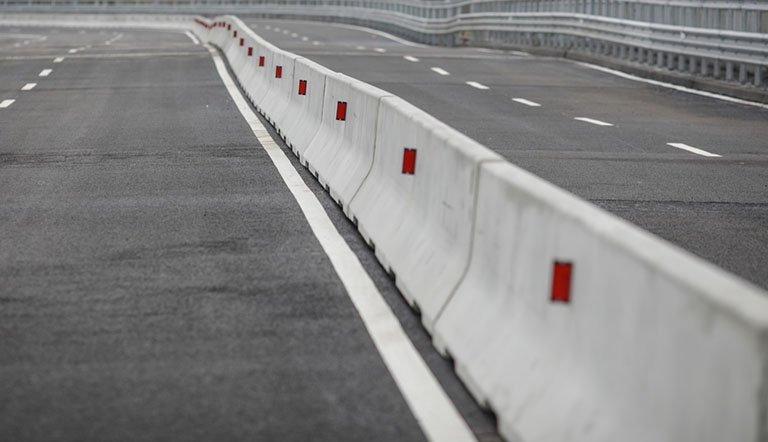
Concrete barriers are necessary for traffic control, site protection, and long-term infrastructure projects. They help manage safety and stability in both permanent and temporary settings. Understanding which types deliver the best balance of strength, cost, and flexibility helps create secure and efficient project layouts.
Different barrier designs meet different goals, from fixed security installations to movable solutions for short-term use. With options that range from decorative models to those built to resist corrosion and vandalism, selecting the right type matters for both function and appearance. This article explores five of the best concrete barriers that support safety and cost-effective performance on any project.
Table of Contents
Permanent concrete barriers for long-term infrastructure security
Permanent concrete barriers protect highways, bridges, and high-traffic zones that need continuous separation. Their heavy structure helps absorb vehicle impact and lowers maintenance needs over time. These barriers can last for decades if installed and maintained properly.
They suit both public and private projects that call for strong, long-term safety measures. Engineers use them to divide lanes, stop wrong-way traffic, and guard work zones from accidents. Many designs include interlocking joints that keep barriers aligned on uneven ground.
Suppliers that offer affordable concrete barriers by 48 Barriers provide cost-saving choices for large-scale installations. Customers can select new or used barriers based on their budget and project goals. This flexibility makes permanent barriers both practical and economical.
Across large sites, concrete barriers also serve as perimeter protection or vehicle control points. Their weight and thickness create a secure boundary that resists damage, which helps protect property and people for many years.
Water-filled temporary concrete barriers for flexible project layouts
Water-filled temporary concrete barriers give project teams a practical way to manage traffic and safety in short-term or changing work zones. These barriers use a hollow shell that holds water for weight and stability, then can be emptied for easy movement or storage. This feature makes them well suited for projects that shift layouts often or operate under tight time frames.
They are lightweight before filling, so setup and removal require less equipment than solid concrete options. This can lower transport and labor costs while speeding up deployment between job sites.
Although not as heavy as permanent barriers, water-filled types still provide dependable separation between traffic and work areas. Projects that need strong protection but temporary placement often choose this option to balance safety with flexibility. Therefore, they serve as an efficient tool for both construction and event management tasks where layout adjustments happen frequently.
Linkable interlocking concrete barriers for improved stability
Linkable interlocking concrete barriers provide a stable and secure way to control traffic and define work zones. Their design allows each unit to connect tightly with the next, which helps prevent movement during impact or weather changes. This connection also reduces gaps and creates a more continuous protective line.
The interlocking feature adds strength without needing extra connectors or heavy tools. Workers can set up or remove the barriers quickly, which saves time and labor costs. In addition, these barriers suit many uses, from road construction to site security and crowd management.
Many types come in various sizes and finishes, allowing easy adjustment to different project needs. Their heavy concrete build resists damage and lasts through repeated use. As a result, they help maintain safety and structure stability on job sites while keeping long-term maintenance simple and cost-effective.
Decorative concrete barriers combining strength with aesthetic appeal
Decorative concrete barriers serve both practical and visual purposes. They provide a strong line of defense for buildings, walkways, or outdoor venues while also improving the look of the space. Their solid construction supports safety standards without appearing industrial or out of place.
Many designs include textures, colors, or shapes that complement architectural styles. For example, smooth finishes or patterned surfaces can blend with landscaping or storefronts. This balance of security and style allows property owners to protect key areas without losing visual appeal.
These barriers work well for areas with heavy foot traffic or vehicle access. In addition, they resist damage from impact and weather, which helps reduce long-term maintenance costs. Because they combine strength and appearance, decorative concrete barriers remain a smart choice for projects that value both protection and design harmony.
Concrete barriers designed to resist corrosion and vandalism
Concrete barriers built with dense, high-strength materials stand up well to harsh conditions. Their solid structure helps protect against moisture, rust, and chemical exposure. Many modern barriers include surface treatments that block water absorption, which slows down corrosion. This makes them a reliable choice for outdoor use in both urban and industrial areas.
Resistance to vandalism also adds value to these barriers. Smooth finishes and reinforced designs make them harder to damage or deface. In areas with high public traffic, this feature helps reduce repair costs and keeps the site looking professional.
Durability in both structure and appearance supports long-term safety goals. Projects that use corrosion- and vandal-resistant barriers often experience fewer maintenance demands over time. As a result, these barriers offer strength, security, and cost control for a wide range of construction and traffic projects.
Conclusion
Concrete barriers continue to play a key role in project safety and traffic control. They help direct vehicles, protect work areas, and separate lanes to reduce collisions. Each barrier type serves a distinct purpose based on its shape, material, and placement.
Project planners benefit from comparing options such as F-Shape, Jersey, T-Wall, and K-Rail designs. Each design offers a balance of cost, strength, and durability suited to different site needs. Careful selection promotes safer workplaces and smoother traffic flow.
A well-chosen barrier supports both safety and cost management goals. Therefore, teams that plan ahead and match the barrier type to project demands improve site organization and reduce risks.