

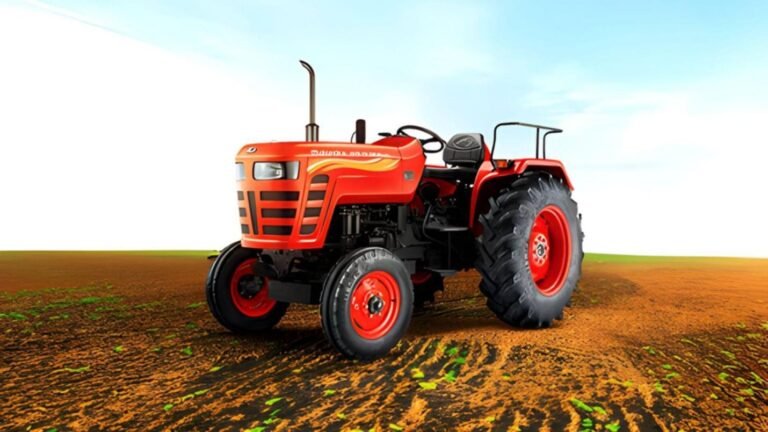
Kharif farming in India is all about timing. The monsoon gives you moisture, but it also brings short windows, sticky soils, and fast weed growth. In this season, the right tractor implements can save labour, improve germination, and help you finish operations before the next spell of rain. If you run a Mahindra tractor (or plan to upgrade to the best tractor for your farm), choosing implements that match your soil, crop, and horsepower is the smartest investment you can make.
Table of Contents
Why Implements Matter More in the Monsoon
During Kharif, field conditions change quickly. A plot that is workable in the morning can turn slushy by afternoon. Good tractor implements help you:
- Prepare a uniform seedbed with fewer passes
- Manage weeds early, when they are easiest to control
- Place seed and fertiliser at the right depth despite uneven moisture
- Reduce compaction by avoiding repeated trips
- Finish critical tasks on time, which determines yield
How to Match Implements to Your Mahindra Tractor
Before picking any tractor implements, build the best tractor setup from three basics: tractor power, soil type, and crop plan.
- Power and PTO: Rotavators, sprayers, and some planters need steady PTO power. Make sure your tractor’s PTO rating and implement requirement are aligned.
- 2WD vs 4WD: In heavy black soil or flooded paddy fields, traction is an issue. 4WD models handle slush better, but correct tyre ballast and tread choice also matter.
- Working width: Wider is faster, but only if the tractor can pull it without strain. Overloading raises fuel use and wear, and it can spoil the finish of the job.
1. Rotavator (rotary tiller) for fast seedbed preparation
A rotavator is a Kharif workhorse for crops like soybean, maize, pulses, groundnut, and even for pre-puddling work in paddy. Mahindra-compatible rotavators are designed to break clods and mix residues in a single pass, which is valuable when rains leave little time between operations. Among tractor implements, this one gives the quickest turnaround from stubble to sowing.
Where it helps most:
- Light to medium soils where quick tilth is needed
- Fields with crop residue that must be mixed before sowing
- Vegetable plots that need fine seedbed formation
Operator tip: Avoid running too deep in wet soil. A shallow, controlled pass keeps the soil structure healthier and reduces the chances of “powdering” the top layer.
2. Cultivator for primary tillage and weed knockdown
For many Kharif farms, a spring-loaded or rigid tyne cultivator is the most reliable first pass after the first showers. It opens the soil, uproots early weeds, and improves aeration without turning the field into mud. If you want simple, low-maintenance tractor implements that work across soil types, a cultivator is hard to beat.
Best use cases:
- First tillage in dry-to-moist conditions after monsoon onset
- Inter-row stirring in wider-spaced crops when fitted appropriately
- Breaking surface crust after heavy showers
3. Disc harrow for tough soils and heavy residues
When soil is hard or when residues are thick, a disc harrow does the heavy lifting. It cuts through stubble and weeds, and it can handle slightly wet conditions better than some tine tools. For cotton, maize, and fallow fields that missed a summer operation, this implement can help you reset the field quickly.
4. Paddy puddler for transplanted rice
Rice is the signature Kharif crop in many states, and puddling is central to water management. A paddy puddler (often a cage-wheel and puddling attachment or a dedicated puddling implement) creates a soft layer that reduces percolation losses and supports transplanting. If paddy is in your rotation, this is one of the most specialised tractor implements you should plan for.
What to watch:
- Correct water depth: too little water makes clods; too much wastes time
- Proper speed: slower puddling improves uniformity
- Use of cage wheels where needed for grip in slush
5. Seed drill or multi-crop planter for timely sowing
Kharif sowing is frequently delayed by rain breaks, labour availability, or late land prep. A seed drill or multi-crop planter helps you plant in one operation with consistent spacing and depth. For rainfed crops, that uniform placement is not a small detail; it directly affects plant stand and early vigour.
Look for features that suit Indian conditions:
- Adjustable row spacing for different crops
- Separate fertiliser box with accurate metering
- Strong openers that work in variable moisture
- Easy calibration so you don’t waste seed
6. Ridger or bed former for drainage and root health
Heavy monsoon spells can drown roots, especially in black cotton soil or low-lying fields. Ridgers and bed formers lift the crop zone, improve drainage, and make inter-row operations cleaner. For crops like cotton, chilli, and maize, this simple tool can protect the crop from waterlogging and help roots breathe.
7. Boom sprayer or PTO-operated power sprayer for crop protection
Kharif is also the peak season for pests and diseases. Humidity increases fungal pressure, and weeds explode after every shower. A boom sprayer gives even coverage and saves chemical and water compared to uneven manual spraying. When paired with a Mahindra tractor, the PTO-driven pump provides pressure for a consistent droplet size. Among tractor implements, sprayers offer one of the fastest paybacks because they cut labour and improve application quality.
Spraying basics that improve results:
- Spray in weather to avoid drift
- Use the correct nozzle for herbicide vs insecticide
- Keep filters clean; clogged lines create patchy coverage
8. Rotary slasher or mulcher for field sanitation
Border weeds, ratoon growth, and post-sowing weeds can become a problem during Kharif. A rotary slasher helps clean bunds, orchard interspaces, and fallow corners. A mulcher, where suitable, chops residues and weeds into fine material that breaks down faster. This keeps the farm tidy, reduces pest shelter, and can support residue recycling.
9. Trailer or trolley for fast movement of inputs and produce
Kharif involves constant movement: seed, fertiliser, pesticide, harvested fodder, and sometimes even water tanks. A sturdy trailer turns your tractor into a transport unit, saving time and money on hired vehicles. For many farmers, this is the most used implement after tillage tools, and it makes work smoother.
Monsoon Care for Your Implements
Kharif conditions are tough on metal. Mud, water, and fertiliser dust accelerate rust and bearing wear. A few habits keep your tractor implements ready:
- Wash and dry after use, especially the rotavator and sprayer parts
- Grease bearings and pivot points on schedule
- Check bolts, blades, and discs for looseness after rough fields
- Store under cover; even a simple tarpaulin helps
Final Words
The “best” set of tractor implements is the one that fits your acreage, crop pattern, and soil. Start with the operations that decide your Kharif success: land prep, sowing, and crop protection, then add tools for drainage, residue management, and transport. A Mahindra dealer can help you size the implement correctly and arrange a field demo. With the right pairing, your tractor performs like a true best tractor for the season: reliable, efficient, and ready for every monsoon challenge.


