


A commercial building’s electrical system is silent, complex, and critical. Failure brings severe consequences: costly downtime, data loss, compromised safety, and disruptive emergency repairs. Transitioning from a reactive “fix-it-when-it-breaks” model to a structured preventive maintenance program is a strategic investment in safety, efficiency, and longevity. Here are eight essential practices to fortify your plan.
Table of Contents
Develop a Comprehensive, Documented Maintenance Schedule
The cornerstone of effective electrical maintenance is a detailed, calendar-driven schedule, tailored to your specific equipment, manufacturer recommendations, environmental conditions, and usage patterns.
For facilities seeking a turnkey solution, partnering with a specialist like WACOMM Electrical Maintenance can ensure your schedule is expertly crafted and executed. This provides management with a reliable, outsourced framework, freeing internal teams for operational oversight.
Critical components like circuit breakers, control panels, and grounding systems require different maintenance intervals. A comprehensive schedule prevents proactive tasks from becoming haphazard.
Utilize preventive maintenance software or integrated asset management platforms to automate reminders, track lifecycle stages, and generate work orders. This digital documentation creates a valuable historical record for audits, insurance, and forecasting parts needs.
Prioritize Regular Visual Inspections & Thermal Imaging
Never underestimate a trained eye. Scheduled visual inspections are the first line of defense, with technicians looking for wear, corrosion, loose connections, and damage on electrical panels, wiring, and safety devices.
Since many failures are invisible, technology like thermal imaging is indispensable. A thermal camera detects abnormal heat patterns in electrical distribution systems, which are precursors to connection failures, overloads, and arc flash risks. Combining routine visual checks with annual or semi-annual thermal scans identifies electrical hazards before they escalate into short circuits or an electrical fire.
Implement Proactive Testing of Critical Safety Components
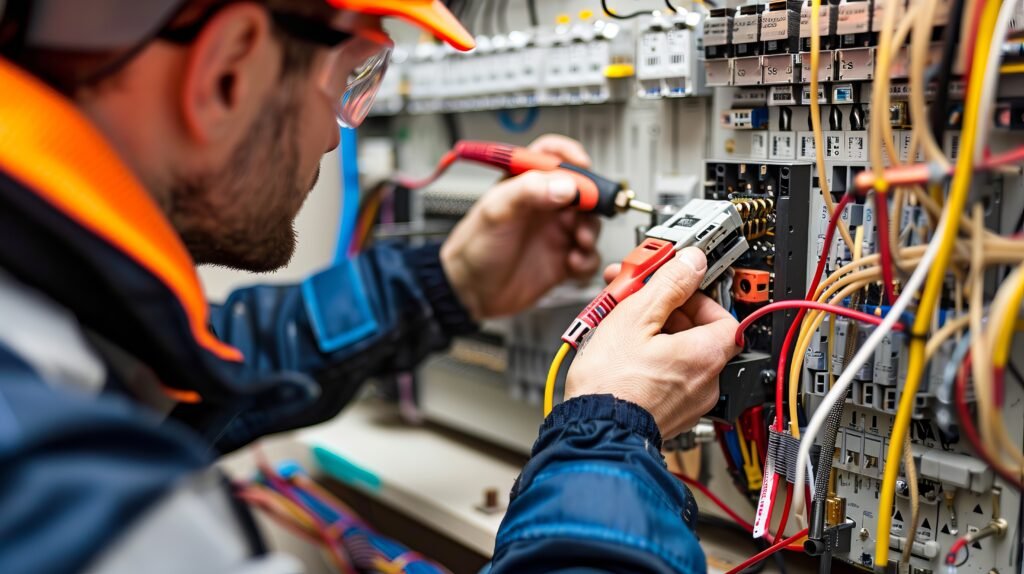
A plan based solely on observation is incomplete. Key elements require hands-on testing to ensure integrity.
- Circuit breaker testing: Ensure circuit breakers trip within specified parameters to protect against overloads.
- Insulation resistance testing: Measure the integrity of wire and motor insulation to prevent ground faults and shorts.
- GFCI and safety device checks: Test every ground fault circuit interrupter and other protective devices monthly.
- Grounding system verification: Confirm the integrity of grounding systems to safeguard against shock hazards and protect sensitive electronics.
This proactive testing regime is fundamental to mitigating safety hazards and ensuring your power supply is clean and stable.
Leverage Predictive Maintenance Technologies
Move beyond time-based schedules to condition-based predictive maintenance. Advanced monitoring systems using sensor technology and the industrial internet of things (IIoT) continuously track variables like vibration, temperature, and load currents on major equipment.
These systems analyze trends to predict failures, allowing you to schedule corrective action during planned downtime—not in a crisis. This approach represents the pinnacle of proactive maintenance, optimizing resources and maximizing uptime.
Focus on Distribution & Lighting Systems
The electrical distribution system is the backbone, and lighting systems represent a major load. Regularly inspect distribution panels, busbars, and connections for tightness and signs of stress.
For lighting, group lamp replacements based on rated life is more cost-effective than spot changes. Also, ensure surge protectors throughout the building’s electrical system are functional to shield expensive equipment from damaging voltage spikes.
Enforce Strict Safety Protocols & Training
Electrical maintenance is inherently risky. Every program must be built on a foundation of safety. Ensure all personnel are trained on lockout/tagout (LOTO) procedures, arc flash boundaries, and the proper use of personal protective equipment (PPE).
Regular safety briefings keep hazards top-of-mind. Plant management must foster a top-down culture of safety by reviewing protocols and audit findings. For complex tasks, always engage licensed electricians or a specialized electrical contractor with the expertise to navigate high-risk scenarios safely.
Maintain Meticulous Records & Analyze Data
A service not documented is a service not performed. Detailed maintenance documentation, from work orders and test results to repair logs, creates an essential legal and operational paper trail.
When managed in asset management software, this data enables powerful analysis. You can identify recurring issues, track the performance of specific electrical components, and make data-driven decisions about repairs versus replacements, effectively managing the entire asset lifecycle.
Plan for Redundancy & Emergency Preparedness
Even the best preventive maintenance plan cannot eliminate all risk. A comprehensive program includes preparedness. Maintain an updated inventory of critical spare parts to avoid long lead times.
Have clear protocols and vendor contacts (like a trusted electrical contractor) for emergency response. Ensure backup power supply systems, like generators or UPS units, are included in the regular maintenance schedule and tested under load.
The Bottom Line
A strategic preventive maintenance program is a non-negotiable element of responsible facility management. It transforms your approach from costly, disruptive reaction to controlled, cost-effective prediction and prevention. These best practices safeguard your assets, protect your people from electrical hazards, ensure business continuity, and deliver significant long-term savings. Ultimately, investing in the health of your building’s electrical system is an investment in the stability and success of your operation.


