

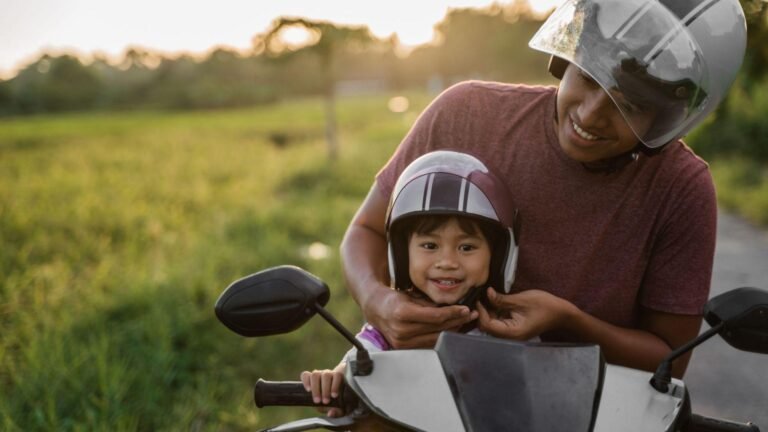
A bike is often shared with a family member or trusted friend for a commute, errand or short trip. That raises an important question: what happens if an accident occurs while someone else is riding it?
Bike insurance is generally linked to the insured vehicle, but every situation is not treated the same way. The rider’s permission, licence status, policy type and accident circumstances can influence how a claim is assessed.
Table of Contents
Cover Usually Follows the Insured Bike
Another person riding your bike does not automatically make the policy ineffective. The important point is whether the rider was allowed to use the bike and met the conditions written into the policy. With third party bike insurance, the policy primarily addresses legal liability arising from injury, death or property damage caused to another person, subject to applicable terms.
Key conditions to remember include:
- The policy should be active.
- The rider should have permission.
- Policy conditions must be followed.
The rider’s status therefore matters during claim assessment.
The Rider Must Hold a Valid Licence
A valid driving licence is one of the main conditions to check before lending your bike. Standard motor policy wording commonly permits another person to ride, provided that person holds an effective licence and is not disqualified from holding one. This can be important for two wheeler insurance claims because the insurer may verify who was riding at the time.
Important licence checks should include:
- Check the rider’s licence validity.
- Confirm it covers the relevant vehicle category.
- Do not lend the bike to an unlicensed rider.
Licence details may be requested during claim assessment.
Permission from the Owner Matters
Insurance does not usually treat authorised use and unauthorised use in the same way. When you knowingly allow a trusted person to ride your bike, the circumstances are clearer from a claim perspective. The rider should still use the vehicle lawfully and within the scope of the policy.
A few practical checks include:
- Give the bike only to someone you trust.
- Make sure the planned use is permitted.
- Share accurate details if a claim is reported.
- Keep relevant vehicle documents accessible.
Clear information can help the insurer assess the incident correctly.
Own-Damage Cover Depends on the Policy
Damage to your own bike is considered under the own-damage part of the policy, where such cover has been purchased. A liability-only policy does not provide the same protection for damage to the insured vehicle. A claim may still be considered when another permitted rider was using the bike, provided the event and rider satisfy the policy conditions.
The assessment may consider these:
- The cause of damage will be reviewed.
- The rider’s details may be checked.
- Deductibles and policy terms may apply.
- Supporting documents may be required.
Claim approval remains subject to policy wording and assessment.
Third-Party Liability Is Considered Separately
An accident may involve injury to another person, damage to another vehicle or damage to someone else’s property. These matters are treated separately from damage to your own bike. A permitted rider using the insured bike does not, by itself, remove the third-party liability aspect of the policy. Legal and policy conditions still apply.
Useful steps after an incident:
- Inform the insurer promptly.
- Record relevant accident details.
- Keep the rider’s documents ready.
- Follow the required claim process.
Depending on the incident, third-party claims may also involve formal legal procedures.
Personal Accident Cover Can Work Differently
Personal accident cover is different from cover for the insured bike or liability towards others. Certain personal accident benefits may be linked specifically to the owner-driver rather than every person who rides the vehicle. Before regularly lending your bike, check who is covered under this part of the policy.
Points worth checking beforehand include:
- Review the personal accident section.
- Check the definition of owner-driver.
- See whether the other rider has separate cover.
- Ask for clarification if the wording is unclear.
This helps prevent assumptions about who is covered.
What to Do after an Accident
The steps taken after an accident can influence how smoothly the claim is handled, regardless of who was riding. Safety comes first, followed by accurate reporting and documentation.
Immediate actions can include these:
- Seek medical assistance where necessary.
- Note the location and circumstances.
- Take photographs when it is safe.
- Inform the insurer without unnecessary delay.
- Keep the rider’s licence and vehicle documents available.
- Follow instructions for inspection or repair.
Avoid making assumptions about claim acceptance. The insurer will assess the event against the policy terms and available information.
Conclusion
Someone else riding your bike does not automatically mean an accident falls outside insurance cover. The outcome depends on the policy type, whether the rider had permission, whether they held an effective driving licence and whether the incident met the policy conditions. Own-damage cover, third-party liability and personal accident benefits may also operate differently. Before lending your bike, read the policy wording and confirm that the rider meets the required conditions.


