


Social media feeds are currently undergoing a visual transformation. The neon-colored, sugary drinks that once dominated digital spaces are being replaced by subtle, earthy tones and complex textures. This change reflects a broader movement toward botanical cocktails. These beverages prioritize ingredients sourced from the earth, such as herbs, roots, and flowers. They offer a sophisticated alternative to standard nightlife fare and appeal to a demographic that values both health and aesthetic quality.
The trend has gained momentum because it bridges the gap between culinary art and mixology. People are increasingly interested in the origin of their food, and this curiosity has naturally extended to their glassware. A drink is no longer just a delivery system for spirits; it is a display of craft. For those who track the intersection of lifestyle and digital culture, the rise of botanical drinks serves as a clear example of how organic elements drive modern engagement and influence social media aesthetics.
Table of Contents
The Visual Language of Garden-to-Glass
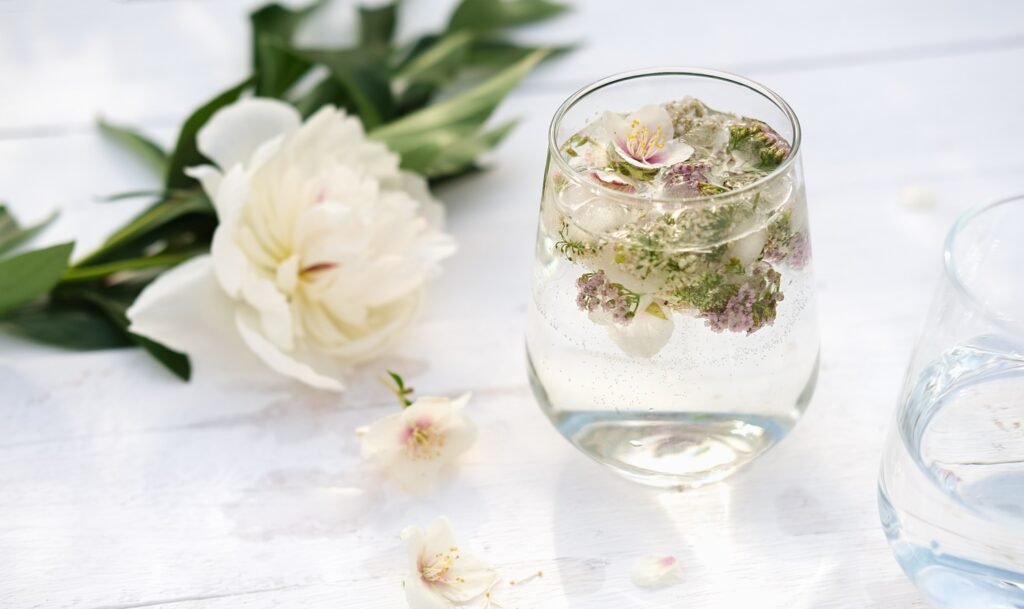
The success of botanical drinks on social platforms is largely due to their inherent photogenicity. Unlike synthetic mixers, natural components provide a diverse palette of colors that look authentic on camera. A single grapefruit peel or a few vibrant edible flowers can transform a simple glass into a centerpiece.
Beyond the garnish, the clarity of the liquid and the way ice cubes catch the light play a role in the aesthetic. Users share these images because they represent a sophisticated lifestyle. This visual cycle keeps the trend moving as more people try to replicate the looks they see online. Content creators leverage these visuals because they evoke a specific mood. A drink featuring a sprig of rosemary or lavender feels more grounded and premium than one filled with artificial dyes.
Crafting Depth with Infusions and Syrups
Creating a botanical cocktail requires a different approach than traditional bartending. The goal is to highlight the delicate notes of plants rather than masking them with sugar. Many enthusiasts and professionals now experiment with various infusions, allowing spirits like gin or vodka to sit with herbs for days.
To maintain balance, a light simple syrup or a rich honey syrup is often used. These sweeteners are added sparingly to ensure the botanical elements remain the primary focus. For instance, fresh lemon juice provides the necessary acidity to cut through the density of the syrups. This focus on craftsmanship is a major draw for people who enjoy bottomless drinks that offer more than just volume.
When a venue provides a menu focused on these high-quality, plant-based ingredients, it elevates the entire social experience. It moves the conversation away from simple consumption and toward an appreciation of the labor involved in the preparation.
Essential Elements of the Modern Herb Garden
The most successful botanical cocktails often start with a well-maintained herb garden. Having access to fresh basil leaves or mint makes a significant difference in the final flavor profile. These plants provide a bright, peppery, or cooling sensation that dried alternatives cannot replicate. People are increasingly growing these components at home, turning their balconies or windowsills into mini-distilleries.
Beyond common herbs, more specialized ingredients are finding their way into the mainstream. Some recipes use chamomile tea as a soft, floral base that pairs exceptionally well with honey and lemon. Others might include a few drops of orange blossom water to introduce a scent that lingers long after the sip. For those who want to add a unique texture, incorporating an egg white into the shaker creates a silky foam. This foam acts as a canvas for further decoration, making the drink even more ‘shareable’ for digital audiences.
Refreshing Bases and Fruit Profiles
While herbs provide the structure, fruit juices and carbonation provide the body. Modern drinkers often look for lighter alternatives to heavy sodas. Citrus sparkling water is a popular choice for adding fizz without the caloric weight of traditional mixers. It allows the subtle notes of the botanicals to shine through while keeping the drink refreshing and crisp.
Fruit elements are also becoming more adventurous. Instead of standard orange or cranberry, many creators use lychee juice to add a tropical, slightly floral sweetness. This pairs beautifully with transparent spirits and green herbs. The combination of these diverse liquids ensures that the cocktail remains interesting from the first sip to the last. By mixing different textures and flavor levels, bartenders create a drink that is both a culinary achievement and a visual highlight.
The Longevity of the Botanical Trend
Botanical cocktails have transformed the modern aesthetic of going out for drinks into a multisensory experience that is as much about the visual art as it is about the flavor. By incorporating vibrant edible flowers, aromatic herbs like rosemary and basil, and functional adaptogens, these drinks offer a sophisticated, “garden-to-glass” appeal that is perfectly curated for the digital age. It is no wonder these herbaceous creations are dominating social media feeds, as they turn every happy hour into a stunning showcase of nature’s finest ingredients.
As the industry continues to evolve, we can expect to see even more experimentation with rare plants and traditional techniques. Whether you are a casual fan of garden-inspired flavors or a dedicated home mixologist, the botanical movement offers endless opportunities for creativity. It reminds us that sometimes the best way to move forward is to look back at the natural ingredients that have been available to us all along.


