

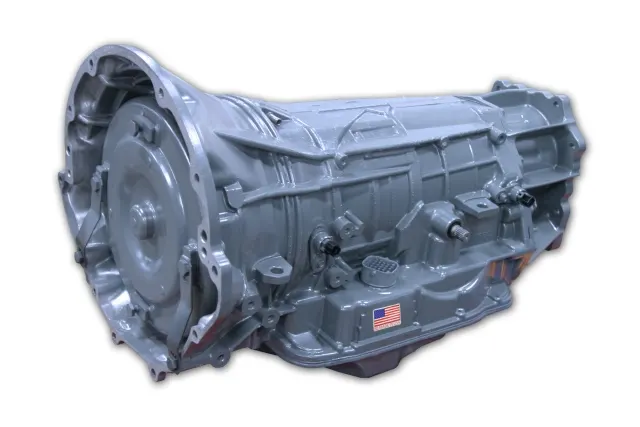
Replacing a transmission is a substantial repair, and choosing the right replacement requires more than matching a vehicle’s make and model. Chrysler vehicles have been equipped with numerous transmission designs across different model years, engines, and drivetrain configurations. For buyers researching Chrysler remanufactured transmissions, compatibility, core requirements, and warranty terms deserve careful attention before an order is placed.
Table of Contents
Why Transmission Compatibility Matters
A transmission that appears suitable based on the vehicle model may still have important differences. Engine size, drivetrain, production year, transmission code, electronic controls, and gear ratios can affect whether a unit is an appropriate replacement.
The vehicle identification number (VIN) is a useful starting point when confirming specifications. Transmission identification numbers or codes from the original unit can provide additional information. When available, these details should be compared against the supplier’s application data rather than relying solely on a general year-and-model description.
For a broader reference when researching available transmission models, reviewing a dedicated transmission model guide can help narrow the options before discussing a specific unit with a supplier.
What Does Remanufactured Mean?
A remanufactured transmission is generally disassembled, inspected, cleaned, and rebuilt using replacement components where necessary. However, the exact process can vary between suppliers.
Ask whether the unit has been completely disassembled and whether critical components such as clutches, seals, bearings, bushings, and other wear items are inspected or replaced. Hard components may also require inspection for cracking, excessive wear, or other damage.
The important point is that “remanufactured” should not be treated as a universal description of identical work. Understanding the actual rebuilding process provides a better basis for comparing different units.
Understanding Core Requirements
Many transmission purchases involve a core charge. The core is typically the customer’s original transmission, which may be returned to the supplier for evaluation and rebuilding.
Before ordering, confirm whether a core charge applies and what conditions the returned transmission must meet. Some suppliers have specific requirements concerning missing components, physical damage, or modifications. There may also be a deadline for returning the core.
Ask about shipping arrangements as well. Knowing who pays for core return shipping and how the core charge is refunded can prevent unexpected costs after installation.
Read the Warranty Beyond the Headline
Warranty length matters, but the details matter just as much. Review what components are covered, whether labor is included, and which installation requirements must be followed.
Some warranties require professional installation or proof that recommended procedures were completed. Fluid specifications, cooler-line flushing, electronic programming, and related component checks may all be relevant depending on the vehicle.
It is also worth asking how a claim is handled. Determine whether the supplier repairs or replaces the transmission and whether transportation costs are covered.
Questions to Ask Before Buying
Before purchasing a Chrysler remanufactured transmission, confirm:
- The exact transmission application and identification code
- Engine and drivetrain compatibility
- What components were replaced or inspected
- Core charge and return conditions
- Warranty duration, exclusions, and installation requirements
- Shipping, return, and damage procedures
A replacement transmission represents a major investment in the vehicle, so taking time to verify these details is practical rather than excessive. Accurate compatibility information and clearly understood warranty and core policies can make the replacement process considerably more predictable.


