

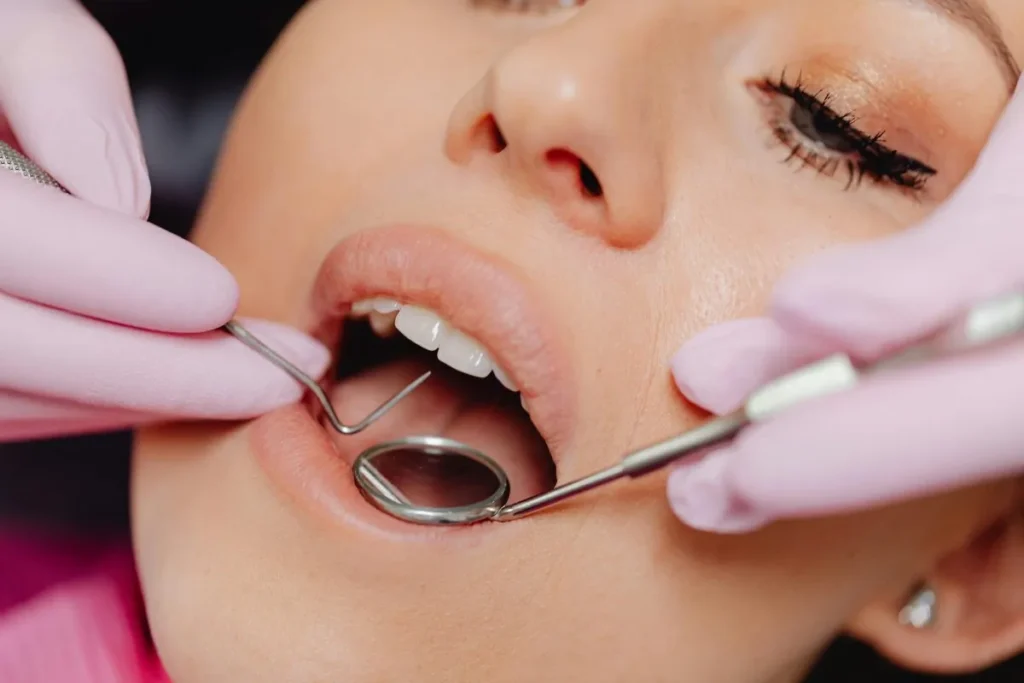
You might be feeling a mix of guilt and worry about your teeth. Maybe you skipped a few cleanings, a small spot turned into a bigger cavity, or you are now facing a chipped tooth on top of gum sensitivity. A dentist in Waseca, MN can help you get back on track. It can feel like you are always one step behind, reacting to dental problems instead of staying ahead of them.end
Because of this tension, you might wonder if you need one kind of dentist to keep problems from starting and another to fix what is already wrong. That thought alone can feel exhausting. The good news is that you do not have to split your care like that. When you choose a general dentist who is skilled in both prevention and restoration, you create one steady home for your oral health, from simple cleanings to complex repairs.
Here is the short version of what that can mean for you. First, your dentist is watching for early warning signs and can often stop small issues before they turn into painful or expensive problems. Second, if you do need work like fillings or crowns, that same dentist already knows your mouth, your history, and your comfort level. Third, your care becomes more coordinated, which usually means fewer appointments, clearer costs, and less stress.
Table of Contents
Why does choosing one dentist for prevention and repair matter so much?
On the surface, a cleaning visit and a filling visit look very different. One feels simple, the other feels more serious. Emotionally though, they are part of the same story. You want to keep your teeth healthy, avoid pain, and not be surprised by big bills or rushed decisions.
The problem is that many people treat preventive visits as optional and only see a dentist when something hurts. By the time there is pain, the treatment often shifts from a quick fix to a more involved procedure. A dentist who focuses on prevention will use regular exams, cleanings, and patient education to lower this risk. You can learn more about these preventive steps from trusted public health sources such as the CDC’s guidance on oral health prevention.
Now add restoration to the picture. Suppose a small cavity is found during a routine exam. A dentist skilled in restorative work can talk with you about timing, materials, and cost right away, and can often treat it before it spreads. If that cavity is ignored, it might grow into a broken tooth or an infection. At that point, the choices can become more limited and more expensive.
So where does that leave you? You are trying to balance your fear of the chair, your budget, and your time. You might feel embarrassed that things have gotten to this point, or worried that a dentist will judge you. A seasoned general dentist who understands both prevention and restoration is more likely to see the full picture. They can meet you where you are today, without criticism, and build a plan that makes sense for your life, not just your teeth.
How does this choice affect your comfort, cost, and long term health?
Think about a very common situation. You go in for a checkup and your dentist finds a small cavity between two teeth. There is no pain yet. A preventive mindset means your dentist explains what is happening and why it matters now, not later. A restorative mindset means they can place an appropriate filling, choose the right material, and shape it so you can chew comfortably.
Modern dental fillings and other materials are carefully researched. If you are curious about what might be used in your mouth, you can read accessible information on types of dental fillings and their uses. For people who want to go deeper into the science of dental materials, the NIDCR’s report on dental materials shows how much thought goes into balancing strength, appearance, and safety.
Once you see how much planning is behind even a “simple” filling, it becomes easier to appreciate why having one dentist guide you from prevention to restoration can be so helpful. You are not just getting a cleaning, then a random repair. You are getting a connected plan for your mouth.
Here are three core benefits of choosing a dentist who is strong in both prevention and restoration, sometimes called a preventive and restorative general dentist.
1. Fewer surprises and earlier answers
When your dentist is always thinking about what might happen next, they pick up on small changes. Early gum inflammation, tiny fractures in teeth, or early enamel wear can all be watched, supported, or treated before they turn into urgent problems. This kind of attention can mean fewer “emergency” visits and less fear of what a checkup might reveal.
2. Smoother treatment when something does go wrong
No matter how careful you are, life happens. You might bite something hard, grind your teeth during stress, or develop decay in a tough to clean spot. If your dentist already knows you through ongoing preventive care, they can move quickly from diagnosis to treatment, with realistic options that fit your budget and your goals.
3. One trusted guide for your whole mouth, not separate pieces
Teeth, gums, jaw joints, and even your daily habits all interact. A dentist who offers both regular checkups and restorative treatments sees patterns. For example, they might notice that a worn filling, jaw tension, and morning headaches are connected. They can then adjust your bite, repair what is failing, and coach you on habits or tools like a night guard.
This is what people often mean when they talk about choosing a full service general dentist. It is less about fancy labels and more about having one place that can handle most of your needs with a consistent philosophy of care.
What are the key tradeoffs when choosing a preventive and restorative dentist?
To make this more concrete, it helps to compare different paths people often take when they are trying to manage both prevention and restoration on their own.
| Approach | Short term comfort | Long term cost | Stress level | Typical outcome |
|---|---|---|---|---|
| Waiting until something hurts | Feels easier now. No appointments or bills until pain appears. | Often higher. Problems are larger and may need crowns, root canals, or extractions. | High. Sudden emergencies, missed work, and surprise expenses. | Teeth repaired in crisis. More chance of losing teeth over time. |
| Seeing one dentist for cleanings, another for repairs | Moderate. You get checkups and treatment, but care is split. | Variable. Communication gaps can lead to repeated X rays or overlapping work. | Moderate to high. You coordinate records, visits, and advice from two offices. | Decent results, but more effort on your part to connect the dots. |
| Choosing one preventive and restorative general dentist | Steady. Regular visits catch problems early and treatment feels more predictable. | Often lower over time. Early care reduces the need for complex work. | Lower. One office, one record, one plan for your mouth. | Stronger teeth and gums, fewer emergencies, and more control over decisions. |
When you look at these side by side, the benefit of choosing a general dentist who is comfortable with both prevention and restoration is not about perfection. It is about giving yourself the best chance to avoid dental crises and to feel more calm when treatment is needed.
What can you do right now to move toward better dental care?
You do not need to change everything overnight. A few clear steps can put you on a better path, even if you have not seen a dentist in years.
1. Clarify what you want from a dentist before you call
Before you schedule anything, take five minutes and write down what matters most to you. For example, you might list “clear explanations,” “focus on prevention,” “experience with fillings and crowns,” or “gentle approach because I feel anxious.” This list becomes your filter when you look at websites or talk with office staff.
When you call, you can ask simple questions such as “Do you offer regular preventive visits and also do restorative treatments like fillings and crowns in your office?” and “How do you help patients who have not been in for a while and may need several things addressed?” The way the team answers will tell you a lot.
2. Schedule a full exam, not just a quick fix
If you already have a painful tooth, it is tempting to ask for the fastest appointment and only fix that one issue. Instead, ask for a full exam with X rays and a cleaning if appropriate. This gives your dentist a complete picture. They can then prioritize what must be done right away, what can wait, and what can be handled through better preventive care.
You might say, “I know I have at least one problem tooth, but I would like a full review so we can make a plan.” This small shift turns a one time repair into the start of a long term strategy.
3. Agree on a simple, step by step plan you can actually follow
After your exam, ask your dentist to walk you through a clear sequence of care. That might sound like “First we address these two cavities, then we watch this cracked filling, then we see you for checkups every six months.” Make sure you understand the “why” behind each step, how urgent it is, and what it will cost.
If the plan feels overwhelming, say so. A practical dentist will help you break it into smaller phases that fit your schedule and budget. This is where the strength of a preventive and restorative approach really shows. You are not being pushed into everything at once. You are choosing informed steps with guidance.
Bringing it all together
You do not have to choose between a dentist who focuses on prevention and one who only steps in when something breaks. When you choose a dentist who is skilled in both, you give yourself one trusted partner for cleanings, education, and the restorative care you will occasionally need.
That choice can mean fewer emergencies, more predictable costs, and a quieter mind when you sit in the chair. No matter how long it has been since your last visit, you can start now with a simple goal. Find a general dentist who treats your mouth as a whole story, not a series of separate problems, and work with them to build a plan that supports you for the long term.