

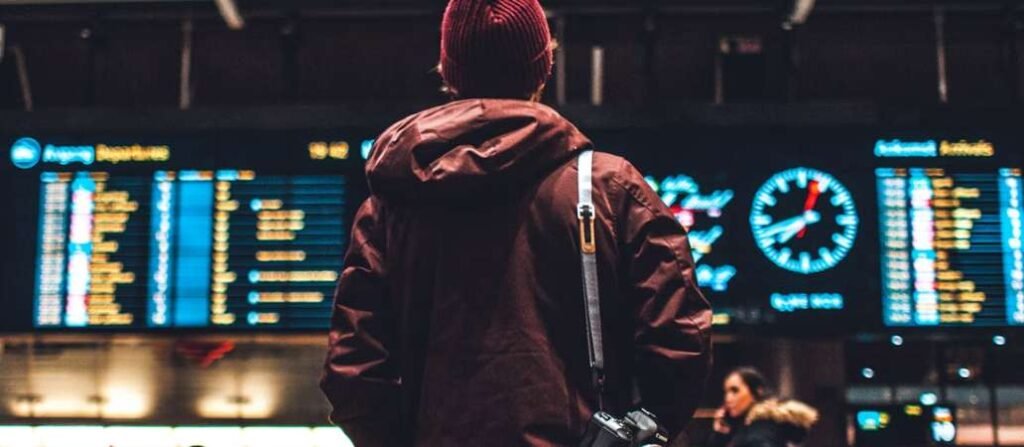
Statistics show that approximately 25–30% of international travelers experience layovers, and confusion about customs regulations is a common source of stress. According to travel behavior surveys, do you go through customs on a layover who are informed about customs requirements experience 35–40% fewer delays or missed connections during transit.
Understanding when and where customs procedures apply can make layovers more efficient and less stressful. A clear knowledge of these rules ensures travelers comply with regulations while optimizing their time at the airport.
What Determines Whether You Go Through Customs During a Layover?
Data from airport and immigration studies highlight that customs processing during a layover depends on three main factors:
- Flight Connection Type: Direct international connections may bypass customs if luggage is checked through to the final destination.
- Airport and Country Regulations: Some countries require all travelers to clear customs and immigration, even if staying airside.
- Luggage Handling: If passengers must collect and re-check luggage, customs clearance may be required.
Statistical analysis indicates that travelers who check in their luggage through to the final destination reduce the likelihood of multiple customs encounters by up to 60%. Understanding airport policies in advance allows for better planning and smoother layover experiences.
Do You Always Go Through Immigration During a Layover?
Research shows that immigration procedures differ from customs and depend on whether passengers remain in the secure transit area or exit into the country.
- Airside Transfers: Passengers staying in the transit area usually avoid immigration checks.
- Exiting the Airport: Travelers leaving the airport for sightseeing, lounges, or other purposes must go through immigration.
Surveys suggest that travelers unfamiliar with these distinctions often experience confusion, delays, and unnecessary stress. Knowledge of immigration protocols is crucial to avoid complications during layovers.
When Is Customs Clearance Required During a Layover?
Customs clearance is typically required under the following circumstances:
- Luggage Retrieval: Travelers must collect checked luggage for a connecting flight.
- Transit Countries with Specific Regulations: Some countries mandate customs processing even if luggage is transferred automatically.
- Personal Item Declarations: Travelers carrying restricted or high-value items may need to declare them.
Data from international travel studies indicate that proper planning for customs procedures reduces missed connections by 25–30% and improves overall layover efficiency.
What Are Typical Customs Procedures During a Layover?
Customs procedures generally include:
- Presenting travel documents, including passports and boarding passes
- Declaring restricted or taxable items
- Luggage inspection if required
- Verification of travel itinerary and connections
Statistics show that travelers who pre-organize documents and understand requirements spend 20–35% less time at customs compared to those unprepared.
How Can Pre-Layover Preparation Simplify Customs Processes?
Data-driven planning significantly improves traveler experience. Steps to prepare include:
- Confirming whether luggage is checked through to the final destination
- Understanding the specific country’s customs regulations
- Packing items according to allowed limits for duty-free and restricted goods
- Keeping passports, visas, and travel documents accessible
Studies suggest that travelers who follow these steps experience smoother layovers, reduced anxiety, and faster processing times.
Do You Need a Visa for a Layover?
Visa requirements can vary depending on the country and layover duration. According to immigration statistics:
- Airside Layovers: Many countries do not require a transit visa if passengers remain in the secure area and do not leave the airport.
- Exiting the Airport: Travelers planning to explore the city or switch terminals may need a transit or short-stay visa.
Survey data shows that travelers unaware of visa requirements encounter delays or fines in 15–20% of cases. Researching visa policies ahead of travel is essential for avoiding complications during layovers.
How Long Does Customs Processing Typically Take During a Layover?
Time spent at customs varies by airport, passenger volume, and country regulations. Statistical airport studies report the following averages:
- Small to Mid-Size Airports: 10–20 minutes
- Major International Hubs: 30–60 minutes during peak hours
- Unexpected Delays: Up to 90 minutes for high-security checks or special inspections
Travelers who account for customs processing in layover planning reduce the risk of missed connections and travel stress.
What Are Tips for Minimizing Customs Delays?
Statistics show that travelers using strategic planning experience faster processing times and smoother layovers. Recommended tips include:
- Using expedited programs like Global Entry or other trusted traveler programs where available
- Keeping luggage organized and accessible
- Declaring items accurately to avoid secondary inspection
- Monitoring airport signage and instructions for customs lanes
Data confirms that travelers applying these strategies reduce time spent in lines and improve overall layover efficiency.
Can Short Layovers Bypass Customs Entirely?
Research indicates that airside transfers for passengers with checked luggage often bypass customs entirely. Airlines and airports coordinate luggage transfer so that passengers do not need to clear customs between connecting flights.
However, statistical analysis shows that approximately 10–15% of short layovers still require customs intervention due to airline or airport-specific protocols. Checking with airlines and airport authorities before travel helps ensure smooth transit.
How Does Luggage Handling Impact Customs Requirements?
Data shows that handling checked luggage is a major factor influencing customs clearance. Scenarios include:
- Through-Checked Luggage: Reduces customs encounters and speeds up layovers
- Self-Checked Luggage Transfers: Requires customs clearance, especially in countries with strict import/export regulations
- High-Value Items: Travelers carrying electronics, jewelry, or large amounts of cash may face additional inspection
Travelers who understand these patterns experience fewer delays and can better plan layover time.
What Are Common Mistakes Travelers Make Regarding Customs During Layovers?
Statistical surveys highlight frequent errors:
- Misunderstanding whether luggage requires re-checking
- Exiting the airport without verifying visa requirements
- Carrying prohibited items unknowingly
- Allowing insufficient time for customs and security
Data indicates that travelers who educate themselves on customs procedures reduce the likelihood of delays or fines by 30–40%.
How Can Technology Improve Customs and Layover Experiences?
Modern tools have made customs processing more efficient. Airports increasingly provide:
- Mobile updates for gate changes and customs requirements
- Electronic document submission for faster clearance
- Airport maps highlighting customs and immigration lanes
Statistics show that passengers who leverage technology report 20–25% faster customs processing and reduced stress levels.
Should You Plan Activities During a Layover If Customs Is Required?
Studies show that layover activities are feasible if travelers allocate sufficient time for customs and security. Experts recommend factoring in:
- Average customs processing time
- Distance between terminals
- Security re-check requirements
Data indicates that planning activities without considering customs often results in missed flights or high stress. Allocating extra buffer time ensures a safe and enjoyable layover.
What Are the Key Takeaways for Travelers Regarding Customs on Layovers?
Based on statistical insights:
- Not all layovers require customs; it depends on luggage, visas, and airport rules
- Airside transfers generally bypass customs, while exiting the airport triggers clearance
- Planning and pre-preparation reduce delays by 30–50%
- Understanding luggage handling, visa requirements, and airport protocols improves satisfaction
- Technology, organized documents, and strategic timing enhance efficiency and reduce stress
Travelers who approach layovers with awareness and preparation are statistically more likely to experience smooth, stress-free connections.
Final Perspective on Layovers and Customs for Travelers?
From a data-driven perspective, customs procedures are a crucial factor in layover efficiency and traveler satisfaction. Awareness of luggage rules, visa requirements, airport-specific protocols, and estimated processing times can make the difference between a stressful layover and a productive, comfortable pause in travel.
Statistics clearly indicate that pre-planned layovers, supported by proper customs preparation, improve connection success rates, reduce stress, and enhance the overall travel experience. By approaching layovers strategically, travelers can transform potential hurdles into opportunities for rest, organization, and efficiency.