

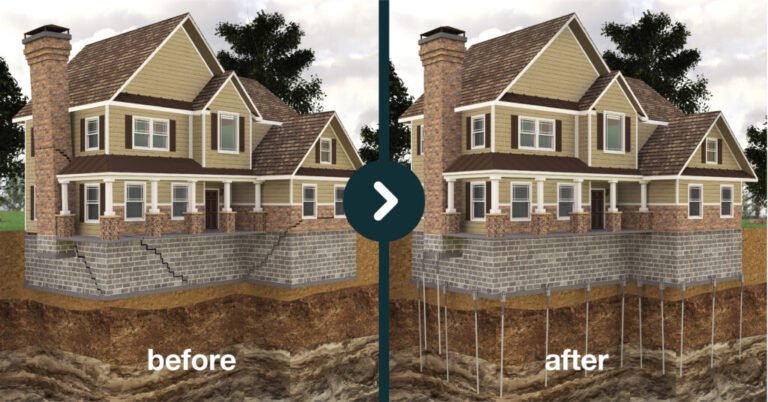
Over time, many homeowners notice small cracks, uneven floors, or doors that no longer close properly. These are often signs that a home’s foundation has shifted. Understanding why this happens helps in preventing further damage and identifying when professional assessment is needed.
Table of Contents
Natural Soil Movement
One of the most common reasons for foundation movement is soil expansion and contraction. When the ground becomes saturated with water, it swells. In dry periods, it contracts. This constant cycle gradually puts stress on the structure above, leading to cracks or uneven settling that may require foundation repair Ottawa.
Freeze and Thaw Cycles
In climates with cold winters, water in the soil freezes and expands, lifting the foundation slightly. When the ice melts, the ground settles again. Repeated freeze-thaw cycles weaken the soil’s support capacity, which can cause long-term structural shift.
Improper Drainage
Poor drainage near the base of a building allows water to pool around the foundation. Over time, this moisture seeps into the soil, reducing its stability. Proper grading and gutter systems are essential to direct water away and limit pressure on the foundation walls.
Tree Roots and Vegetation
Trees planted too close to a structure can draw moisture from the soil, causing it to dry out and shrink. Large roots may also exert direct pressure against foundation walls. Both effects create uneven support that contributes to structural movement.
Construction and Material Factors
Foundations built on poorly compacted soil or with inadequate reinforcement are more susceptible to shifting. Building materials also play a role. Concrete and masonry expand and contract slightly with temperature changes, and if not properly designed, this can lead to cracking and separation over time.
Signs of Foundation Instability
Recognizing early warning signs allows homeowners to address problems before they become severe. Common indicators include:
- Cracks in walls, floors, or ceilings
- Windows and doors that stick or fail to latch
- Gaps forming between walls and floors
- Uneven or sloping floors
- Visible separation in exterior brick or siding
Moisture and Seasonal Influence
Seasonal variations significantly affect soil moisture levels. During wet months, the ground expands and may lift parts of the foundation. In dry months, it contracts, allowing sections of the home to settle. These cycles gradually weaken the structure’s alignment and stability.
Preventive Maintenance and Monitoring
Routine inspection helps detect subtle changes before they escalate. Monitoring visible cracks, ensuring proper drainage, and maintaining consistent soil moisture near the foundation are all practical steps. When movement becomes noticeable, evaluation for structural repair Ottawa can determine the most effective stabilization method.
Long-Term Stability Practices
Maintaining a stable foundation involves ongoing attention to environmental and structural conditions. Avoiding excessive landscape watering, controlling root growth near the building, and managing surface water runoff all contribute to long-term durability. Early awareness and steady maintenance help preserve the safety and value of the property.


