

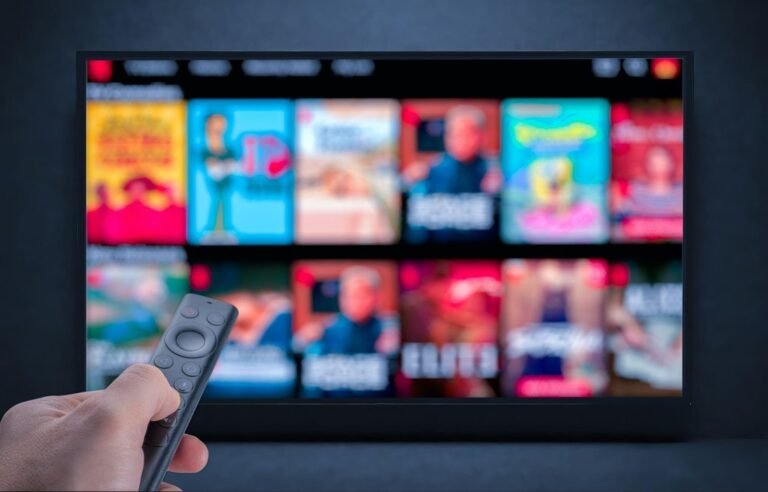
Scroll through Netflix for a few minutes and one thing becomes obvious: the platform’s value isn’t just in the shows themselves, but in how seamlessly everything is brought together. Thousands of titles, different studios, multiple genres — all organised in a way that feels effortless to the viewer. A very similar shift has quietly taken place in online gaming, especially in casino and entertainment platforms. Understanding What Is a Casino Games Aggregator helps explain why modern gaming experiences feel broader, faster, and more personalised than they did even a few years ago.
At its core, content aggregation is about choice without chaos. Netflix doesn’t produce everything it offers; it curates, licenses, and structures content from many sources into a single experience. Gaming platforms increasingly rely on the same logic. Instead of building every game in-house or partnering with a single provider, platforms integrate multiple studios through aggregation layers that unify content, data, and delivery.
This approach fundamentally changes how users experience digital entertainment.
Table of Contents
Why aggregation feels invisible — and that’s the point
The most successful platforms make aggregation almost invisible to the end user. A player doesn’t think about which studio built a slot or table game, just as a Netflix viewer rarely considers which production house made a series. What matters is that everything loads quickly, looks consistent, and feels connected.
Behind the scenes, aggregation allows platforms to:
- Introduce new content continuously without redesigning the interface
- Maintain consistent performance and UX across different game engines
- Adapt libraries to regional tastes, trends, or player behaviour
This is why modern gaming platforms rarely feel “stale.” New releases appear regularly, older titles resurface through recommendations, and niche content finds its audience — all without users needing to search too hard.
The psychology of choice and perceived value
Streaming platforms taught users to associate variety with value. A limited library feels restrictive, even if the content itself is high quality. The same applies to gaming. Players tend to stay longer on platforms where they sense abundance — not necessarily because they play everything, but because they could.
Aggregation supports this psychology by enabling:
- Broad genre coverage (slots, live games, instant games, skill-based titles)
- Different volatility and pacing options for different moods
- Faster experimentation with new formats
When users feel they’re not being pushed toward a narrow selection, trust grows. And trust, in digital entertainment, is one of the strongest drivers of retention.
Aggregation as a UX decision, not a technical one
It’s easy to think of aggregation as a purely technical solution, but its real impact is on experience design. Aggregated platforms can personalise content more effectively, highlight trends in real time, and balance novelty with familiarity.
This mirrors how Netflix recommends new shows based on viewing history rather than pushing the same “top 10” list to everyone. In gaming, aggregation enables similar dynamics: surfacing games a player is statistically more likely to enjoy, while still introducing variety to prevent fatigue.
Where aggregation is heading next
As digital entertainment becomes more competitive, aggregation will evolve beyond simply “more content.” The next phase focuses on smarter curation, deeper analytics, and tighter integration between content and community features.
We’re already seeing early signs of this:
- Games being promoted based on session behaviour, not just popularity
- Libraries adapting dynamically to player lifecycle stages
- Platforms testing content faster without long development cycles
In many ways, the future of gaming platforms looks increasingly like the future of streaming — not defined by who owns the most content, but by who organises it best.
Content aggregation isn’t a buzzword. It’s the quiet infrastructure that makes modern digital entertainment feel rich, fluid, and endlessly engaging — whether you’re choosing a series to binge or a game to play next.


