

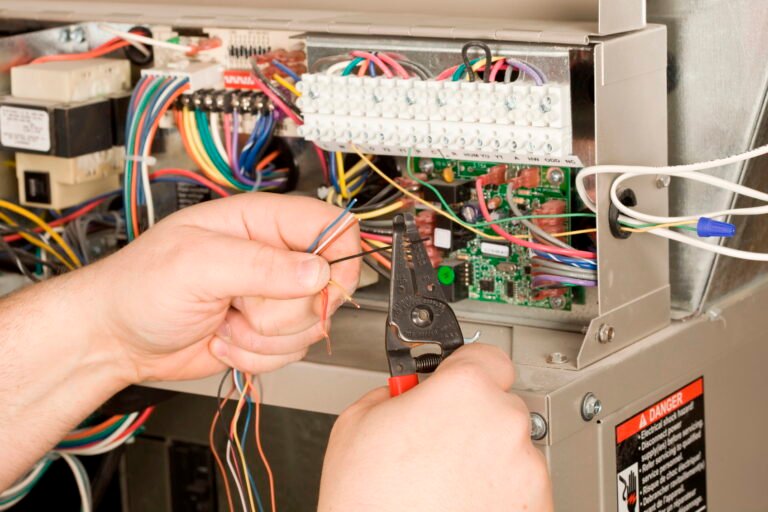
When a furnace starts making unusual noises, struggles to heat your home or causes energy bills to rise, deciding whether to repair or replace it can be challenging. The right choice depends on the system’s age, condition, repair costs and overall efficiency. Understanding these factors can help homeowners make an informed decision, maintain indoor comfort and avoid unnecessary expenses, particularly during the colder months in Akron, Ohio.
Table of Contents
When Is Furnace Repair the Better Choice?
Furnace repairs are often the practical option when a system is relatively modern, has been maintained properly and has developed an isolated fault. Components such as thermostats, igniters, sensors and blower motors can sometimes be repaired or replaced without installing an entirely new unit.
Homeowners considering furnace repair and replacement in Akron, OH should first assess the symptoms and the likely cause of the problem.
Common signs that a repair may be sufficient include:
- Minor operational faults: The furnace runs inconsistently because of a faulty thermostat or sensor.
- Restricted airflow: A dirty filter or obstructed vent affects heat distribution.
- Ignition problems: A defective igniter prevents the furnace from starting correctly.
- Unusual noises: Loose components or worn parts create rattling or other unfamiliar sounds.
- Uneven heating: A repair may resolve an equipment issue affecting certain rooms.
A professional inspection can establish whether the problem is limited to one component or indicates wider deterioration.
Consider the Cost of Repeated Repairs
One repair may be economical, but frequent service calls can make an ageing furnace increasingly expensive to maintain. Ask for a written estimate and compare the repair cost with the likely remaining service life of the equipment.
When Should You Consider Furnace Replacement?
Replacement may be more suitable when a furnace has reached the later stages of its service life, requires major repairs or no longer heats the property effectively.
Many conventional furnaces last around 15–20 years, although actual lifespan depends on maintenance, usage, installation quality and operating conditions. A system approaching this age deserves a careful assessment, especially if performance has declined.
For households researching furnace repair and replacement in Akron, OH, the following warning signs may indicate that installing a new system is worth considering.
1. Frequent and Expensive Breakdowns
If the furnace repeatedly develops faults, repair costs can accumulate. Replacement may provide better long-term value when several major components need attention or further failures appear likely.
2. Declining Energy Efficiency
Older furnaces may consume more fuel than modern, appropriately sized models. If energy use continues to rise despite reasonable thermostat settings and routine maintenance, compare the existing system’s performance with the potential efficiency of a replacement.
Remember that insulation, draughts, weather and household heating habits also affect energy consumption.
3. Inconsistent Indoor Comfort
Persistent cold spots, difficulty maintaining the selected temperature and extended heating cycles may indicate that the furnace is no longer meeting the home’s needs. However, ductwork problems or poor insulation can cause similar symptoms, so these should be investigated before deciding on replacement.
4. Safety Concerns
Cracked heat exchangers, suspected carbon monoxide leaks and other serious faults require immediate professional attention. Do not continue operating equipment that may be unsafe. Leave the property if a carbon monoxide alarm sounds or symptoms of exposure occur, and contact emergency services from a safe location.
Key Factors to Compare Before Making a Decision
Before committing to either option, consider the following factors together.
- Age and condition: A well-maintained, younger furnace may justify repair, while an older system with multiple faults may warrant replacement.
- Total cost: Compare the repair estimate with the full installed cost of a suitable replacement.
- Energy performance: Consider whether a new model could reduce fuel consumption enough to justify its upfront cost.
- Warranty coverage: Check whether the existing equipment or replacement components remain covered.
- Heating requirements: Ensure any replacement is correctly sized for the property rather than selecting a unit based solely on price.
Requesting clear explanations from a qualified HVAC technician can help you understand the options without feeling pressured into an immediate purchase.
Frequently Asked Questions
How do I know whether my furnace is too old to repair?
Age alone does not determine whether replacement is necessary. Consider the furnace’s condition, repair history, safety, efficiency and estimated remaining service life before deciding.
Can replacing a furnace reduce energy bills?
A replacement may reduce fuel consumption if the new system is more efficient and correctly installed. Actual savings depend on the previous furnace, local energy prices, property insulation and heating habits.
Should I repair my furnace before winter?
Addressing known faults before temperatures drop can reduce the risk of an unexpected breakdown when heating is needed most. Arrange an inspection promptly if the system shows signs of poor performance.
Conclusion
Choosing between repairing and replacing a furnace requires more than comparing immediate costs. Consider the system’s age, reliability, safety, energy performance and future maintenance needs. A professional assessment can identify the underlying problem and provide realistic estimates for both options. By weighing these factors carefully, homeowners can choose a dependable, cost-effective heating solution that supports comfort throughout Akron’s cold winter months.


