

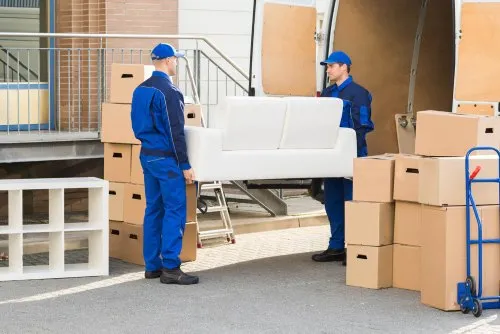
Furniture moving looks simple from the outside: pick up a sofa, carry it out, load it, and set it down again. In reality, it’s a mix of planning, protection, careful handling, and efficient teamwork. A single scratch on hardwood, a torn fabric corner on a sectional, or a chipped staircase edge can turn an otherwise smooth move into a stressful problem. That’s why professional furniture movers focus on preparation as much as muscle. They think about door widths, stair angles, elevator rules, fragile surfaces, and how to protect corners, floors, and railings before the first piece is lifted. They also plan load order to prevent crushing, shifting, or toppling in the truck, especially when the move includes bulky dressers, glass-top tables, or antique cabinets. When you understand what movers do behind the scenes, it becomes easier to choose the right service level, prepare your home, and avoid common mistakes that cause delays or damage. The goal isn’t speed alone; it’s controlled movement from room to room, truck to truck, and home to home with everything arriving intact.
Moving furniture is more than lifting heavy items
- How furniture movers plan the job before lifting
A good furniture move starts with a walkthrough, even if it’s done by photos or video for a smaller job. Movers look at entry points, stairs, tight turns, and surfaces that need protection. They notice whether a couch must be angled around a railing, whether a dresser will fit through a hallway, and whether large items should be disassembled to reduce risk. They also consider parking access and the carry distance, because a long walk from the truck to the door changes the time and labor required. Inside the home, they identify high-risk items, such as glass, marble, mirrored panels, and furniture with weak joints, which can shift under stress. Movers often ask about “problem pieces” in advance—sectionals with recliners, king bed frames, pianos, or oversized armoires—because these items may need extra wrapping, straps, or added crew support. A practical example is when customers hire furniture movers in Atlanta and underestimate how much stair flights, gated parking, and narrow hallways affect timing and pricing. Planning prevents surprises and helps the movers bring the right tools, including dollies and straps, blankets, shrink wrap, and floor runners.
- Protection methods that prevent damage to furniture and homes
Protection is a major part of professional furniture moving, especially in homes with finished flooring, fresh paint, and tight spaces. Movers typically use padded blankets to shield wood edges, corners, and delicate finishes from impact. Shrink wrap keeps blankets in place and protects upholstered pieces from dirt, moisture, and snagging. For mattresses, protective bags are used to keep them clean during transport. Floors in high-traffic areas are often covered with runners or thick mats, and corner guards may be used in narrow hallways where furniture can bump into walls. Straps help stabilize heavy pieces and reduce sudden shifts while carrying, which is often when damage happens. For glass-top tables and mirrors, movers may remove glass and transport it separately, keeping it upright and padded. When disassembly is needed, hardware is stored in labeled bags to prevent missing screws that can cause wobbly reassembly later. Protection isn’t about being overly cautious; it saves time by preventing accidents that stop the move. Even a minor scrape on a staircase can lead to delays, complaints, and repair costs, so careful wrapping and home protection are part of doing the job smoothly.
- Loading strategy and truck organization matter more than people think
Once furniture reaches the truck, the job becomes a packing problem. Furniture movers organize loads to prevent shifting and to keep heavy items from crushing lighter pieces. They often start with large, sturdy items like dressers and sofas to create a stable “wall,” then layer in items that can be braced and strapped. Fragile pieces are placed where they won’t absorb impact, and open spaces are filled to reduce movement during transit. Movers also consider where items will go in the new home, because the unloading order affects efficiency. If a bed frame needs to go upstairs first, it should be accessible rather than buried under other pieces. Straps inside the truck keep tall items from tipping, and blankets between wood surfaces prevent scuffs from vibration. For long-distance moves or bumpy routes, tight bracing becomes even more important. Poor loading can cause damage even when furniture is carried carefully, because vibration and sudden braking can shift items into each other. A well-organized truck reduces the risk of broken legs on tables, dented corners on cabinets, and scratched finishes on wood pieces. This is one of the reasons professional movers often cost more than casual labor—they bring process and protection that lowers the chance of expensive furniture damage.
- Disassembly, reassembly, and handling “awkward” pieces
Not all furniture should be moved as a single unit. Movers often disassemble bed frames, remove table legs, detach mirrors from dressers, and break down modular sectionals to make items easier to carry and fit through doors. Disassembly reduces the risk of twisting stress that can damage joints, especially in older wood furniture. It also reduces the risk of hitting door frames or stair rails. Movers use basic tools and a method: hardware is stored together, pieces are labeled, and delicate surfaces are covered before parts are separated. Reassembly is equally important because a rushed reassembly can create wobble, misalignment, or stripped screws that weaken the furniture long term. Awkward pieces require extra planning. A recliner sofa can be heavy and unbalanced, a glass cabinet can flex if lifted incorrectly, and a large dining table can be wide enough to catch walls during turns. Movers handle these items with coordinated lifting, controlled pivoting, and frequent pauses to reset grip. This careful handling is why it’s useful to describe unusual furniture in advance when booking, so the crew shows up with enough people and the right tools rather than improvising in a tight hallway.
- Pricing, time estimates, and what changes the final cost
Furniture moving costs are influenced by factors that aren’t always obvious to customers. Carry distance, stairs, elevator access, parking restrictions, and the number of large items can change the time significantly. A move from a single-story home with a driveway is different from moving out of a third-floor apartment with tight stairs and a long walk to the truck. Disassembly and reassembly add labor, as does heavy wrapping for fragile finishes. The time of day can matter, too, if traffic affects travel time or if elevator reservations are limited. Many movers use hourly pricing for local moves, which means efficiency and preparation can directly affect the final bill. Fixed pricing may be offered when the inventory and conditions are clear, but changes such as added items, extra stops, or unexpected access issues can adjust the quote. This is why accurate information upfront matters. When customers understate the size of a sectional or forget to mention a narrow stairwell, the move can take longer and cost more. Understanding how pricing works helps you compare quotes fairly, because the cheapest quote may exclude key services like protection, disassembly, or insurance coverage.
A successful furniture move is controlled and prepared
Furniture movers do more than carry heavy items—they manage risk, protect surfaces, and keep a complicated process organized from start to finish. A smooth move begins with planning that accounts for stairs, doorways, parking, and problem pieces. Protection methods like blankets, wraps, floor runners, and straps reduce damage to both furniture and the home. Truck loading strategy prevents shifting and breakage during transport, while disassembly and careful reassembly help large or fragile items move safely through tight spaces. Costs are shaped by access, labor time, and the level of protection and service included, so clear upfront details help prevent surprises. When you prepare your space, communicate what needs extra care, and choose movers who focus on control rather than rushing, the move becomes far less stressful. The end goal is simple: your furniture arrives in the new space clean, intact, and ready to use, and your old and new homes avoid the dents and scratches that often come from last-minute, unplanned lifting.