

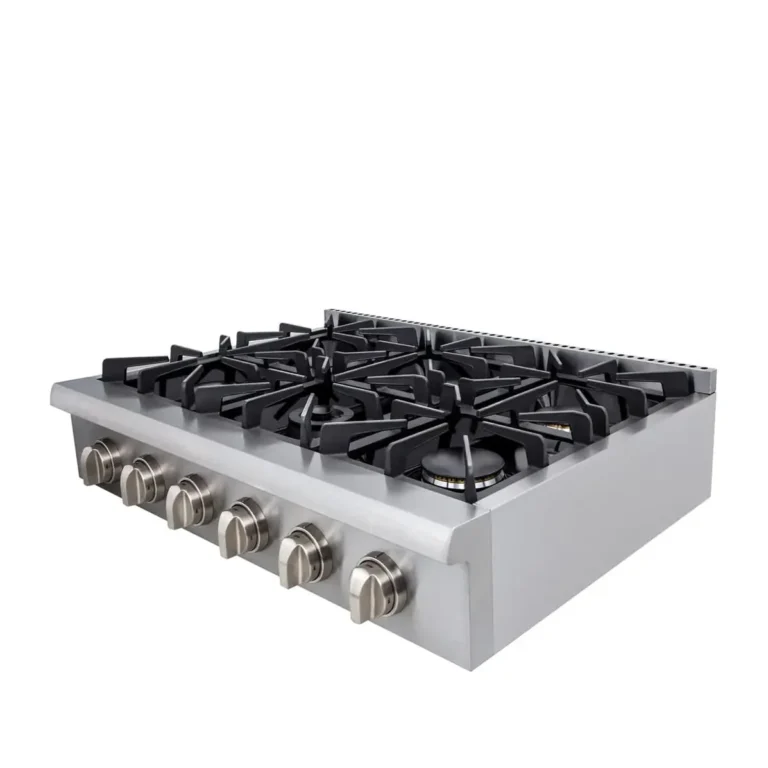
During the Canadian summer season, commercial kitchens, hospitality facilities, and food service operations often experience increased demand as outdoor events, tourism activities, and community gatherings become more frequent. A reliable cooking system plays an important role in maintaining efficient food preparation while meeting safety requirements. A gas range cooktop remains a widely used solution because it provides direct heat control, fast response, and flexibility for different cooking methods.
For equipment managers and operators, understanding how a gas range cooktop works, how to maintain it, and how to use it safely is essential for improving kitchen performance and reducing operational risks.
Table of Contents
Technical Overview of Gas Range Cooktop Systems
A gas range cooktop uses fuel combustion to generate heat through burners positioned below cooking surfaces. When gas mixes with air and ignites, the flame transfers thermal energy directly to cookware. This direct heating method allows operators to adjust temperatures quickly compared with some electric cooking systems.
Modern gas cooking equipment commonly includes multiple burner configurations designed for different applications. Typical uses include:
- High heat cooking for boiling, frying, and searing.
- Lower temperature cooking for simmering and sauce preparation.
- Continuous food preparation in commercial and institutional kitchens.
A six burner gas range cooktop, for example, allows operators to manage several cooking tasks simultaneously, which can improve workflow organization during busy periods.
Efficiency, Safety, and Productivity Considerations
Cooking efficiency depends not only on heating power but also on temperature control, operator skill, and equipment condition. Gas systems provide immediate flame adjustment, allowing kitchen staff to respond quickly when changing between cooking stages.
In restaurants, cafeterias, and food preparation facilities, proper equipment selection can influence labor efficiency. Operators can prepare multiple dishes at the same time while reducing unnecessary waiting periods.
Safety is equally important. Gas appliances require proper installation, ventilation, and regular inspection because fuel combustion involves open flames and gas connections.
Technical Foundations and Performance Factors
The performance of a gas range cooktop depends on several technical factors, including burner design, fuel type, airflow, and maintenance practices. Proper combustion requires an appropriate balance between gas supply and oxygen availability.
Important performance considerations include:
- Correct fuel compatibility and professional installation.
- Clean burners to maintain stable flame patterns.
- Proper ventilation to remove combustion byproducts.
- Regular inspection of valves, connections, and controls.
For example, a commercial kitchen operating during peak summer months may experience higher usage levels. Routine cleaning and inspection help maintain consistent performance when equipment demand increases.
Safety Practices and Equipment Types
Safe operation requires trained personnel and established maintenance procedures. Operators should check for unusual odors, irregular flames, or damaged components before use. Any suspected gas leak should be addressed immediately according to facility safety procedures.
Common equipment categories related to gas cooking include:
- Gas range cooktops for professional food preparation.
- Portable cooking units for temporary operations.
- Commercial kitchen ventilation systems.
- Cooking accessories designed for different cookware types.
The main advantage of gas cooking equipment is responsive heat control and operational flexibility. However, it requires more attention to ventilation, fuel management, and safety inspections compared with some alternative cooking technologies.
Conclusion: Future Trends in Gas Cooking Technology
Gas range cooktops continue to serve important roles in professional kitchens because of their practical heating characteristics and adaptability. Future developments are expected to focus on improved energy efficiency, safer ignition systems, better monitoring technology, and integration with modern kitchen management practices.
For equipment managers and operators, understanding the principles behind gas cooking technology helps ensure safer operation, better productivity, and longer equipment service life.


