

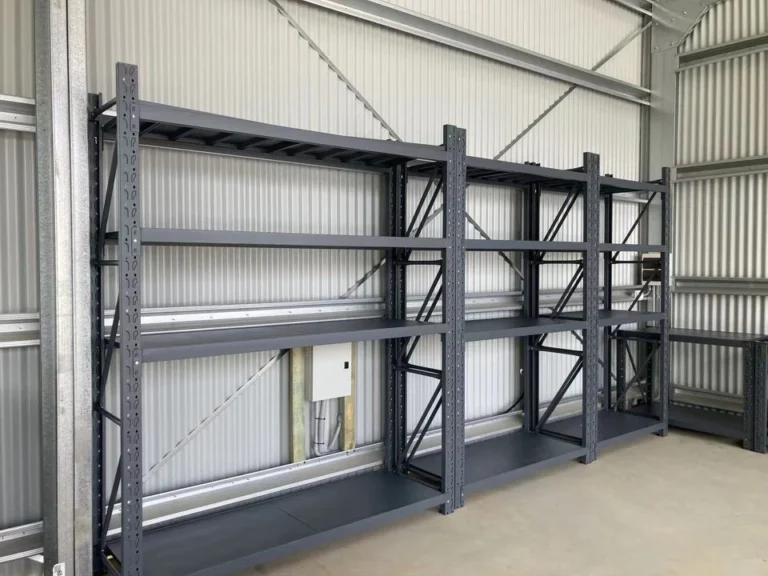
Designing storage systems for industrial facilities is rarely a matter of filling empty space. Storage decisions shape how materials move, how safely people work, and how resilient operations remain under pressure. In manufacturing plants, warehouses, and distribution centers, storage systems are exposed to continuous loads, repeated mechanical interaction, and evolving operational demands. Mistakes made at the design stage tend to surface later as safety risks, inefficiencies, or costly retrofits.
As facilities grow more complex and compliance requirements tighten, storage design increasingly sits at the intersection of engineering, operations, and risk management. Steel-based systems intended for heavy-duty use are often chosen not because they are common, but because they offer predictable performance in environments where failure is not an option. Before committing to a storage layout, industrial teams need a clear understanding of how these systems behave in real operating conditions.
Table of Contents
How Heavy Duty Steel Storage Is Used in Industrial Design
A heavy duty steel storage guide starts with understanding how these systems function within industrial facilities rather than viewing them as standalone equipment. Heavy-duty steel storage refers to engineered storage systems designed to carry sustained high loads, support frequent access, and maintain structural integrity over long service lives.
In practice, these systems store raw materials, work-in-progress inventory, tooling, and finished goods that are too heavy or critical for light-duty alternatives. They are designed to integrate with forklifts, pallet jacks, conveyors, and automated handling systems. Load paths, anchoring methods, and structural connections are defined deliberately so that weight is distributed safely and consistently across the system and into the building structure where required.
Why Storage Design Is an Engineering Decision
In industrial environments, storage systems behave as structural elements. They experience static loads from stored materials and dynamic loads from handling equipment and operator interaction. Treating storage as a procurement-only decision often leads to underspecified systems that struggle under real operating conditions.
From a design perspective, storage systems must account for:
- Sustained weight over long periods
- Uneven or partial loading
- Impact and vibration from material handling
Steel-based systems are selected because their behavior under these conditions is predictable and well understood, which allows engineers and planners to design around known limits rather than assumptions.
Understanding Load Behavior Before Layout Planning
Load behavior is one of the most critical considerations in storage design. Industrial loads are rarely uniform. Pallets may vary in weight, items may be stored off-center, and access patterns change over time.
Designing storage without understanding load behavior can result in:
- Overstressed components
- Progressive misalignment
- Reduced usable capacity
Heavy-duty steel storage systems are designed with these realities in mind, allowing facilities to plan layouts that remain safe and functional even when loading conditions are less than ideal.
Vertical Space Utilization and Structural Limits
As facilities attempt to increase capacity without expanding footprint, vertical storage becomes more attractive. However, vertical expansion introduces additional structural considerations related to load transfer, stability, and access.
Steel storage systems support vertical utilization by:
- Maintaining stiffness under height-related loads
- Supporting defined anchoring and bracing strategies
- Allowing controlled stacking without excessive deflection
Effective use of vertical space depends on storage systems that can handle both weight and height without introducing instability.
Integrating Storage With Material Handling Equipment
Storage design must align with the equipment used to access it. Forklifts, reach trucks, conveyors, and automated systems impose specific requirements related to aisle width, clearance, and load positioning.
Well-designed steel storage systems:
- Support consistent aisle geometry
- Align with equipment operating envelopes
- Reduce collision risk at rack interfaces
When storage and handling equipment are designed together, facilities avoid inefficiencies that emerge from mismatched systems.
Designing for Repeated Mechanical Interaction
Industrial storage is accessed continuously. Over time, repeated loading, unloading, and incidental contact introduce wear that weaker materials cannot tolerate. Systems that deform gradually often fail without clear warning.
Steel systems are chosen because they:
- Resist deformation under repeated stress
- Maintain alignment despite vibration and contact
- Support predictable inspection and maintenance
Designing for repeated interaction reduces the likelihood of unexpected failure during normal operations.
Safety and Compliance Considerations in Storage Design
Industrial facilities operate under safety regulations and internal standards that govern load handling and storage practices. Storage systems must support compliance rather than requiring special exceptions or workarounds.
Heavy-duty steel storage supports compliance by:
- Providing defined load ratings
- Supporting anchoring and bracing requirements
- Allowing consistent inspection procedures
Embedding compliance considerations into design reduces regulatory risk and simplifies safety management over time.
Planning for Load Variability and Change
Few facilities maintain the same inventory profile indefinitely. Product lines evolve, order volumes fluctuate, and storage density requirements change. Storage systems must tolerate this variability without compromising safety.
Steel storage systems are often designed to:
- Handle shifts in load distribution
- Support reconfiguration without structural modification
- Maintain performance across different operating scenarios
Designing for variability protects facilities from being locked into outdated layouts.
Storage Layout and Workflow Efficiency
Storage design directly affects how materials move through a facility. Poor layouts increase travel distances, manual handling, and congestion, which compounds inefficiency as volumes grow.
Effective storage layouts supported by steel systems:
- Create clear material flow paths
- Reduce unnecessary repositioning
- Support predictable picking and replenishment
Efficiency gains achieved through thoughtful storage design are sustained rather than temporary.
Maintenance, Inspection, and Long-Term Reliability
All industrial systems require inspection, but the burden of maintenance varies widely based on design quality. Storage systems that loosen, bend, or shift under load require constant attention.
Heavy-duty steel storage reduces maintenance burden by:
- Maintaining geometry over time
- Allowing visual inspection of critical components
- Minimizing corrective reinforcement
Designing for long-term reliability lowers total operational effort rather than just initial cost.
Environmental Conditions and Material Performance
Industrial environments expose storage systems to dust, moisture, temperature variation, and, in some cases, chemical exposure. These factors accelerate degradation in unsuitable materials.
Steel storage systems are selected for their ability to:
- Maintain structural properties under environmental stress
- Resist wear when properly treated
- Deliver consistent performance across facility conditions
Environmental resilience is a core design consideration rather than an afterthought.
Inventory Visibility and Control at Scale
Storage systems influence how easily inventory can be tracked and managed. Deformation or misalignment undermines labeling, scanning, and location accuracy.
Consistent steel storage supports:
- Reliable positioning of inventory locations
- Accurate use of scanning systems
- Reduced picking and replenishment errors
Design decisions at the storage level directly affect inventory accuracy across operations.
Structural Principles Behind Steel Storage Systems
Steel’s widespread use in load-bearing systems is rooted in its predictable mechanical properties. General explanations of why steel performs well in structural applications, such as those provided by the American Institute of Steel Construction, help explain its role in industrial storage design.
In storage systems, these principles translate into defined load paths, controlled deflection, and repeatable performance under stress.
Designing Storage With Automation in Mind
As facilities introduce automation, storage systems must accommodate new equipment and operating patterns. Steel storage systems are often chosen because they can integrate with conveyors, shuttles, and automated retrieval systems.
Designing with automation in mind supports:
- Gradual adoption of mechanized systems
- Reduced retrofit complexity
- Preservation of existing storage investment
Future-readiness is increasingly a design requirement rather than an optional benefit.
Procurement and Lifecycle Thinking
From a procurement perspective, storage systems should be evaluated on lifecycle performance rather than initial price. Systems that require early replacement or frequent repair introduce hidden costs that compound over time.
Heavy-duty steel storage supports lifecycle efficiency by:
- Extending service life
- Reducing unplanned downtime
- Protecting stored materials from damage
Designing storage as a long-term asset changes how value is assessed.
When Storage Becomes Facility Infrastructure
At scale, storage systems function as part of the building itself. They influence safety outcomes, workflow stability, and expansion capacity for years after installation.
Steel storage earns this role by offering:
- Structural reliability
- Operational consistency
- Adaptability to change
Design decisions at this level shape facility performance long after the initial project is complete.
Conclusion: Designing Storage Systems With Intent
Industrial storage design is not about filling space; it is about creating systems that perform predictably under load, adapt to operational change, and support compliance without constant intervention. Decisions made before installation determine whether storage becomes a stable foundation or a recurring source of risk.
This heavy duty steel storage guide highlights why engineered steel systems are often central to effective storage design in industrial facilities. By understanding load behavior, integration requirements, and long-term performance considerations, organizations can design storage systems that support safe operations and sustainable growth. In high-demand environments, thoughtful storage design is not optional—it is essential.


