

The increasing awareness about going green has gained momentum ever since. More and more companies are transitioning towards sustainable practices. A ductless commercial air conditioning system is one of these practices. These systems provide an up-to-date cooling solution that caters to green building and energy efficiency requirements. In this article, we will look at these systems and how they fit into the environmental approach to building.
Table of Contents
Understanding Ductless Systems
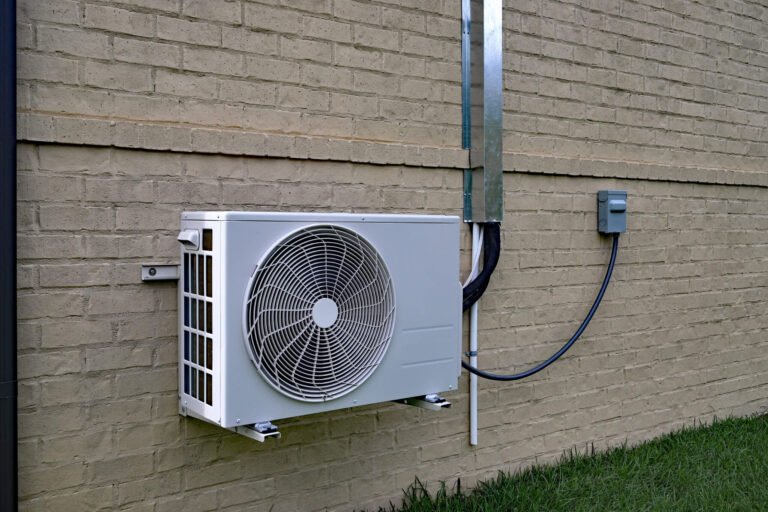
Ductless air conditioning systems, or mini-splits, include an outside unit and one or more inside units. Unlike traditional systems, no extensive ductwork is required. This feature allows them to be used in almost all types of commercial ductless mini split systems spaces. Without ducts, these systems help limit energy loss (which, in ducted systems, often comes from leaks or insulation problems).
Energy Efficiency Benefits
A crucial element of this compatibility is the efficiency of ductless systems. Duct leakage can cause traditional HVAC systems to waste a lot of energy. Ductless alternatives go directly to separate zones, so there’s less waste. Most ductless systems have inverter-driven compressors as well. This type of compressor controls the speed according to the required value, hence helping reduce energy consumption during low demand.
Part of Green Building Ratings
Green building guidelines are intended to reduce environmental impact and improve the quality of the activity. Ductless systems play a major part in these. In addition, they help minimize a building’s carbon footprint by using less energy. Their capacity to manage temperature in separate areas enhances comfort for occupants only. The zoned control makes sure that energy is not wasted, keeping only the occupied spaces cool.
Installation and Maintenance Advantages
Ductless systems are often easier to install than traditional systems. Installation is faster and requires less disruption because no ducts are needed. This also makes it relatively cheaper with regard to labour. Maintenance is also overall very simple. Basic maintenance, like cleaning filters and checking refrigerant levels, is simple to handle. Their minimal maintenance also contributes to aligning with energy management objectives.
Cost Considerations
And the up-front price for ductless systems may be somewhat higher than for conventional alternatives. This is an added expense, but it can save you money in the long run. The savings also come from paying lower energy bills and maintenance expenses. And in some areas, there are rebates or other incentives for installing energy-efficient systems. This type of financial incentive can make ductless systems particularly appealing to businesses that want to go green.
Indoor Air Quality Improvement
Ductless systems also improve indoor air quality. Ducts have nooks and crannies, and the filter system itself is useless if there is no clean air to circulate the house — it’s easy for traditional ductwork to be a source of dust, dirt, and allergens. And without ducts, that potential for such accumulation goes down. Note: Most ductless systems have advanced filtration. These filters trap harmful substances, which help create cleaner outgoing air for occupants. Better indoor air quality meets green building standards and contributes to a healthier workplace.
Flexibility and Scalability
Ductless systems can work in a wide range of commercial spaces because of their versatility and scalability. These systems can be customized to address everything from a small office to a larger retail outlet. This allows businesses to add indoor units as needed for scalability and efficiency. Sustainable building practices focus on using resources more efficiently; this flexibility fits into that paradigm.
Environmental Impact Reduction
Sustainable practices primarily aim to lessen our impact on the environment. Ductless systems help make this happen in several different ways. By being energy efficient, they help to lower greenhouse gas emissions. Some systems also use refrigerants with low global warming potential. This decision reduces their carbon footprint even more. Businesses can commit to sustainability by selecting ductless systems.
Conclusion
For businesses that hope to meet the needs and standards for green buildings and energy efficiency, ductless commercial air conditioning systems are an excellent choice. Their energy efficient, easy to install, and good for indoor air quality nature making it one of the best. Though upfront costs tend to be higher than traditional patching for buildings, the long-term benefits usually outweigh the cost. Ductless systems are, therefore, the ideal system for businesses that remain conscious of their carbon footprint in their sustainability goals.


