

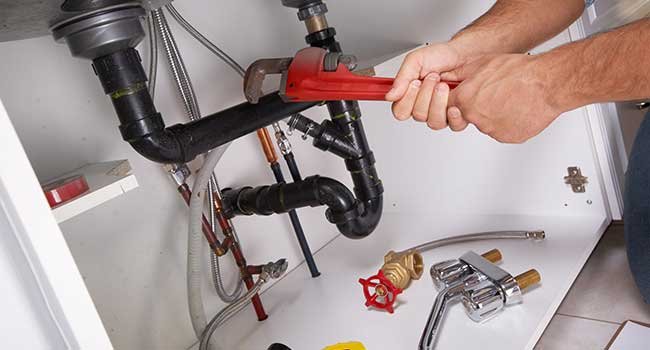
When a plumbing issue surfaces, the urgency to fix it can often lead homeowners to make hasty decisions in hiring a plumber. However, selecting a skilled and reliable professional is critical to ensure the job is done right. From leaky faucets to substantial pipe repairs, the expertise required can vary greatly, affecting homeowners’ satisfaction and financial peace of mind.
Ensuring a successful resolution to your plumbing problem means taking a measured approach to hiring a local plumber. Below, we delve into the crucial factors homeowners should consider to ensure they engage the right expert for their specific needs.
Table of Contents
Evaluating Local Plumber Credentials and Experience
First and foremost, verify the credentials of any plumber you consider hiring. A licensed professional is not only legally authorized to operate but also likely to maintain a standard of work that is compliant with local codes and regulations.
Experience also plays a pivotal role, as seasoned plumbers can diagnose problems more efficiently and suggest solutions based on a wealth of past encounters with similar issues. They are likely to foresee potential complications and prevent them before they occur. Additionally, some plumbers may hold specialized certifications for handling certain types of plumbing systems or technologies, which can be particularly beneficial for more complex projects.
Before deciding, ask for proof of licenses, insurance, and certifications. Not only does this give you confidence in their qualifications, but it also provides protection against potential damages or injuries that may occur on your property during the plumbing work. Consider the length and breadth of the plumber’s experience, particularly in relation to the specific issue you need to address. plumber near me can be a convenient search term to find local professionals.
Assessing the Scope of Plumbing Services Offered
When searching for a “plumber near me,” it’s important to understand the range of services they provide. Some plumbers specialize in certain areas, such as residential or commercial plumbing, while others might focus on emergency repairs or installation.
Alignment with your needs is essential; for instance, if you’re planning a complete bathroom renovation, ensure the plumber has experience with such large-scale projects. Conversely, for minor repairs or maintenance, a general plumber might suffice. It’s also worth considering if the service provider offers a guarantee on the workmanship, which could provide added assurance and value.
Investigate the specific services each plumber offers and whether they align with your current and potential future needs. If specialized work is required, such as boiler installation or water treatment systems, confirm that the plumber has the requisite expertise and a proven track record in these areas. Licensed plumbers should have a comprehensive list of services they can provide openly available to potential clients.
Understanding Pricing and Payment Structures for Plumbing Work
Understanding a plumber’s pricing structure is essential to avoid any unexpected expenses. Plumbers may charge by the hour or provide a flat rate for certain services, and it’s important to clarify this upfront.
Additional charges for travel, emergency call-outs, or after-hours work can significantly impact the final bill. Make sure to receive an itemized estimate that outlines all potential costs before agreeing to any work. Inquiring about payment options and schedules is also prudent to ensure they align with your financial situation.
Request clear estimates in writing before work commences and ask about any possible factors that might lead to additional charges as the project progresses. Furthermore, ensure you understand the payment expectations, whether it’s a deposit upfront or payment upon completion, and consider how this fits within your budget.
Checking Reviews and References Before Hiring a Plumber
Another critical step before hiring a plumber is to read through their reviews and ask for references. Customer feedback can provide valuable insights into the quality of work, reliability, and customer service the plumber provides.
Positive testimonials and high ratings can be reassuring, but also pay attention to how a plumber responds to any negative feedback. This can reveal their dedication to customer satisfaction and their approach to resolving issues. Contact references directly to inquire about their experience, specifically regarding the quality of work and whether it has stood the test of time.
Checking a plumber’s rating with the Better Business Bureau and verifying their status with local trade organizations can provide further confirmation of their reputation. Ask the plumber for references and don’t hesitate to reach out to those individuals to discuss their experiences and level of satisfaction with the services received.
Ultimately, selecting the right plumber is about thorough vetting and aligning their expertise with your needs. By evaluating credentials, assessing service scope, understanding pricing structures, and checking reviews, you can make an informed decision that ensures quality workmanship and value for money. Within these guidelines is the path to a trustworthy plumber who can address your plumbing challenges effectively and efficiently.


