

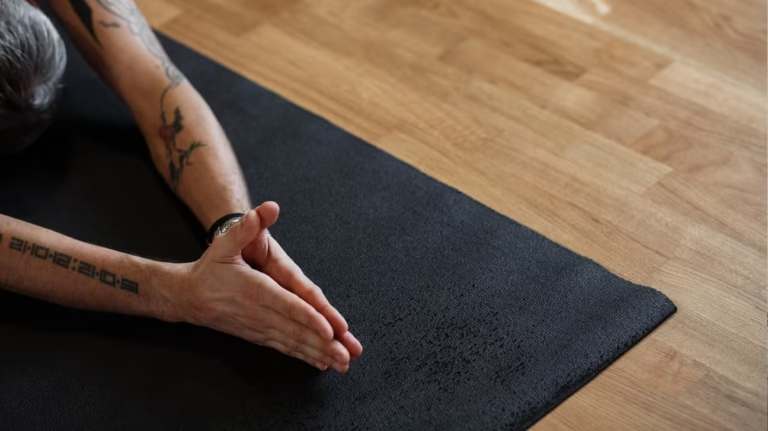
In our busy, modern world, many of us struggle with two things that go hand in hand: stress and poor sleep. We wake up sore, restless, or tired, scroll through our phones, and repeat the cycle again. It’s not unusual—especially when screens, deadlines, and constant notifications are part of daily life.
But what if a simple change to your sleep setup could help? Not by adding another complicated routine, but by introducing a subtle, passive tool that works while you rest? That’s where grounding mats come into the picture. These mats are designed to help your body stay connected to the earth’s natural electrical environment, even while indoors—something that many of us miss out on in day-to-day life.
Table of Contents
The Idea Behind Grounding (and Why It Matters)
To better understand grounding mats, it helps to think about how our bodies interact with the world. For most of human history, humans walked barefoot on grass, soil, or sand. Our feet were in direct contact with the earth’s surface, which has a near-constant electrical charge. Some researchers suggest that this connection influences the body in subtle ways, particularly in terms of inflammation, the stress response, and overall wellbeing.
A grounding mat provides a way to reconnect with that same electrical environment while you’re indoors—whether you’re working at your desk, relaxing in the evening, or sleeping at night.
While this concept may sound unusual at first, the idea of our bodies responding to electrical environments isn’t new. Heart monitors, electronic acupuncture tools, and even the way lightning storms can affect the human body all highlight how sensitive we are to electrical changes around us. What grounding mats aim to do is offer a gentle, ongoing point of contact that may support your natural rhythms.
Better Sleep Starts with a Calmer Nervous System
Sleep and stress are deeply connected. Stress hormones like cortisol rise when we’re alert or anxious, and for sleep to come naturally, those hormone levels need to be reduced at night. Many people try meditation, warm baths, or herbal teas to unwind—but a grounding mat works in the background, supporting your body’s physiology without requiring extra time or effort.
Studies show a close link between stress and the ability to fall asleep and stay asleep. Chronic stress keeps your nervous system in “alert mode,” making it harder to transition into deeper sleep stages. The nervous system is like a car’s accelerator and brake—when it’s constantly revving, it’s hard to slow down.
Grounding, in practice, is thought to potentially support a calmer nervous system at night. It’s similar to how people sleep better in quiet, dark rooms than in bright, noisy ones: environment matters. Just as a blackout curtain blocks light for better rest, a grounding mat may help the body establish its natural signals for relaxation.
If you imagine a thermostat that needs to adjust the temperature of a room, your body’s internal signals work the same way for rest. When your biology senses calm, sleep happens more naturally.
Everyday Stress Relief—Without Extra Time or Effort
One of the reasons grounding mats gain attention is that they don’t require adding a full “to-do” list item to your day. You don’t need to meditate for 30 minutes or follow a strict evening routine. You simply integrate the mat into your existing space—on your bed, under your desk, or wherever you relax.
This hands-off approach is appealing for many people who already feel stretched thin by work, family life, or social commitments. Remember how noise-cancelling headphones work? You don’t need to focus on blocking sound—they simply create a calmer listening environment. A grounding mat works similarly: it provides a steady point of contact that may support relaxation without demand.
You can think of it like building better habits by adjusting your environment. People who place fruit on the kitchen counter are more likely to eat it. Those who keep a reusable water bottle on their desk drink more water. These small environmental adjustments make healthier choices easier—just as grounding mats aim to support calm and sleep without extra effort.
Later in your research on tools that support restful sleep and a calmer daily routine, many people choose to buy now to see how it fits into their own wellness approach.
Realistic Expectations and Everyday Use
It’s important to approach grounding with realistic expectations. It’s not a cure-all, and it’s not a replacement for medical treatment when needed. Rather, consider it a supportive tool—much like comfortable bedding, a good mattress, or a calming evening routine.
Some people report subtle improvements in how quickly they fall asleep, how refreshed they feel in the morning, or how calm they feel during high-stress moments. Others notice the benefit mainly during restful activities, such as reading or meditation.
Whether your interest lies in sleep quality, stress reduction, or overall biological balance, grounding mats align with a broader trend toward tools that gently and consistently support wellness. Just as people invest in ergonomic chairs to protect posture or blue-light glasses to reduce screen strain, grounding mats offer another layer of thoughtful support.
Studies on circadian rhythms and the body’s natural sleep-wake cycle show how our physiology responds to environmental cues such as light, temperature, and routine. Integrating tools that prioritise comfort and calm can make a meaningful difference over time.
The Bigger Picture: Wellness That Fits Your Life
What makes grounding mats particularly interesting is their compatibility with everyday life. They don’t require new habits—just a subtle shift in your environment. In a world filled with complex wellness trends and expensive gadgets, this simplicity is one of grounding’s strongest appeals.
Think about common strategies for reducing stress: taking a walk, listening to music, and talking with friends. These are all simple, consistent habits that build resilience over time. A grounding mat fits into that same idea: small, consistent support that works with how you already live.
Plus, as individuals explore wellness trends from sleep trackers to therapeutic lighting, combining tools can create a more holistic approach. Just as fitness trainers recommend changes in exercise, diet, and rest together, integrating supportive tools into your environment may reinforce positive cycles rather than isolate them.
Final Thoughts
A grounding mat can be an inviting, accessible way to support better sleep and stress relief. It doesn’t require drastic changes or complicated routines—just an intentional point of contact that works in the background while you rest or relax.
Whether you’re seeking deeper sleep, calmer evenings, or another layer of support on your wellness journey, grounding provides a simple yet thoughtful tool. When paired with mindful habits and a focus on balance, it becomes part of a lifestyle that values comfort, health, and restfulness.
That quiet support—built into the everyday spaces where you sleep, work, and unwind—may be exactly what helps you feel more grounded, more rested, and more at ease with the rhythm of your day.


