

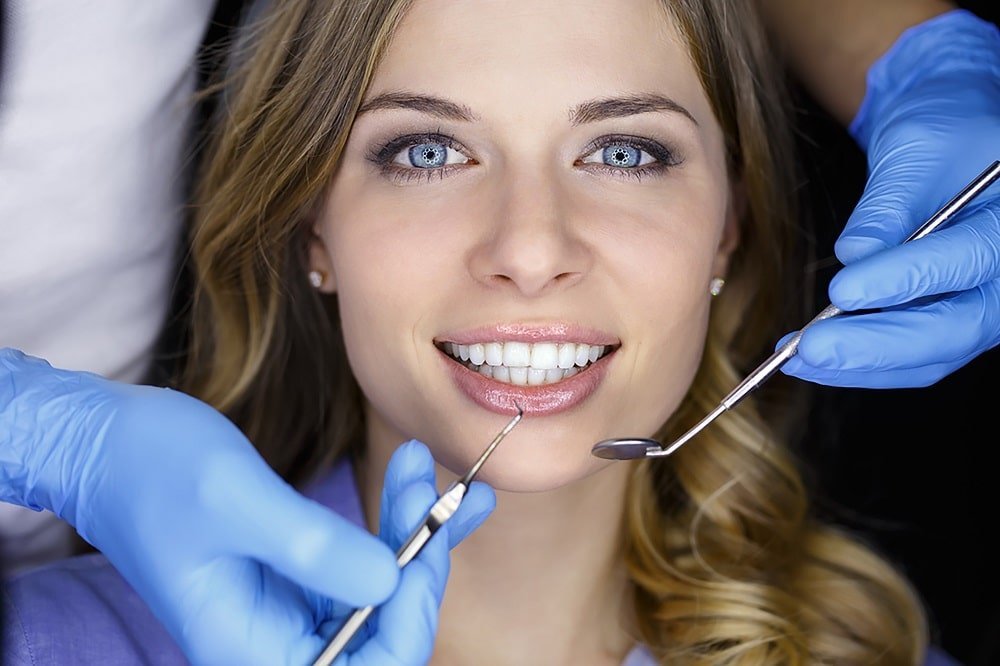
Shorter visits in the chair matter to you. They protect your energy, your schedule, and your trust. New tools and methods in general dentistry are cutting treatment time in clear ways. You see fewer shots, fewer repeat visits, and less time with your mouth open. A Beaverton dentist now uses digital scans instead of sticky molds. You bite once, and the computer builds a clear 3D picture of your teeth. Then the office can shape crowns and fillings in one visit instead of two or three. New curing lights harden fillings fast. New numbing methods work quickly and fade on time. Each change seems small. Together they shrink treatment from hours to minutes. This blog explains how these advances work, what you can expect at your next visit, and how you can use this progress to protect your teeth with less strain on your life.
Table of Contents
Why Faster Treatment Matters To You And Your Family
Shorter dental visits do more than save time. They reduce stress for you and your family. They also lower the risk that you will delay care.
When treatment time shrinks, three things happen.
- You miss fewer hours from work or school.
- Your body feels less soreness and fatigue.
- Your fear of long visits starts to fade.
Research from the Centers for Disease Control and Prevention shows that many adults skip visits. Time pressure is one strong reason. Faster care helps remove that barrier.
Digital X Rays And Imaging
Old film X-rays took time to place, expose, and develop. New digital X-rays use sensors that capture images in seconds. The picture appears on a screen right away.
This change brings three clear gains.
- Less time waiting for images to develop.
- Fewer retakes because the image quality is sharp.
- Easy sharing with other providers when you need a second opinion.
The American Dental Association supports digital imaging for many routine checks. You get faster answers about cavities, bone loss, and infections. That speed shortens both diagnosis and treatment.
Intraoral Scanners Replacing Sticky Molds
Traditional molds needed trays, thick paste, and long gag-filled minutes. Intraoral scanners use a small camera that moves along your teeth. The device captures thousands of images and builds a 3D model.
You benefit in three ways.
- Shorter time in the chair while the scan runs.
- No messy paste and less gagging.
- Fewer remakes because the digital model is precise.
That model guides crowns, bridges, and clear aligners. Many offices send the file to an in-house machine that shapes the tooth replacement on the same day.
Same Day Crowns And Restorations
Old crown treatment often needed two or three visits. First visit for shaping and a temporary crown. Second visit for placing the final crown. Extra visits if the fit was off.
Now, some offices use chairside milling. The digital scan feeds a small mill that shapes a custom crown or onlay while you wait.
Traditional Crown Visit Compared To Same Day Crown
| Step | Traditional Crown | Same Day Crown |
|---|---|---|
| Number of visits | 2 to 3 | 1 |
| Time in chair per visit | 60 to 90 minutes | 90 to 120 minutes |
| Time wearing a temporary crown | 1 to 3 weeks | None |
| Total time away from work or school | Several half days | One block of time |
One longer visit often feels easier than several shorter ones. You leave with a finished tooth and no need to return for cementing or adjustments in many cases.
Faster Fillings With Modern Materials
New tooth colored filling materials cure under strong blue lights. The light hardens layers in seconds. Older materials needed longer set times and more shaping.
Today you see three changes.
- More conservative drilling that keeps healthy tooth parts.
- Shorter curing time for each layer of filling.
- Less polishing and reshaping at the end.
This saves minutes on each filling. It also keeps your jaw from getting tired. Children feel the difference strongly because their attention spans are short and their mouths get stiff fast.
Quicker And Gentler Numbing
Numbing used to mean long waits for the shot to work. It also lingered for hours after you left. New local numbing methods and devices target the tooth more directly.
You get three gains.
- Faster onset, so treatment starts sooner.
- More focused numbness so your whole face does not sag.
- Shorter wear-off time so you can eat and speak sooner.
Some offices use vibration tools or computer-guided injections. These spread the medicine in a steady way. Many patients feel less sting and less fear, which keeps treatment moving.
Streamlined Visits Through Better Planning
Technology is only part of the time savings. Careful planning trims minutes from every visit.
You may see three changes at check-in.
- Online forms before your visit, so you avoid clipboards.
- Text reminders with clear instructions so you arrive ready.
- Grouped treatment so the dentist fixes several teeth in one sitting.
Better planning also means fewer surprises. When the office knows your health history and goals in advance, they build a clear plan that uses your time well.
How You Can Help Shorten Your Own Treatment Time
You can play a strong role in keeping visits short and smooth. Three habits matter.
- Keep regular checkups so small problems stay small.
- Follow home care instructions to avoid repeat work.
- Share your fears early so the team can adjust the plan.
Good brushing and flossing do more than protect teeth. They also reduce the need for long cleanings and complex fixes. That means less time in the chair for you and your children.
Looking Ahead To Your Next Appointment
Dental visits may never feel fun. They can feel shorter, calmer, and more respectful of your time. Digital tools, same-day crowns, faster fillings, and smarter numbing now cut treatment time in clear steps.
At your next checkup, you can ask three simple questions.
- Do you use digital X-rays and scanners?
- Can you complete crowns or other restorations in one visit?
- What do you do to help shorten and soften treatment for patients like me?
These questions show that your time matters. They also open a direct talk about what your dentist can offer. With the right tools and planning, you can protect your teeth and still keep your day on track.