

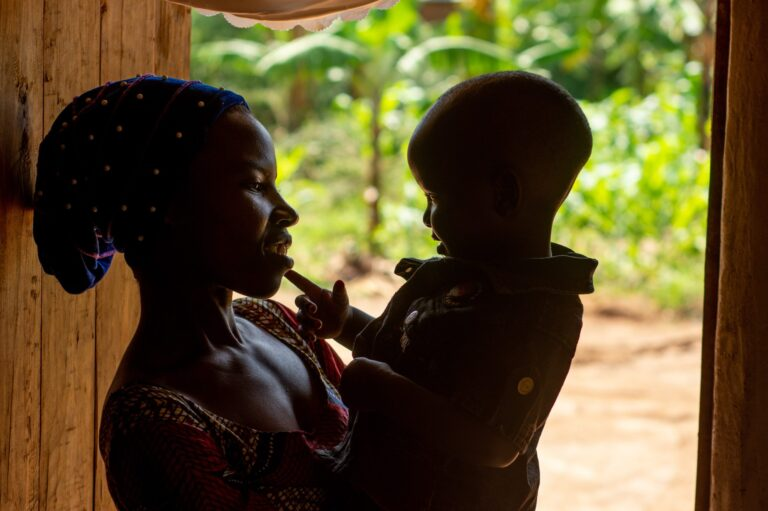
In many parts of the world, war doesn’t just disrupt daily life, it quietly reshapes childhood itself. School becomes irregular. Healthcare is something families try to access when they can. Even simple routines begin to disappear over time.
What makes this more difficult is not just the disruption, but how long it lasts. For many children, these conditions are not temporary. They stretch across years, affecting how they learn, grow, and imagine what comes next.
That gap shows up clearly in education. According to UNESCO, around 244 million children and youth globally are out of school, with many of them living in fragile or conflict-affected settings.
In this context, child protection efforts and child sponsorship USA programs take a different approach. Instead of short bursts of support, they focus on continuity, something steady enough to build on, even when everything else feels uncertain.
These are the 6 key ways child sponsorship programs are creating lasting change for children living in war-affected regions.
Table of Contents
1. Keeping Children Connected to Education During Conflict
When conflict interrupts education, it rarely pauses neatly. Schools close, then reopen, then close again. Teachers leave. Children miss weeks, then months.
At some point, many simply stop going.
Through child sponsorship USA, support is built around keeping children connected to learning in whatever way possible. It might not always look like a traditional classroom. Sometimes it’s structured community learning. Sometimes it’s access to materials that allow children to continue at home or in temporary spaces.
That continuity matters more than it seems. When learning stops entirely, returning becomes harder. But when there’s even a small thread connecting children to education, they are far more likely to continue later.
This is where education support for war-affected children becomes essential. It keeps that connection alive, even in unstable conditions.
2. Providing Early Healthcare and Nutrition Support
In unstable environments, healthcare is often delayed rather than absent. Families wait, sometimes because travel is unsafe, sometimes because resources are limited.
The result is predictable. Minor issues build up. Conditions that could have been treated early become more serious.
Sponsorship programs help reduce that delay. They support access to basic care, nutrition, and regular check-ins. These are not complex interventions, but they are consistent, and that consistency changes outcomes.
The World Bank notes that nearly 40% of people living in extreme poverty are in fragile and conflict-affected settings, highlighting the broader challenges children face in accessing consistent healthcare and nutrition.
When support is steady, those risks can be addressed earlier. Over time, children are not just healthier, they are more able to participate in school and daily life without constant setbacks.
3. Creating Stability Through Consistent Support
One of the less obvious impacts of sponsorship is stability.
In many crisis settings, support comes and goes. It responds to immediate needs, then shifts elsewhere. For children, that can feel inconsistent.
Sponsorship is different because it continues. Not perfectly, but regularly enough to become something children and families can rely on.
That reliability does something subtle. It reduces uncertainty, even if only slightly. Families begin to plan around it. Children begin to expect it.
And over time, that expectation becomes a form of stability, something that anchors daily life when other things cannot.
4. Supporting Children’s Emotional Recovery
Not all impacts of conflict are visible. Some children become quieter. Others struggle to focus. Some carry fear in ways that are not immediately obvious.
Support in this area doesn’t happen all at once. It builds gradually.
Sponsorship programs often create environments where children can spend time in structured, safer settings. This might include group activities, peer interaction, or simply being in a space where they are not under constant stress.
There is no single turning point. But over time, children begin to engage more. They participate, speak, and respond differently.
That shift is often small at first, but it plays a significant role in how they continue learning and interacting with others.
5. Supporting Long-Term Growth and Opportunities
In many conflict-affected areas, children grow up focusing only on immediate needs. Long-term planning becomes difficult when daily life is uncertain.
Programs designed to sponsor a child in need gradually shift that perspective. They keep children connected to learning, help build skills, and introduce the idea that progress can continue over time.
This doesn’t happen quickly. But it builds.
A child who continues learning begins to think about the next step. Then the one after that. Over time, those steps start to form a path, even if it is not always clear.
6. Strengthening Families and Community Support Systems
Sponsorship may focus on individual children, but its effects rarely stay limited to one person.
When one child receives consistent support, it changes how a household functions. Resources stretch further. Decisions become less reactive.
Many charity child sponsorship programs also work alongside local systems, strengthening access to education, healthcare, and community services.
As those systems improve, the impact spreads. Children benefit not just individually, but within a more stable environment that supports their progress.
Closing Thoughts
Child sponsorship does not remove the reality of conflict. That remains.
What it does is introduce something steady within it.
Not dramatic change, not overnight transformation, but something more gradual. A way for children to keep going. A way to stay connected to learning, to health, to some sense of continuity.
And over time, that consistency begins to matter.


