

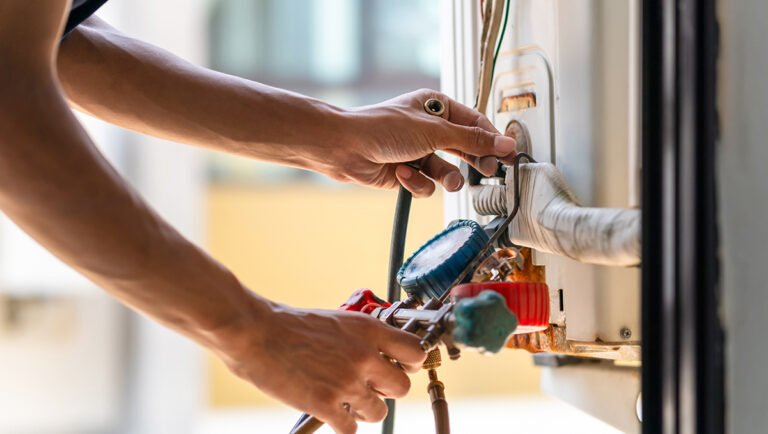
We will explore the growing role of smart controls in modern heating systems and how contractors implement these technologies to improve comfort, energy efficiency, and system reliability. Integrating smart controls allows homeowners and businesses to manage their heating systems with precision, often remotely through apps or automated schedules. Contractors approach this integration by evaluating the existing heating infrastructure, assessing the client’s specific comfort needs, and selecting compatible smart devices.
The process involves a careful combination of hardware installation, software setup, and system calibration. Beyond simple temperature adjustment, smart controls can monitor energy consumption, detect system malfunctions, and even learn household habits to optimize heating cycles. As demand for intelligent climate control increases, contractors play a key role in ensuring these technologies function seamlessly and provide long-term benefits.
Smart Control Integration Strategies
- Assessment and System Compatibility
Contractors begin by conducting a comprehensive evaluation of the current heating system to determine its compatibility with smart controls. Older furnaces, boilers, and heat pumps may require additional modules or wiring to communicate with smart thermostats or home automation systems. Heating contractor inspects ductwork, wiring, and control panels to ensure that integration will not compromise system performance. They also assess the property’s layout and insulation, which influence how smart systems distribute heat efficiently. By understanding the building’s specific needs, contractors can recommend devices that maximize comfort while minimizing energy waste. This step prevents installation errors and ensures that smart controls function optimally within the existing system framework. Accurate assessment is crucial for preventing future malfunctions and enabling seamless communication between devices and the central heating system.
- Device Selection and Installation
Once the assessment is complete, contractors select appropriate smart thermostats, sensors, and controllers that align with the system’s requirements and the client’s usage patterns. Devices often include programmable thermostats, zone controllers, and remote monitoring units that connect to Wi-Fi or smart home networks. Installation involves carefully placing sensors to accurately capture temperature variations and system activity. Contractors ensure devices are securely wired, if necessary, or correctly paired through wireless protocols. Proper installation is essential for preventing false readings, system errors, or connectivity issues. Many smart controls include mobile apps that let users monitor and adjust heating remotely. Contractors guide clients on setup and demonstrate how to use these features to enhance daily comfort and efficiency.
- System Integration and Calibration
After devices are installed, contractors focus on integrating them with the heating system’s operational logic. This includes programming schedules, setting temperature thresholds, and linking smart controls to existing HVAC components. Calibration ensures that each component responds accurately to commands and environmental changes. For multi-zone heating, contractors adjust individual zones to maintain consistent comfort levels while optimizing energy use. Some systems include learning capabilities that adapt to occupant behavior; contractors configure these features to prevent unnecessary heating cycles. Integration also involves testing connectivity with mobile apps and home automation platforms. Proper calibration guarantees that the smart control system not only regulates temperature but also detects potential issues, such as unusual energy spikes or component failure.
- Energy Monitoring and Optimization
A significant advantage of smart controls is their ability to monitor and optimize energy consumption. Contractors often set up analytics dashboards that track heating patterns, energy usage, and efficiency metrics. This information allows homeowners to make informed decisions about thermostat settings and system usage. Advanced controls can automatically adjust heating schedules based on occupancy, weather forecasts, or historical data. Contractors configure these features to balance comfort and energy savings. By integrating real-time monitoring, contractors help clients identify inefficiencies, such as heat loss from poorly insulated areas or unnecessary system runtimes. This ongoing optimization ensures the heating system operates efficiently, reducing utility costs while maintaining consistent indoor comfort.
- Maintenance and Troubleshooting Support
Smart controls can significantly enhance system maintenance and troubleshooting. Contractors provide clients with guidance on monitoring alerts and interpreting system notifications. Many smart systems can detect anomalies such as sensor failures, blocked vents, or irregular heating cycles. Contractors often establish maintenance protocols that leverage these insights to enable proactive interventions before minor issues escalate. For instance, a smart thermostat may alert the user or contractor to a malfunctioning zone valve, allowing for timely repairs. Additionally, contractors may offer remote diagnostic support, analyzing system performance data to suggest adjustments or schedule in-person servicing. This proactive approach minimizes downtime and extends the heating system’s lifespan, underscoring the long-term value of integrating smart technologies.
- Client Education and User Experience
Successful integration of smart controls depends not only on technical installation but also on client education. Contractors provide hands-on demonstrations and training to ensure users understand system functionality, app navigation, and programming options. Clients are shown how to customize schedules, adjust comfort zones, and interpret energy reports. Education includes troubleshooting guidance, helping users recognize alerts, and responding appropriately. By empowering clients, contractors enhance user satisfaction and encourage consistent utilization of the smart features. A well-informed client can maximize the benefits of energy efficiency, comfort, and system longevity, making the smart control investment more valuable. Clear communication and support ensure a seamless, intuitive transition to intelligent heating management.
Integrating smart controls into heating systems involves a structured process that combines assessment, device selection, installation, calibration, energy optimization, maintenance, client education, and future-proofing. Contractors play a pivotal role in ensuring these systems operate efficiently and deliver tangible benefits in comfort, convenience, and energy management. As homeowners and businesses seek more control over their indoor environments, the adoption of intelligent heating technologies continues to grow. By carefully managing every stage of the integration process, contractors help clients achieve a seamless, efficient, and adaptable heating experience. Smart controls are not merely a technological upgrade; they represent a strategic enhancement that transforms traditional heating into a dynamic, responsive, and user-focused system, reflecting the evolving standards of modern climate management.


